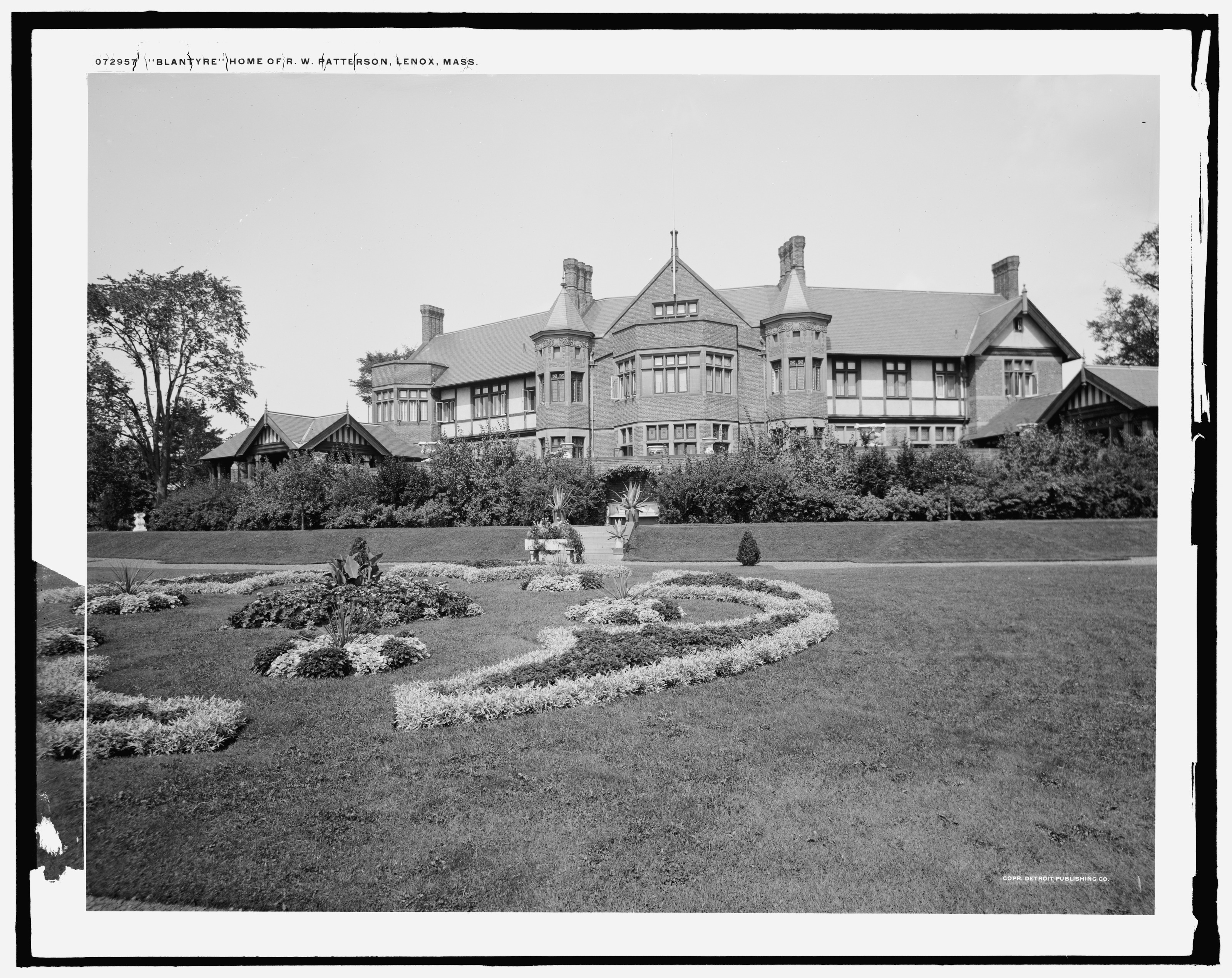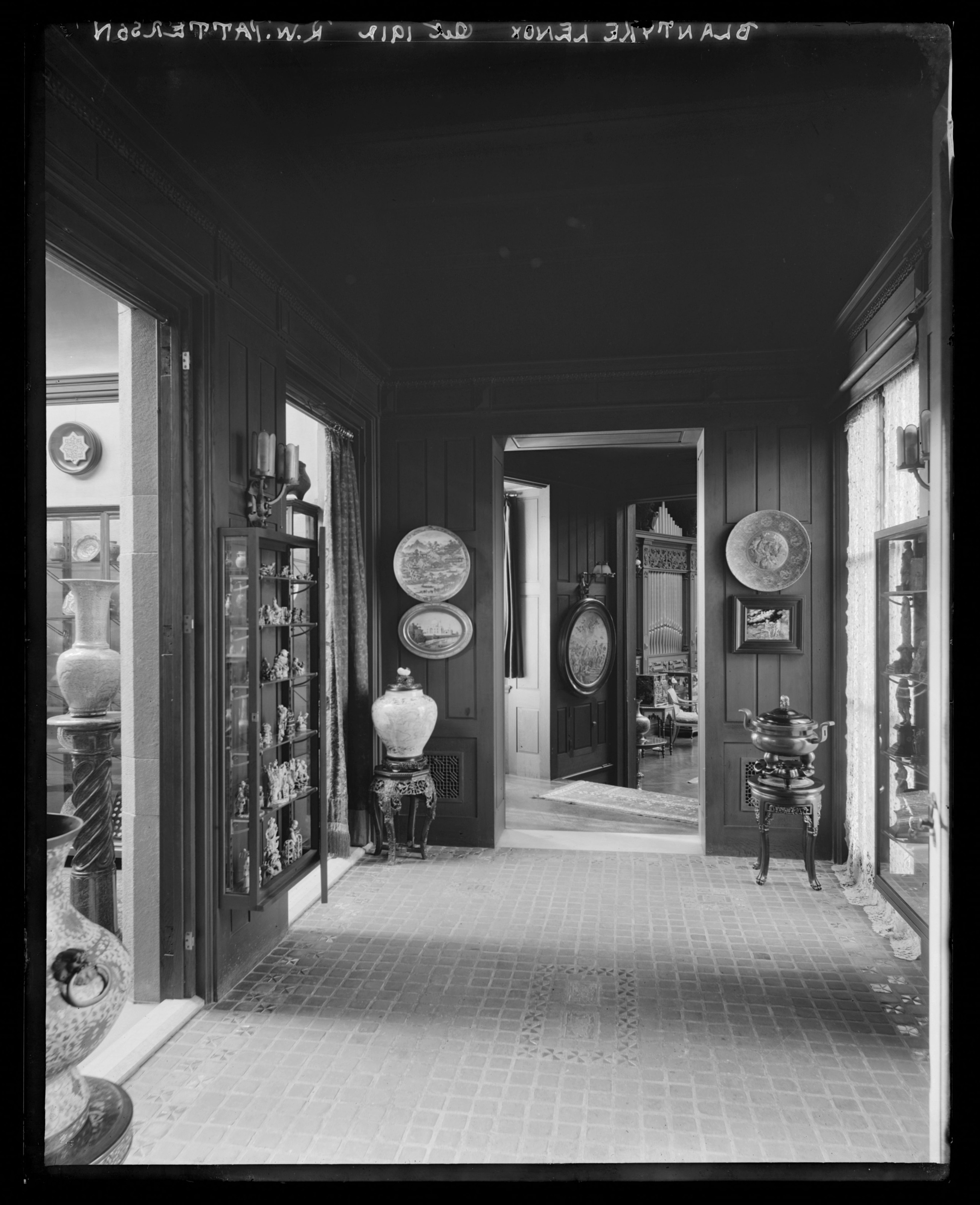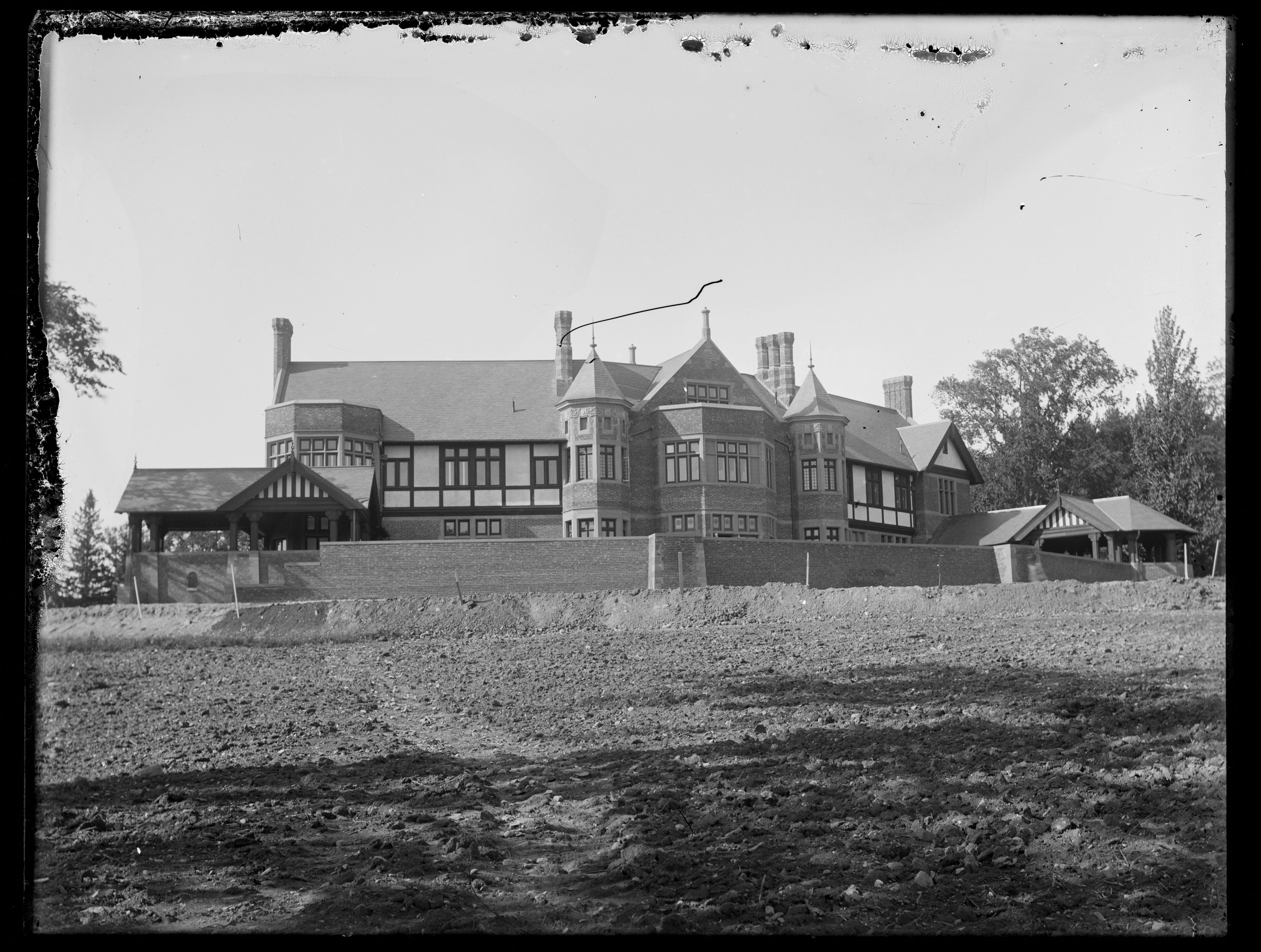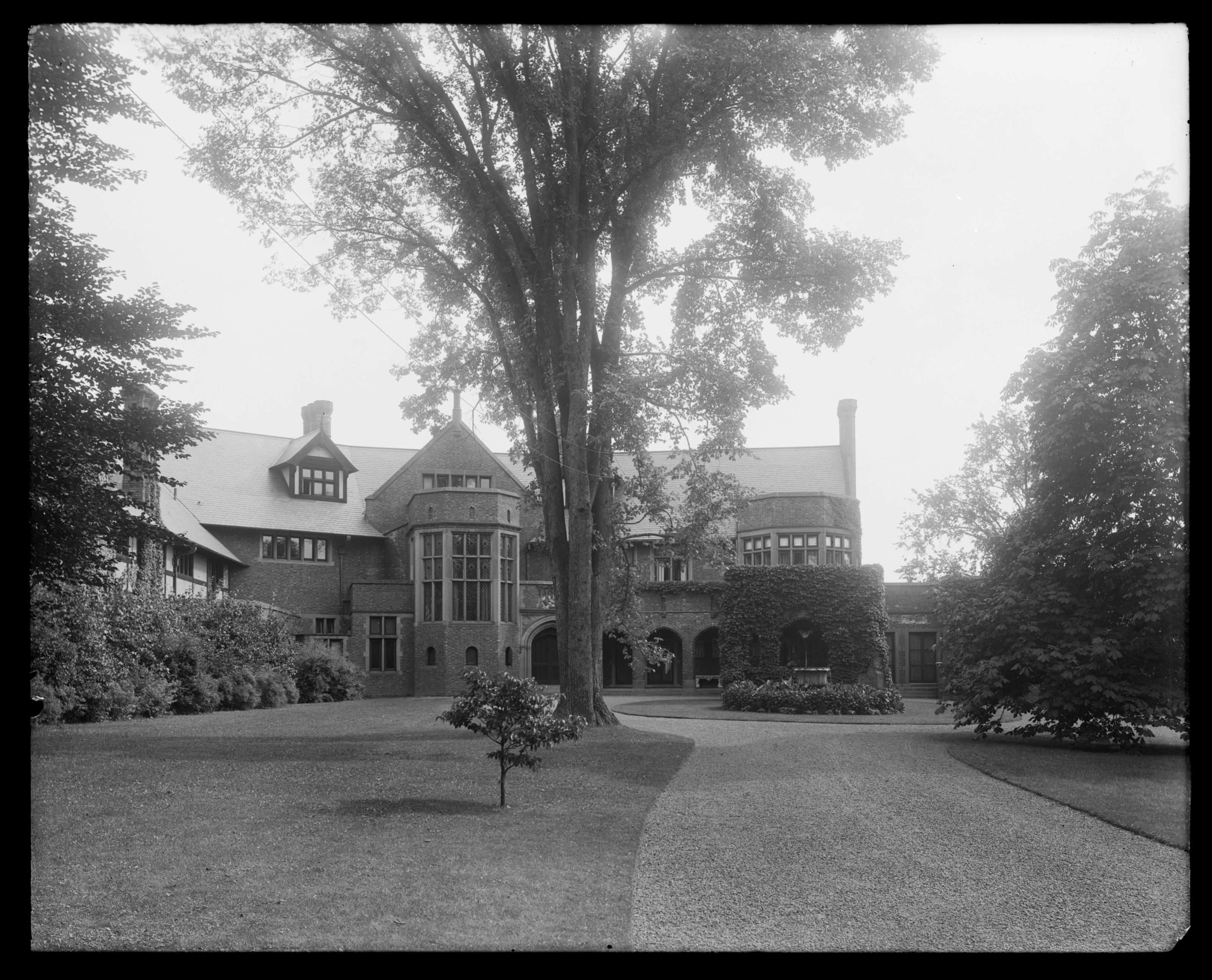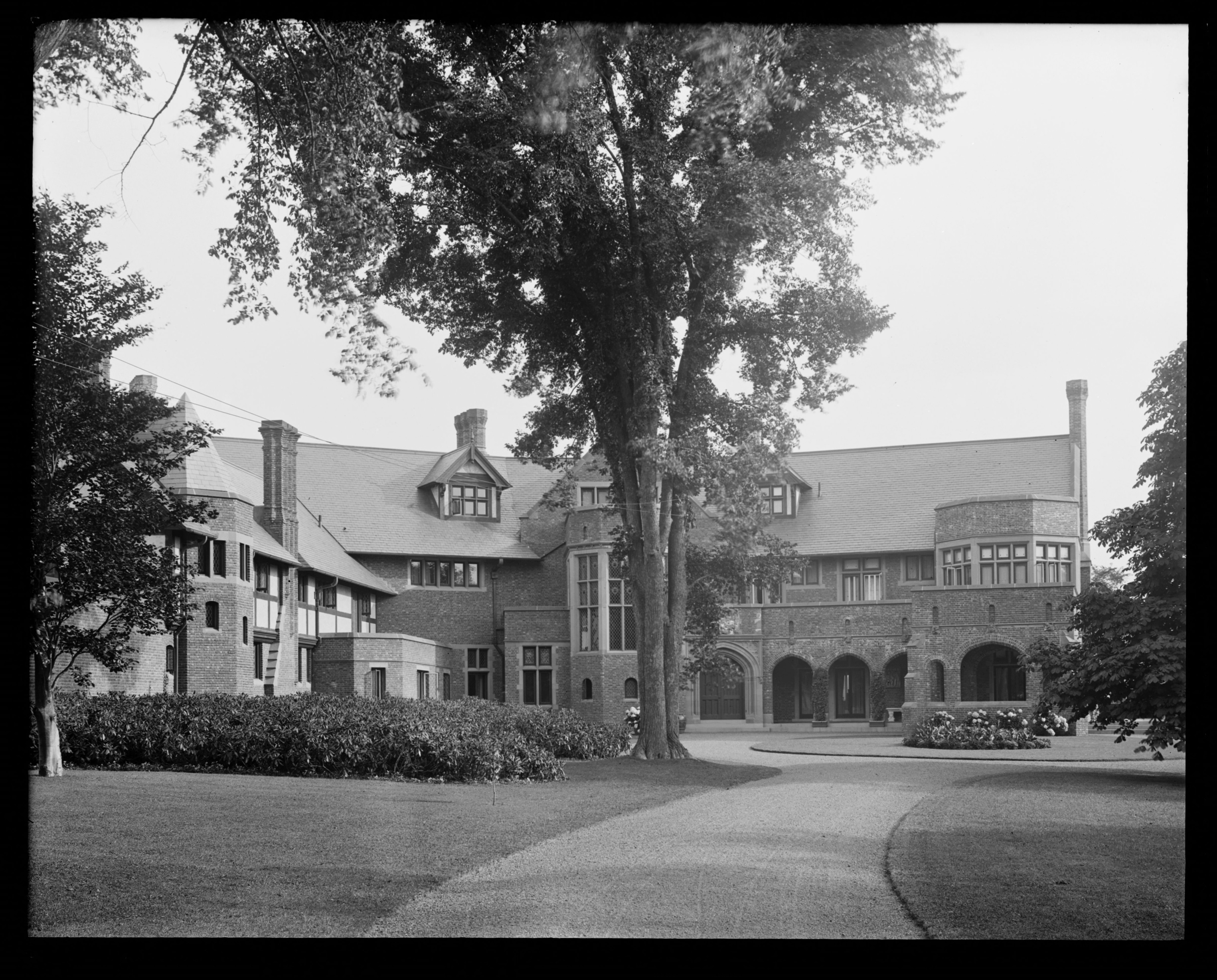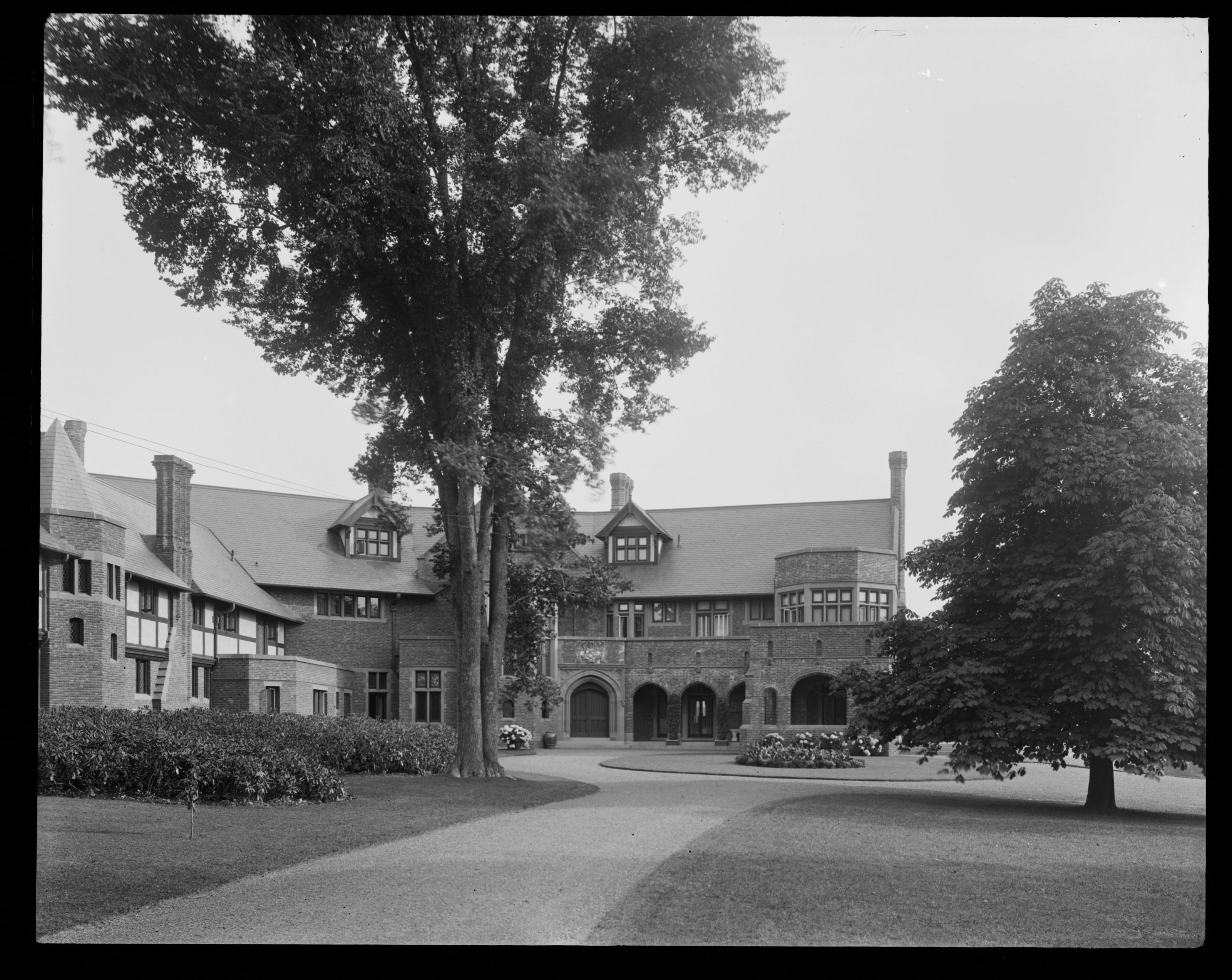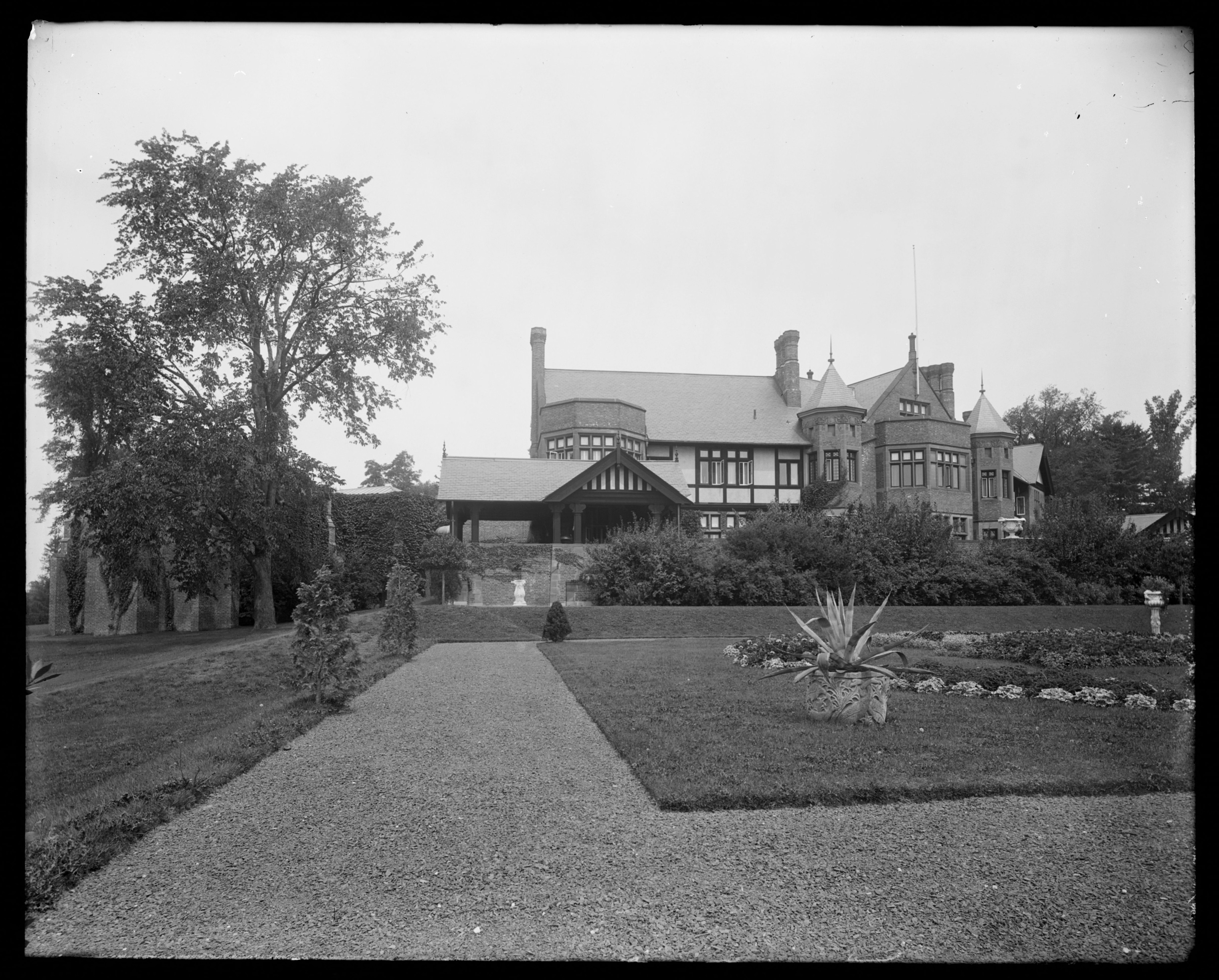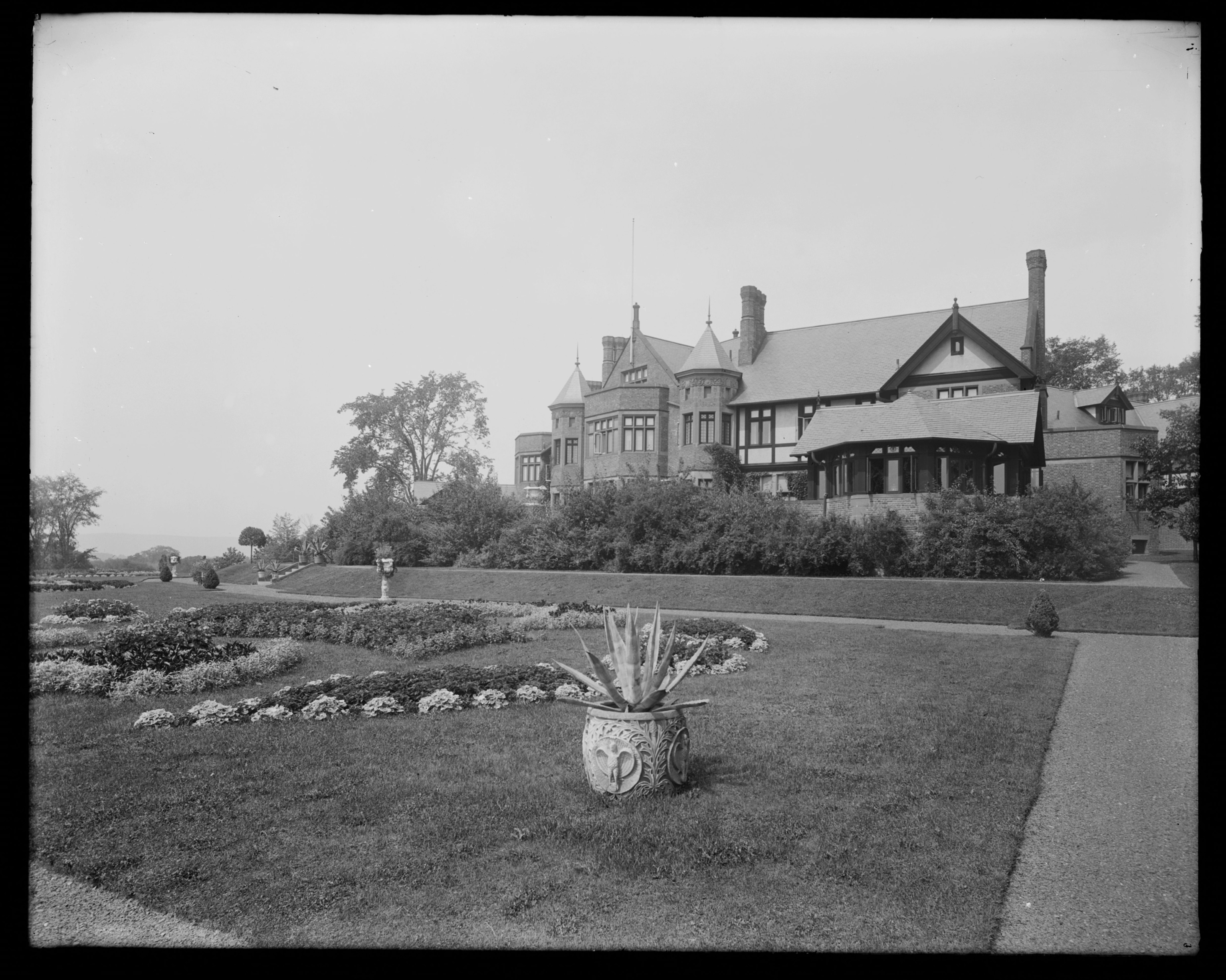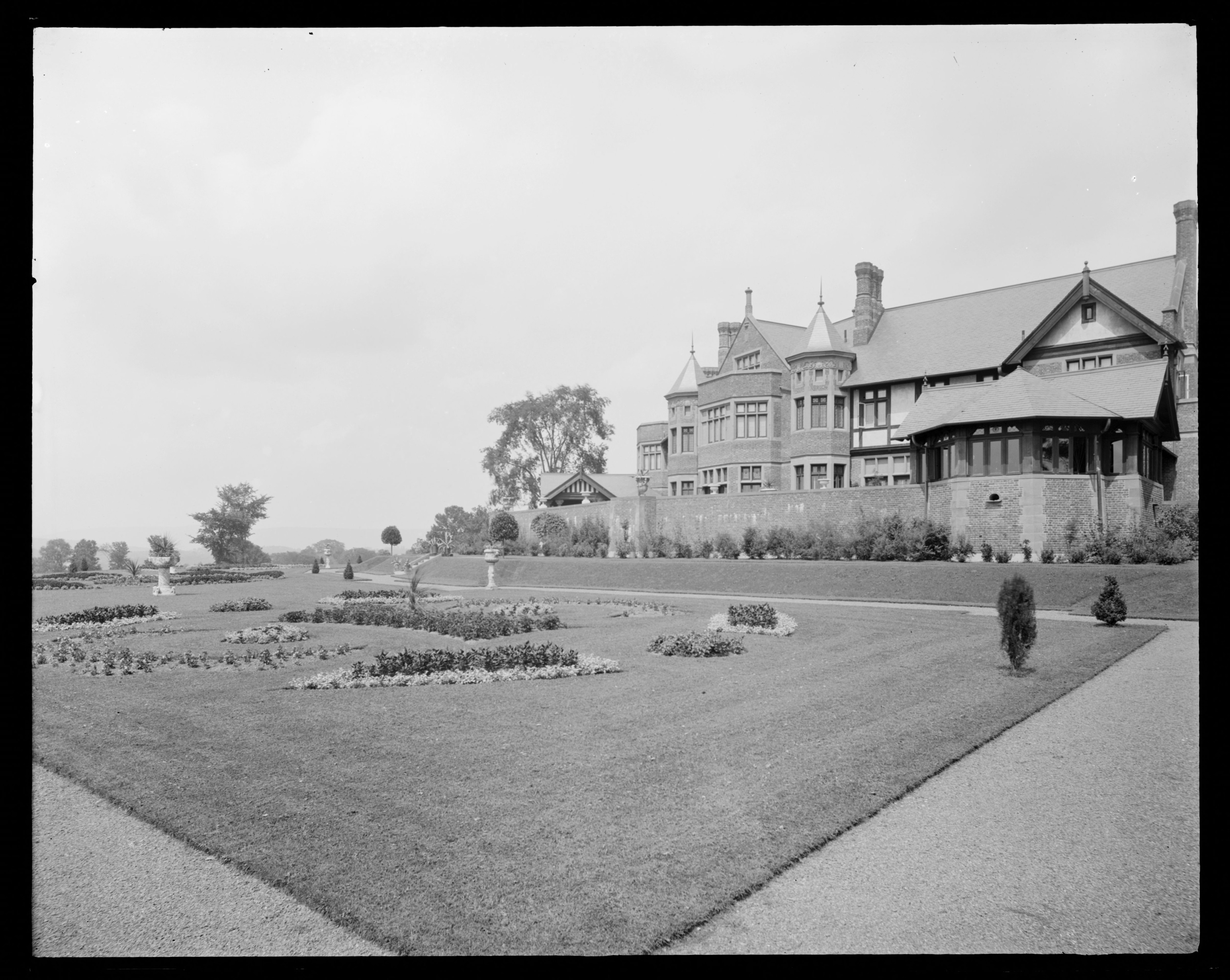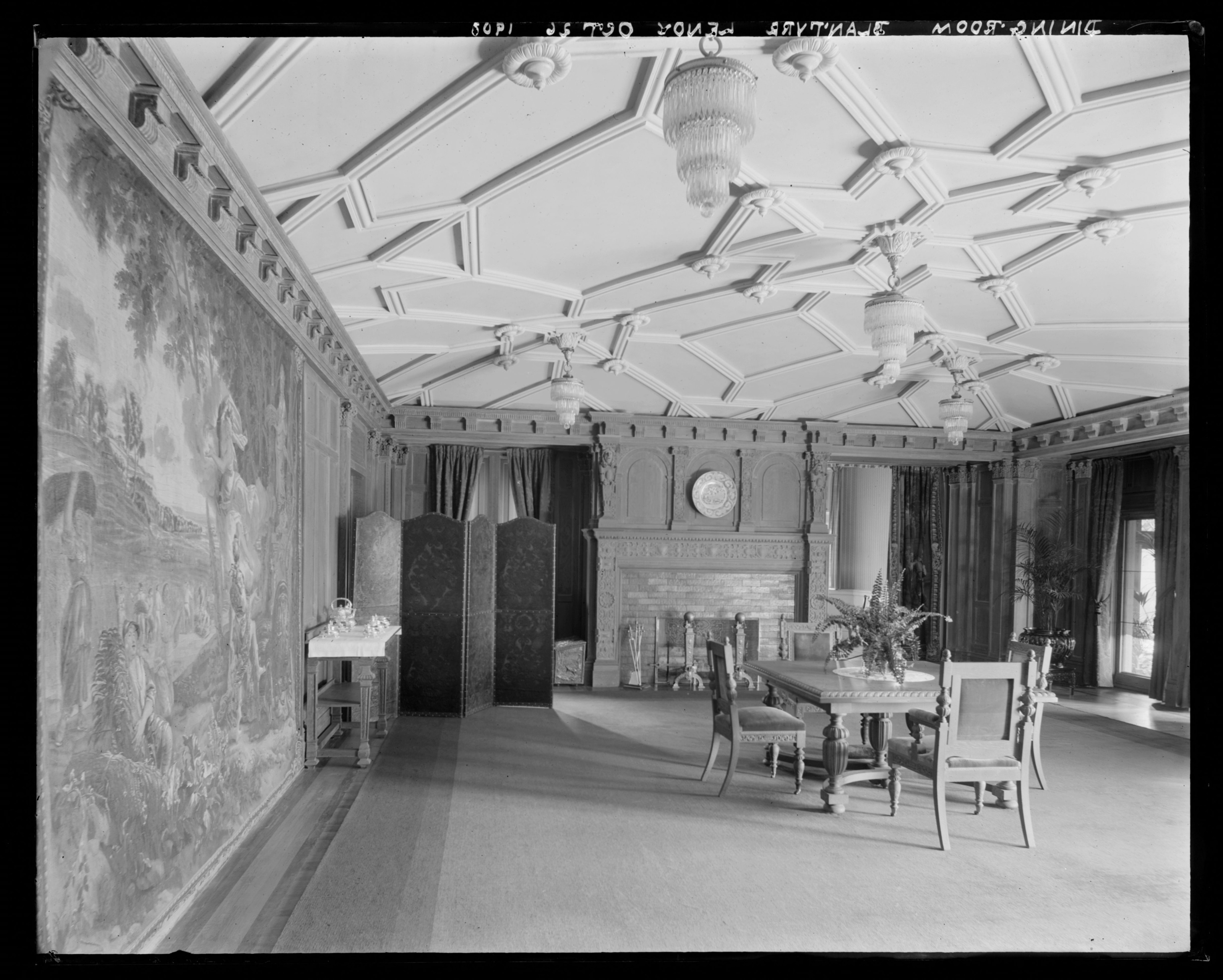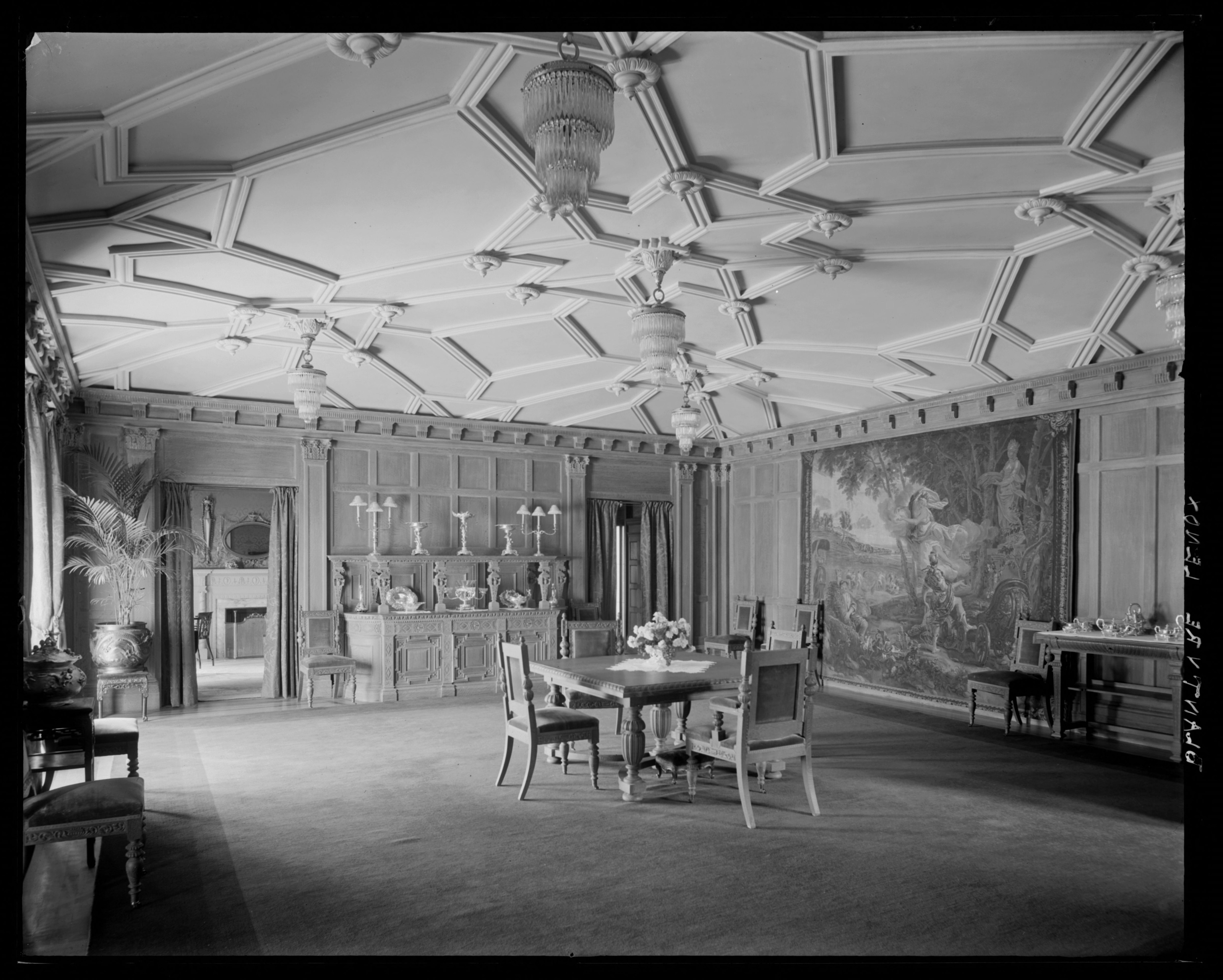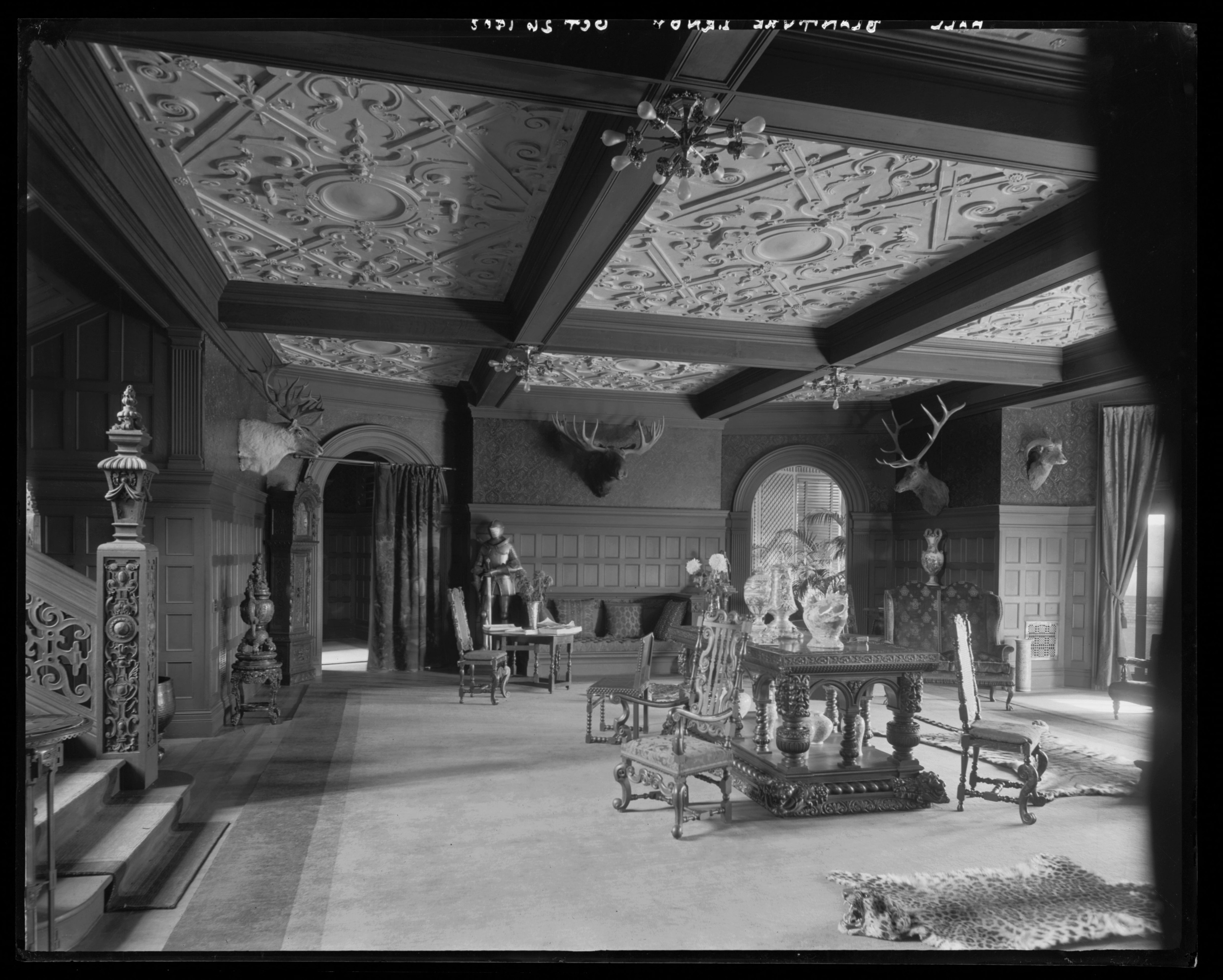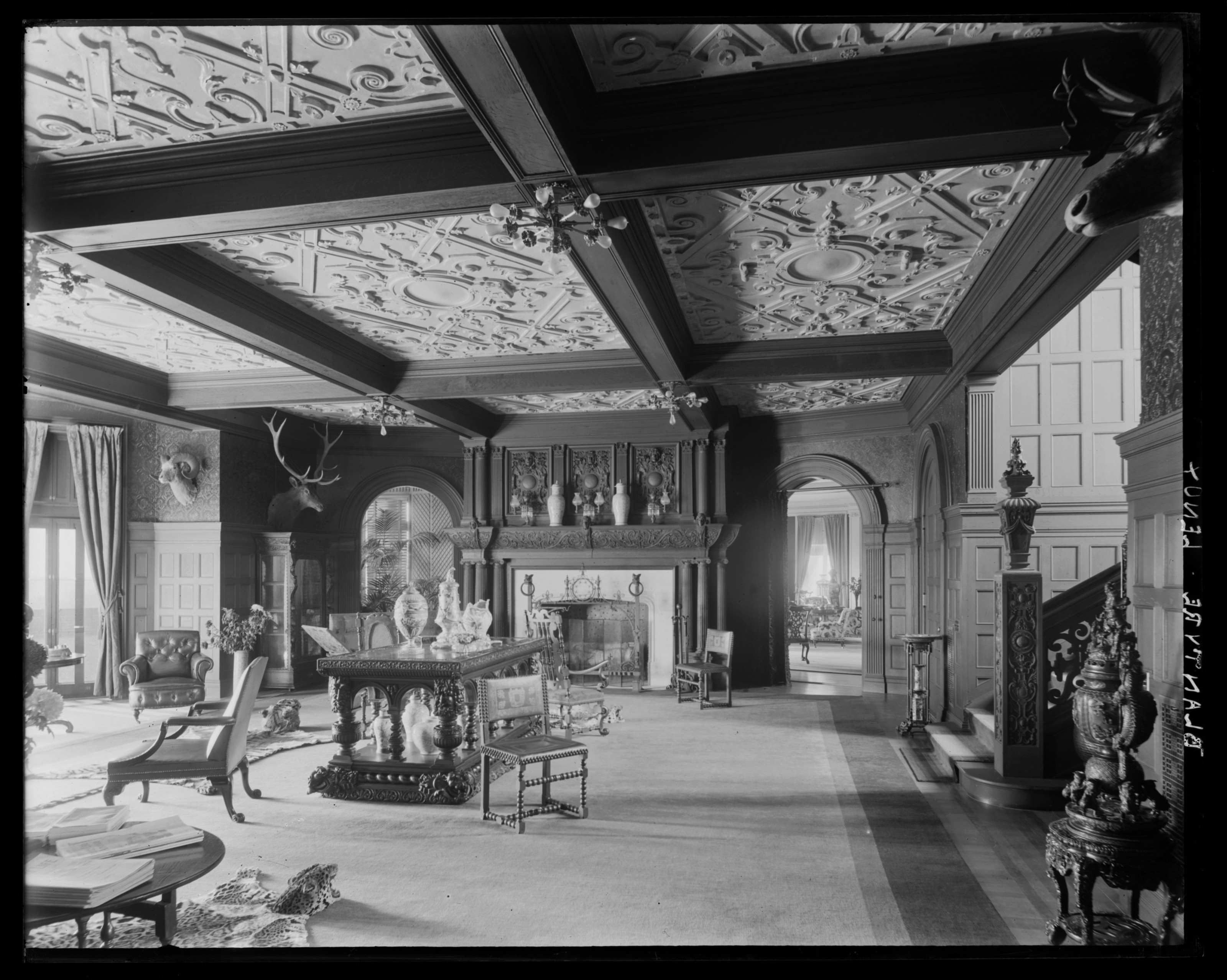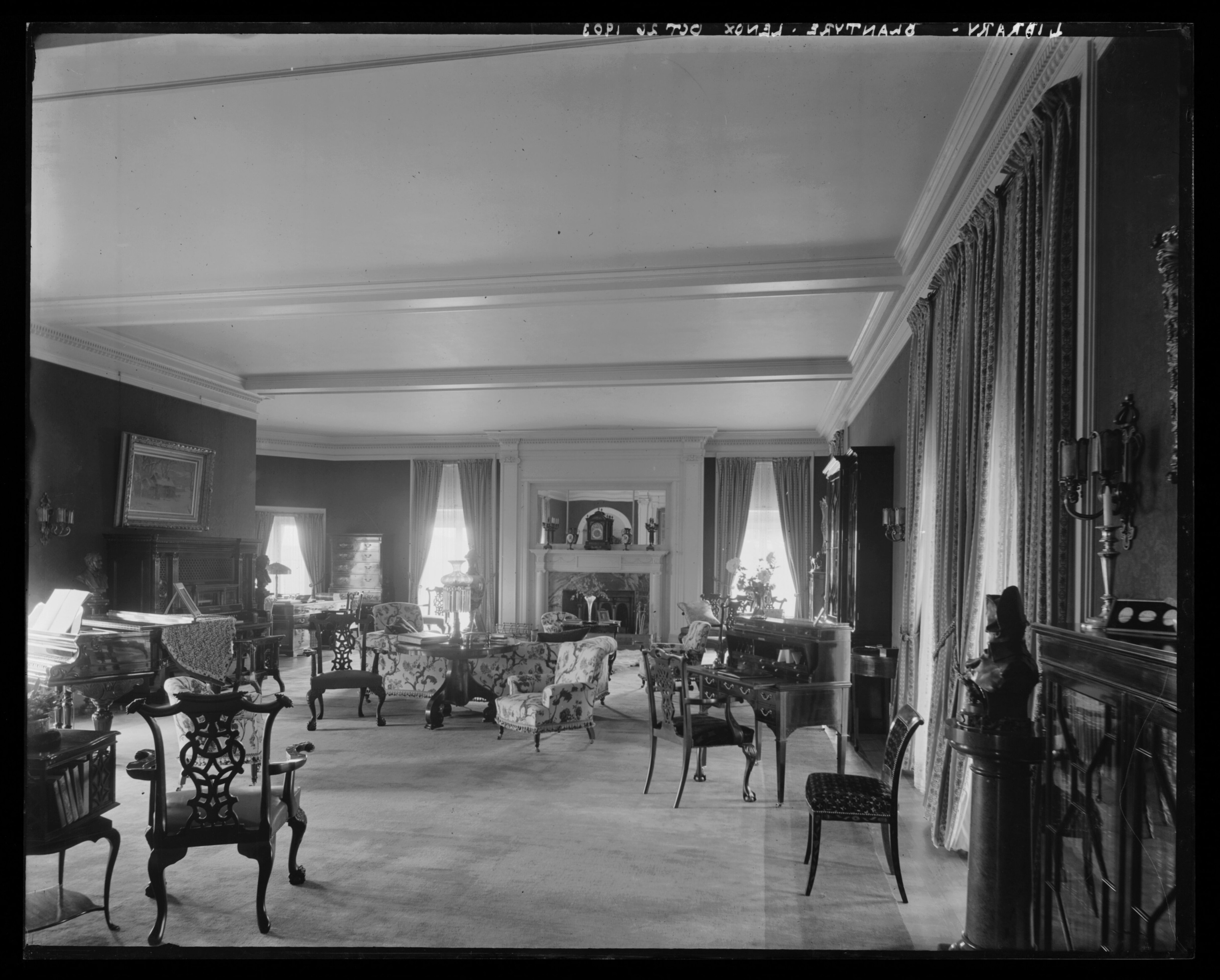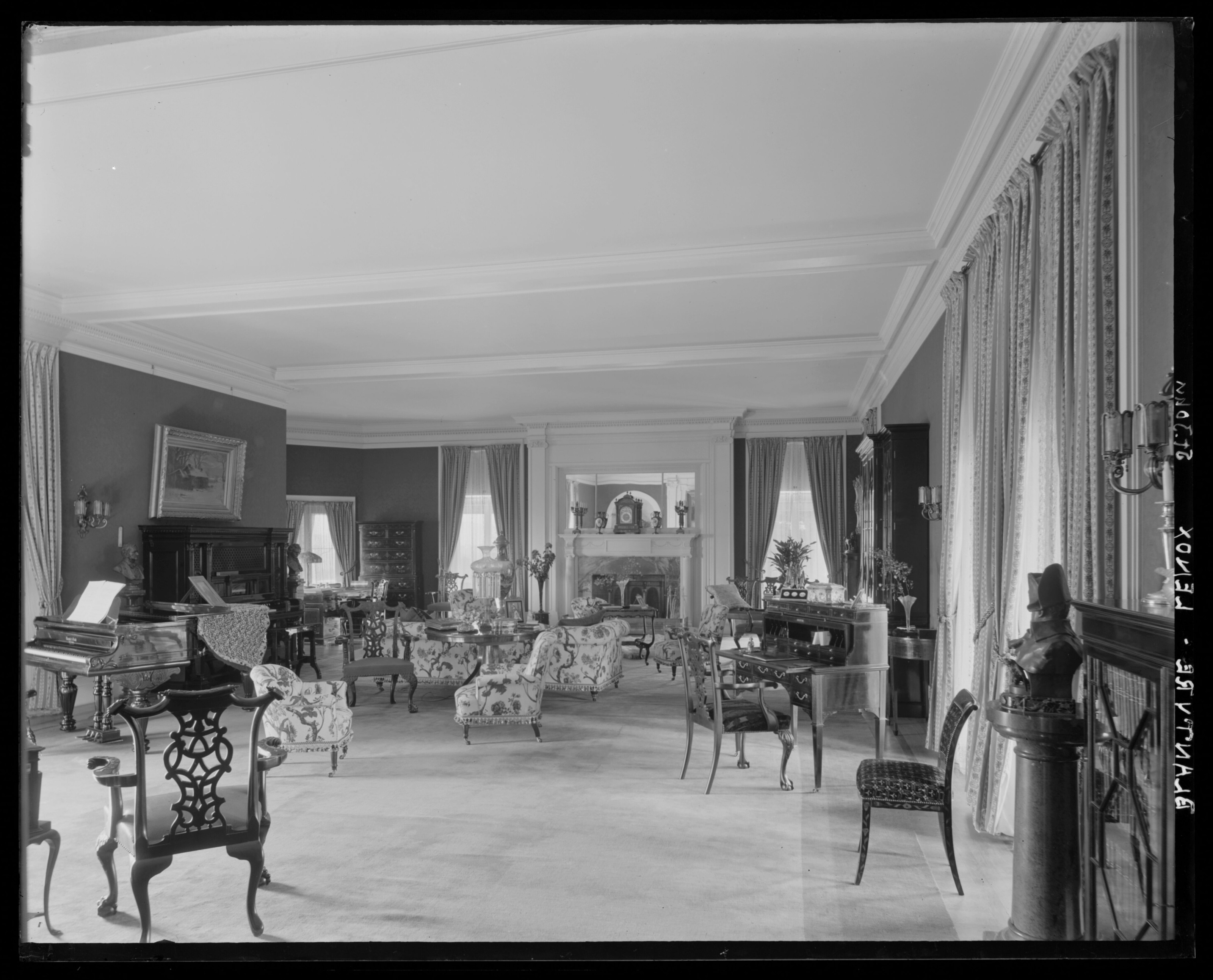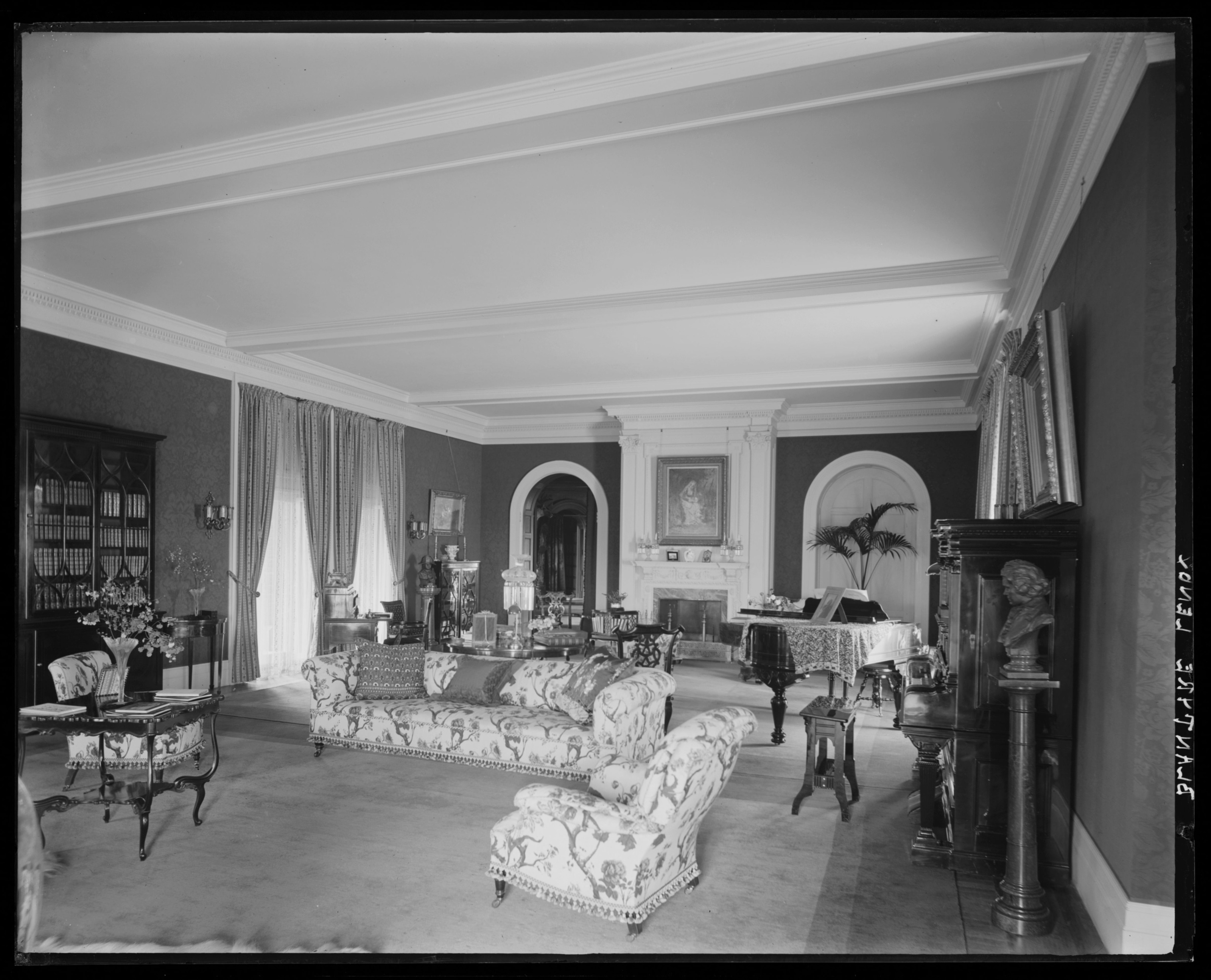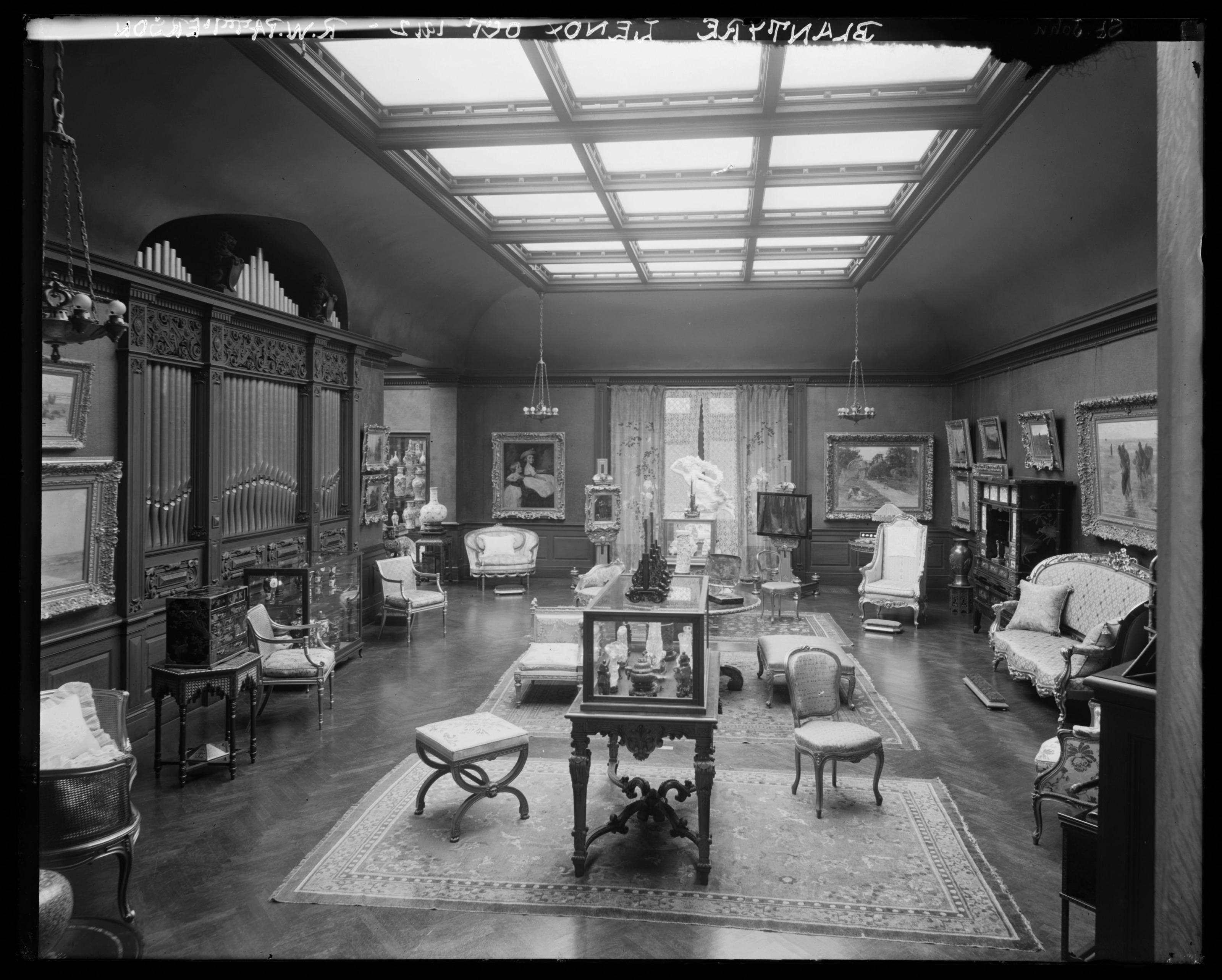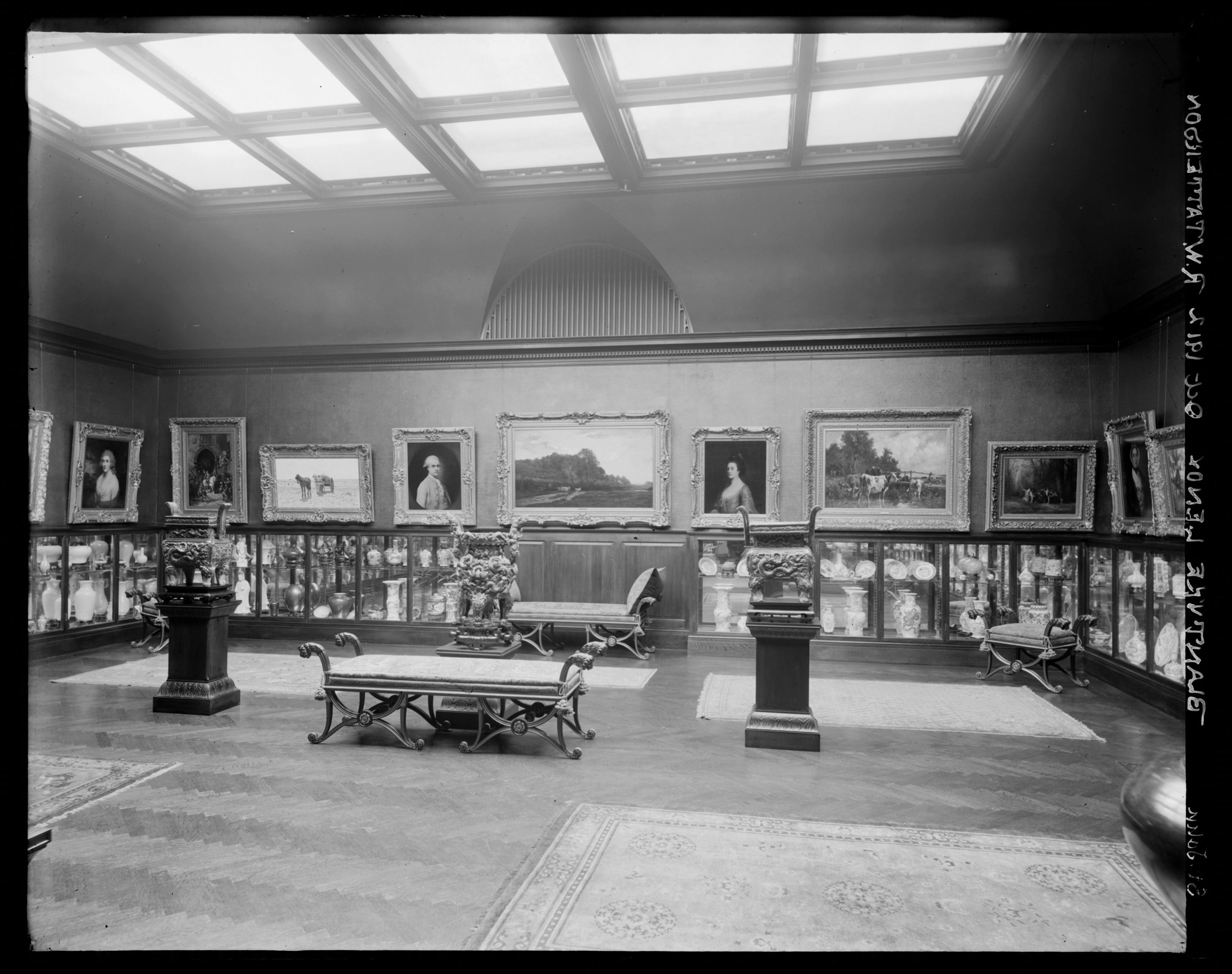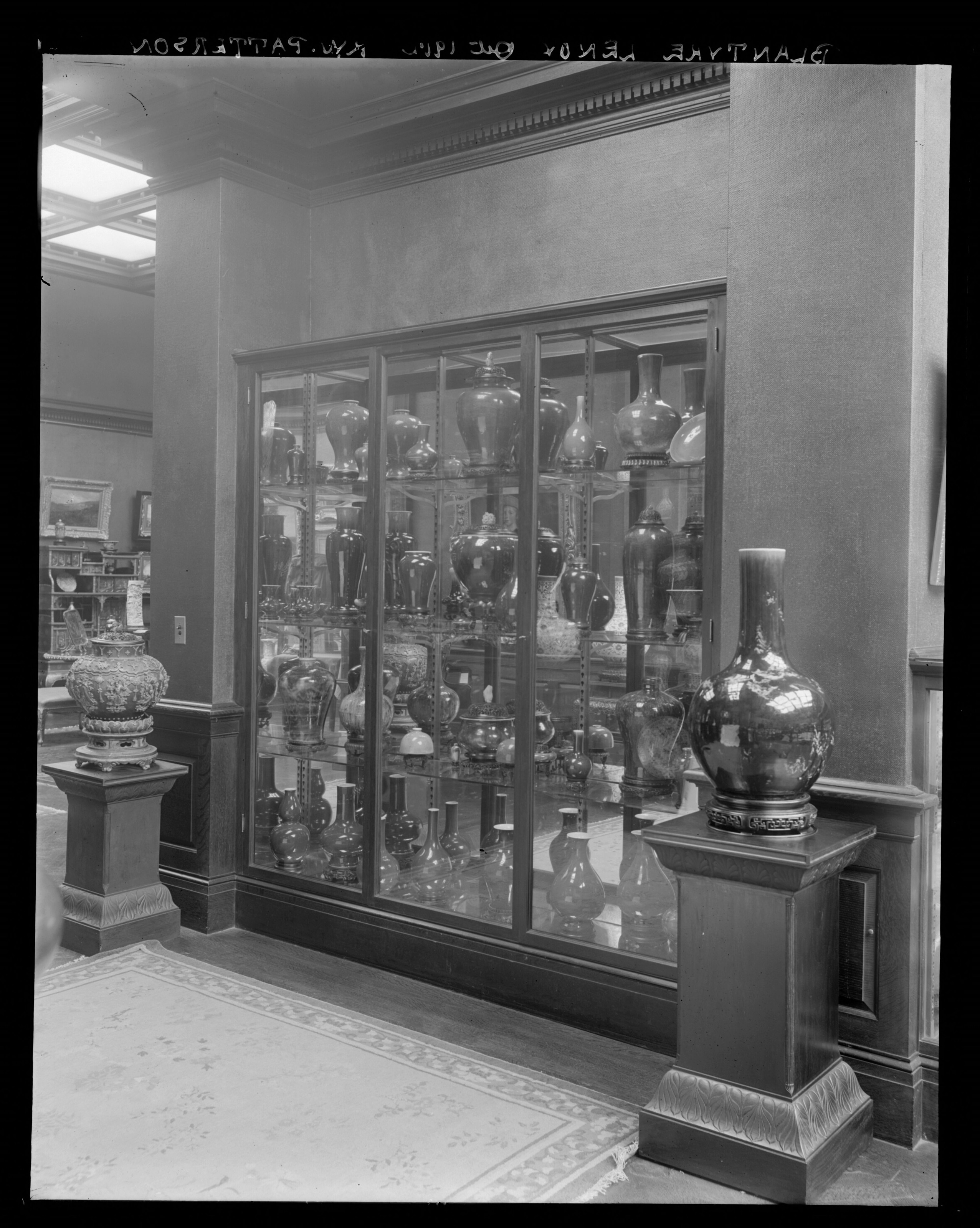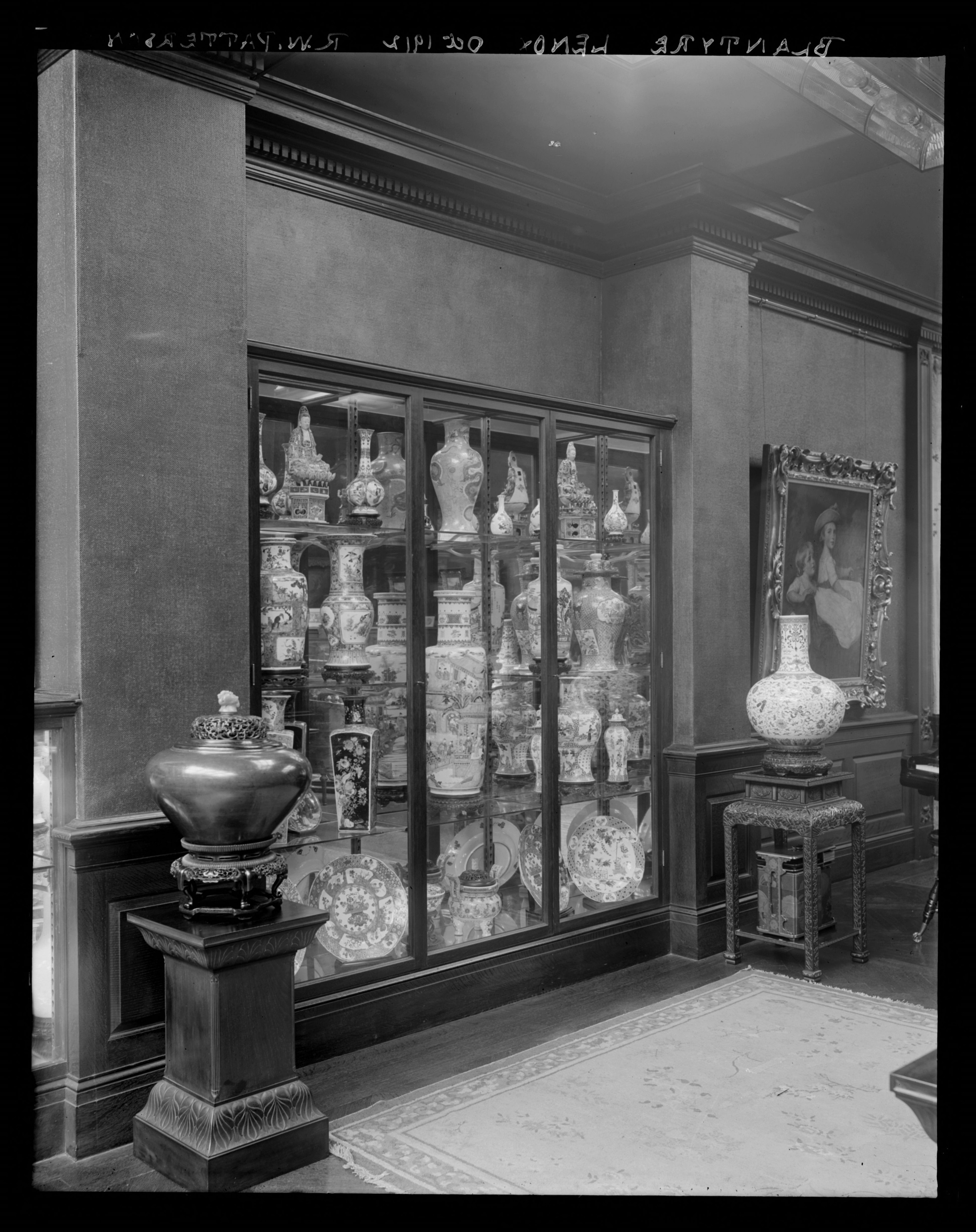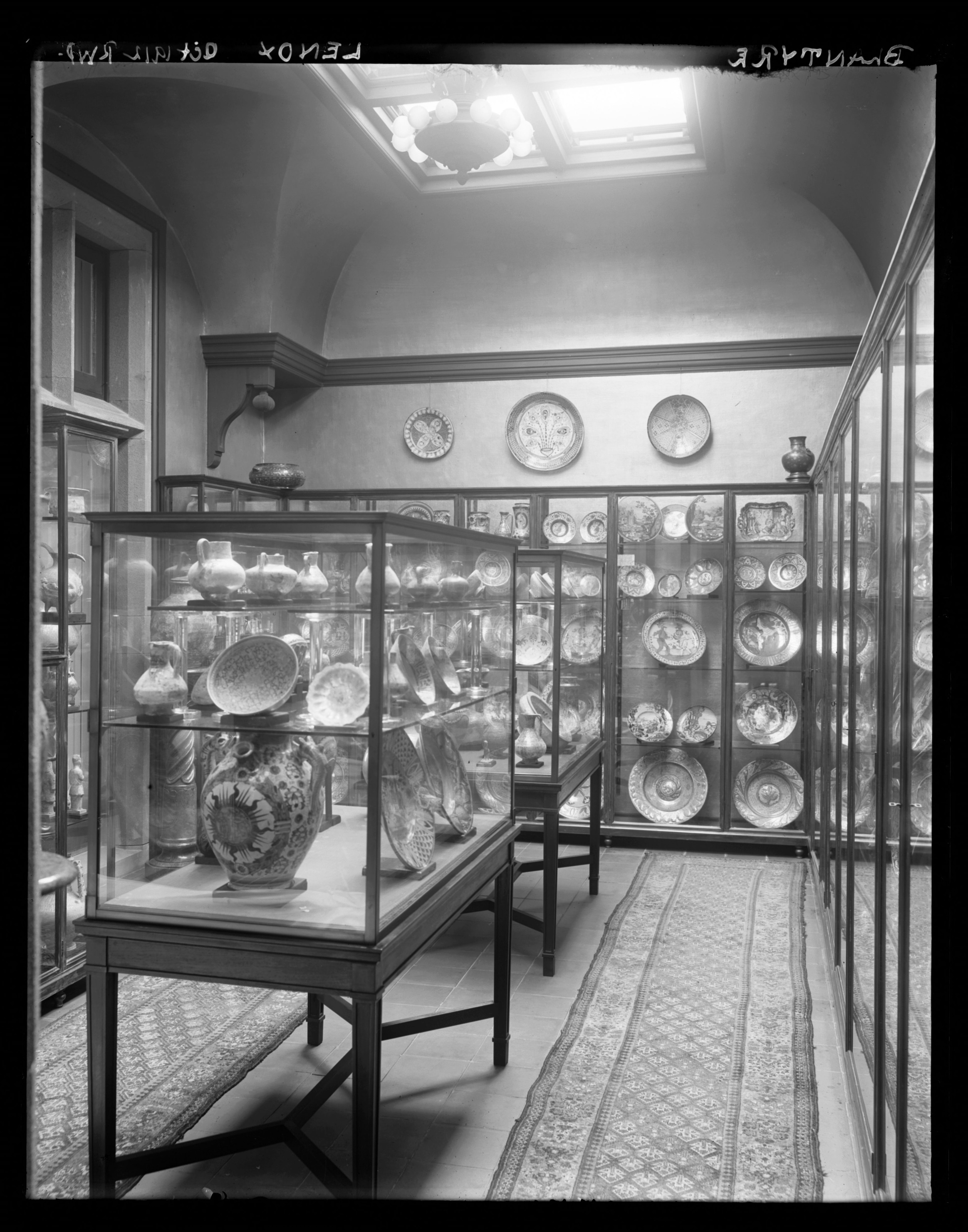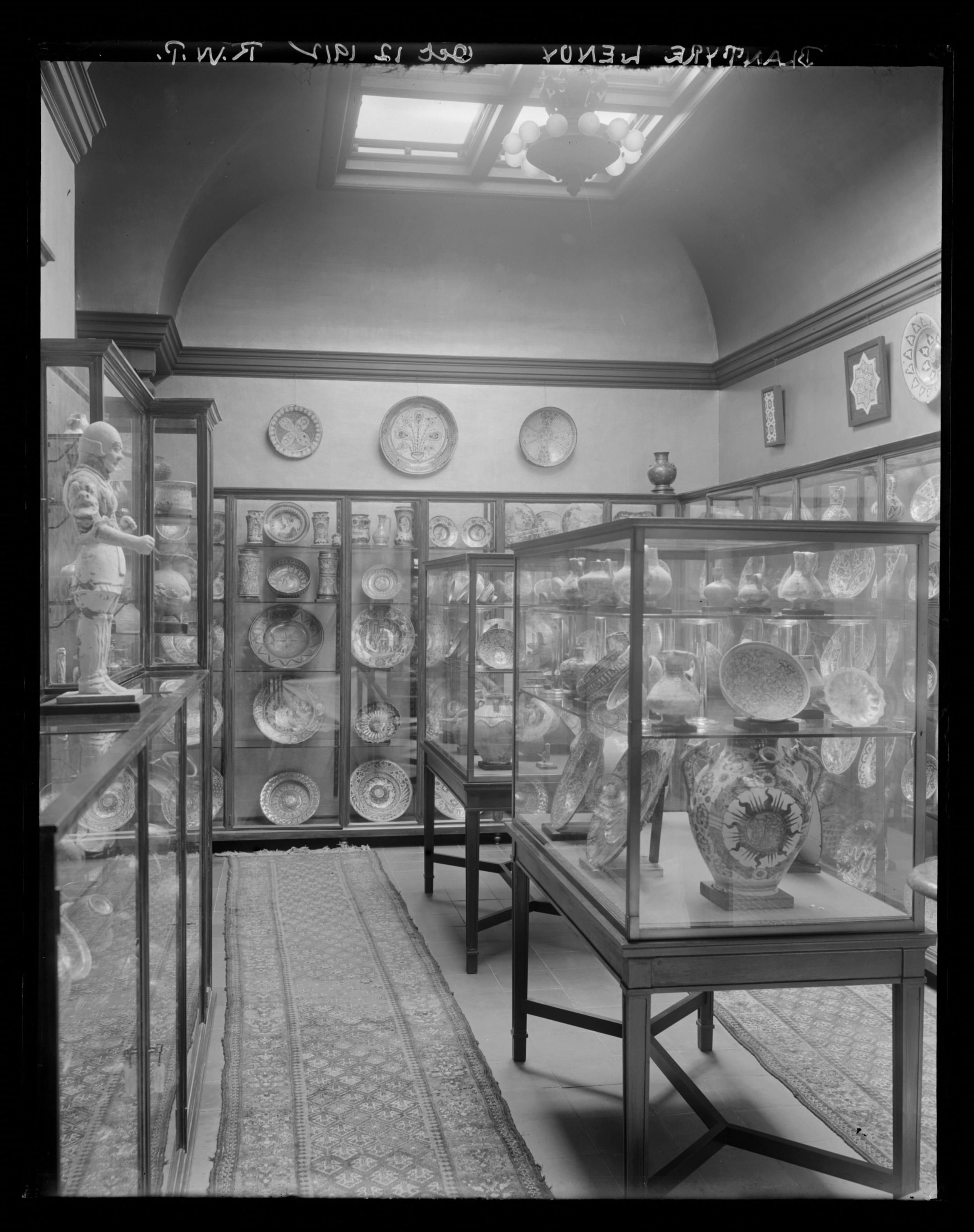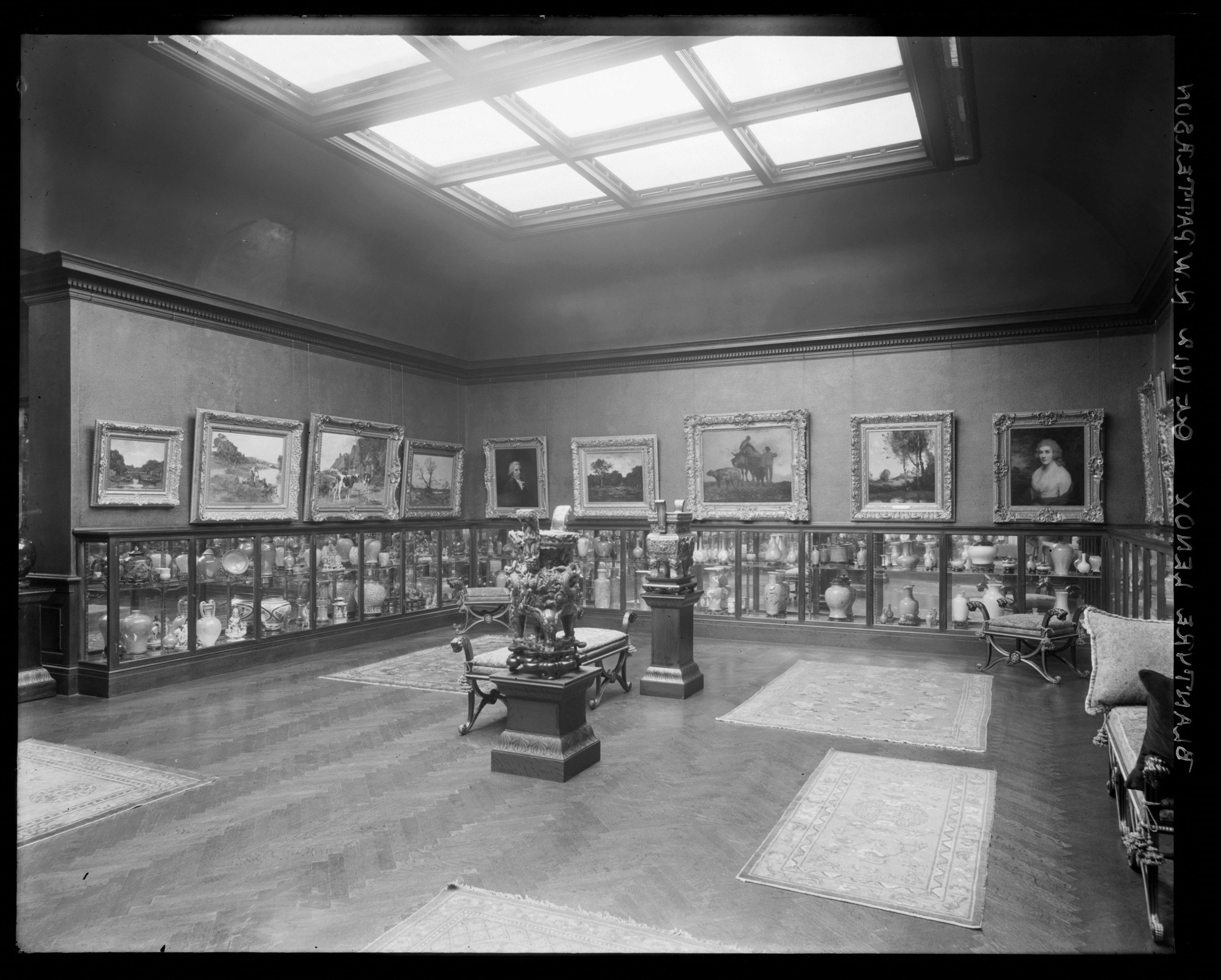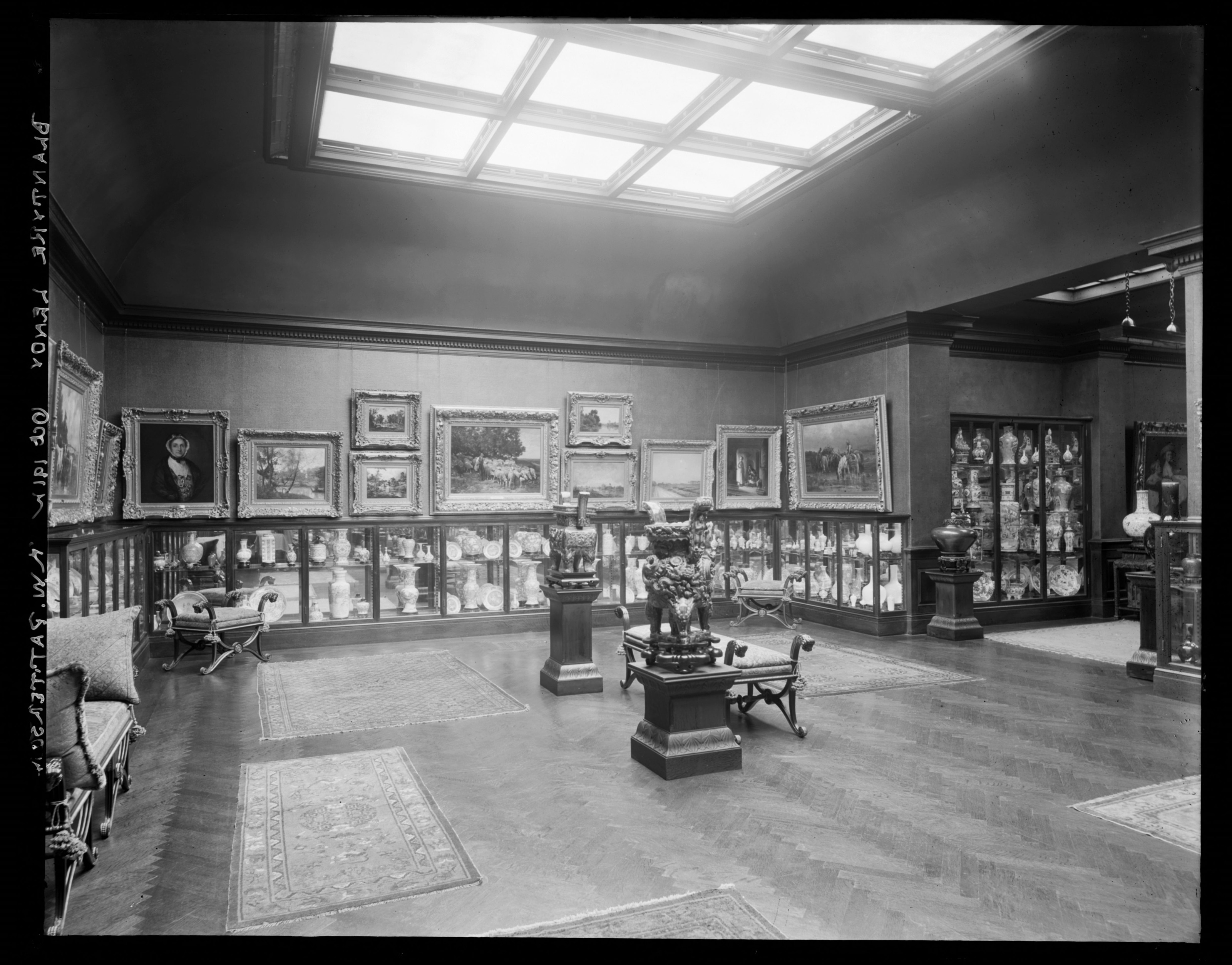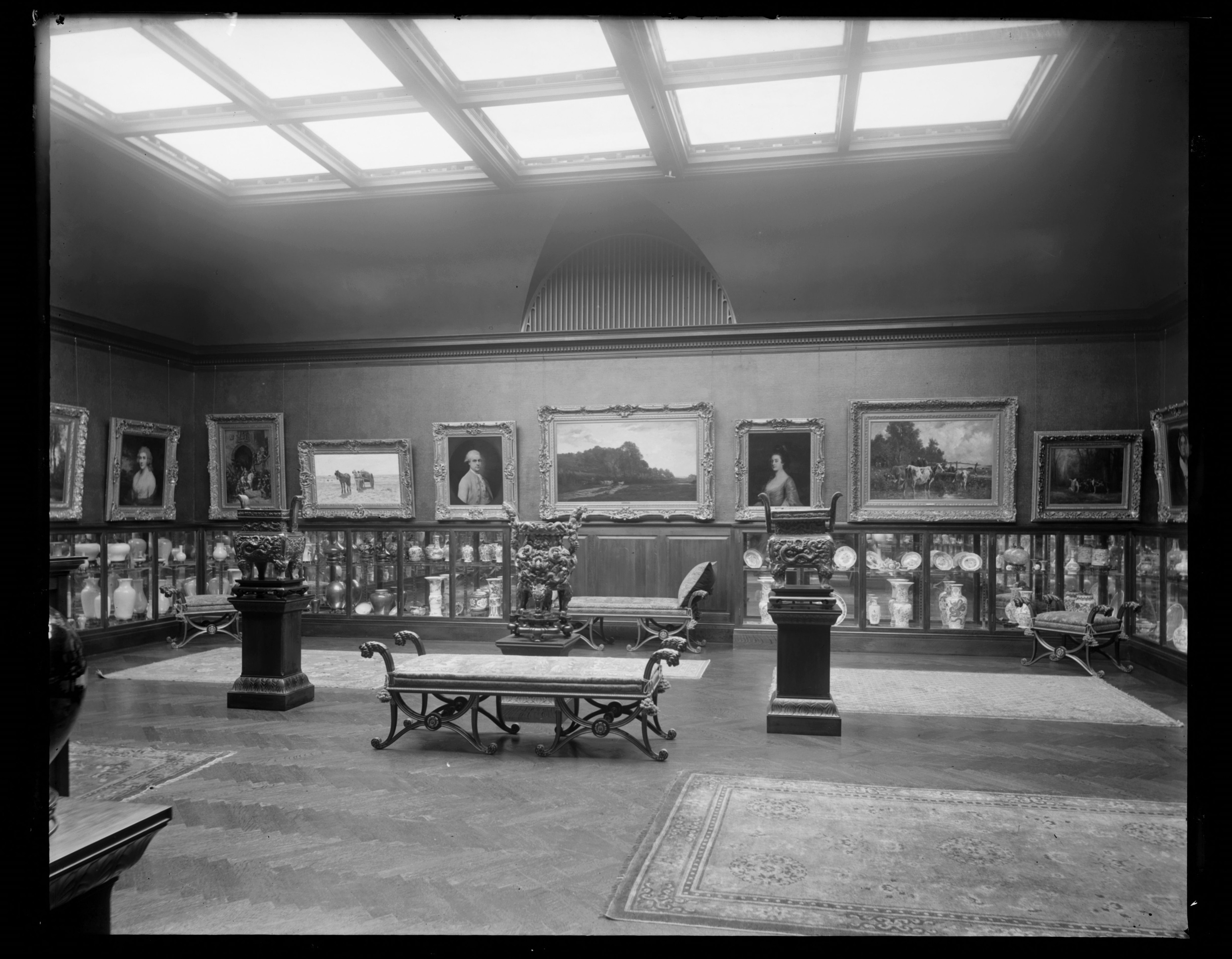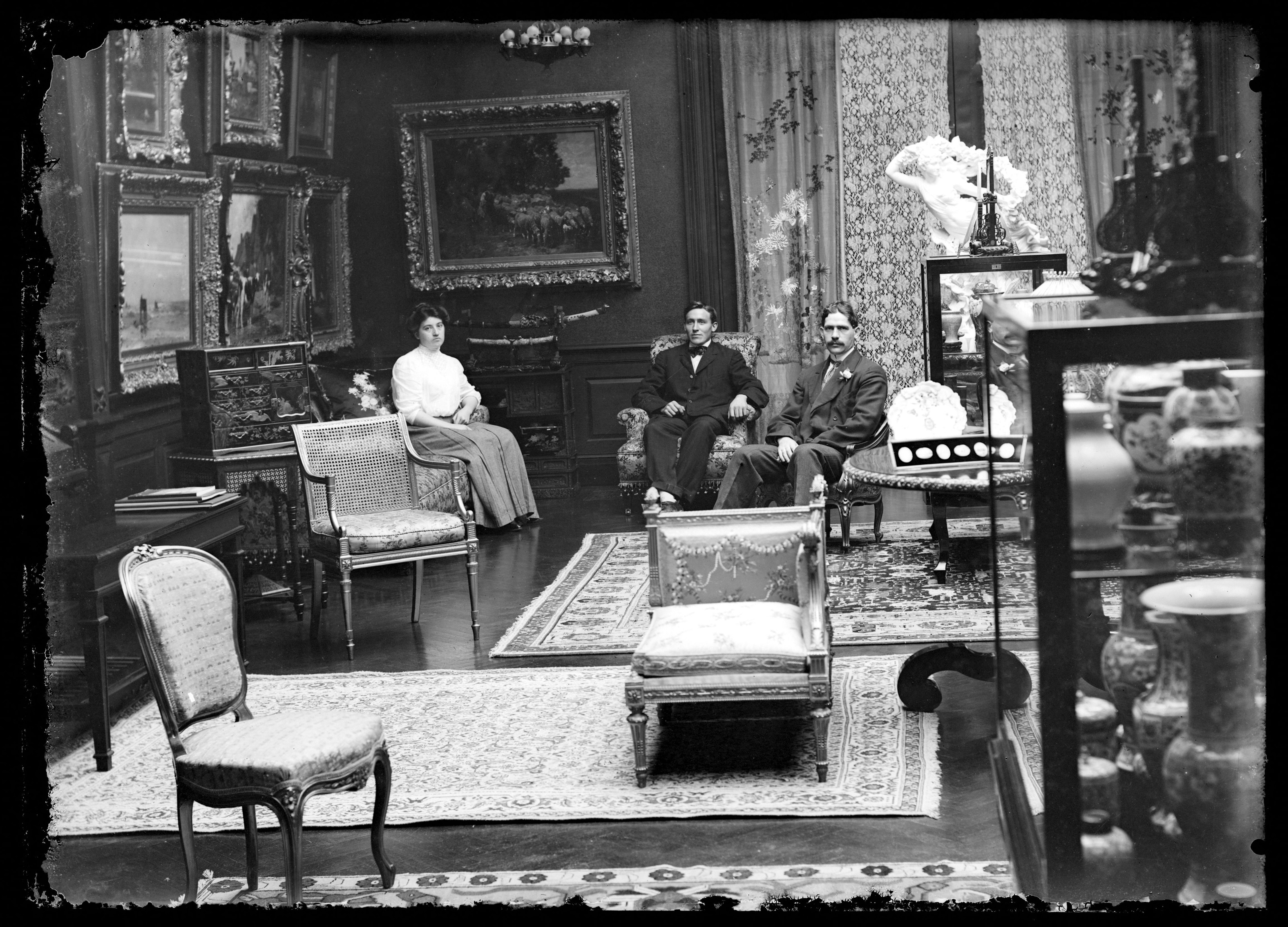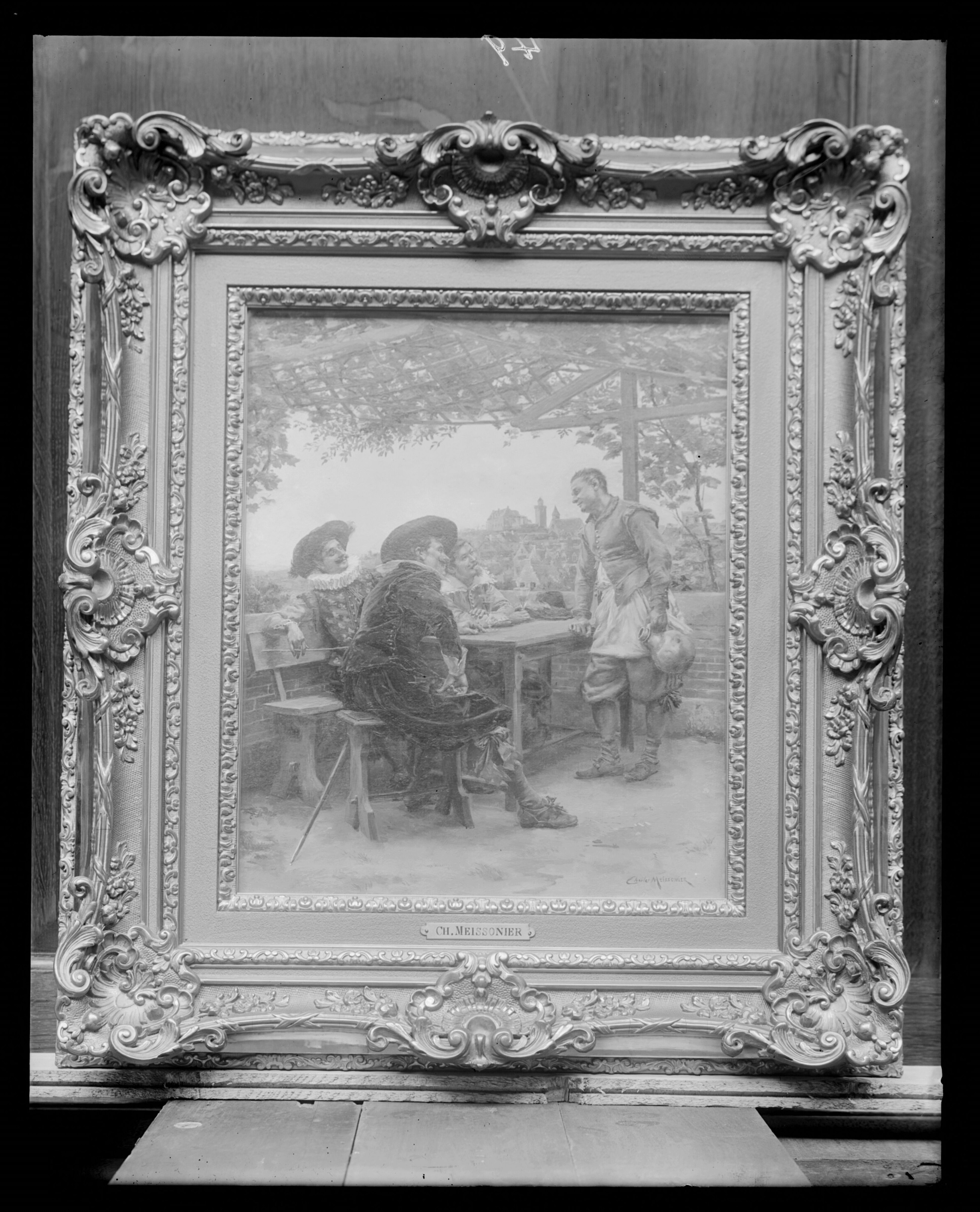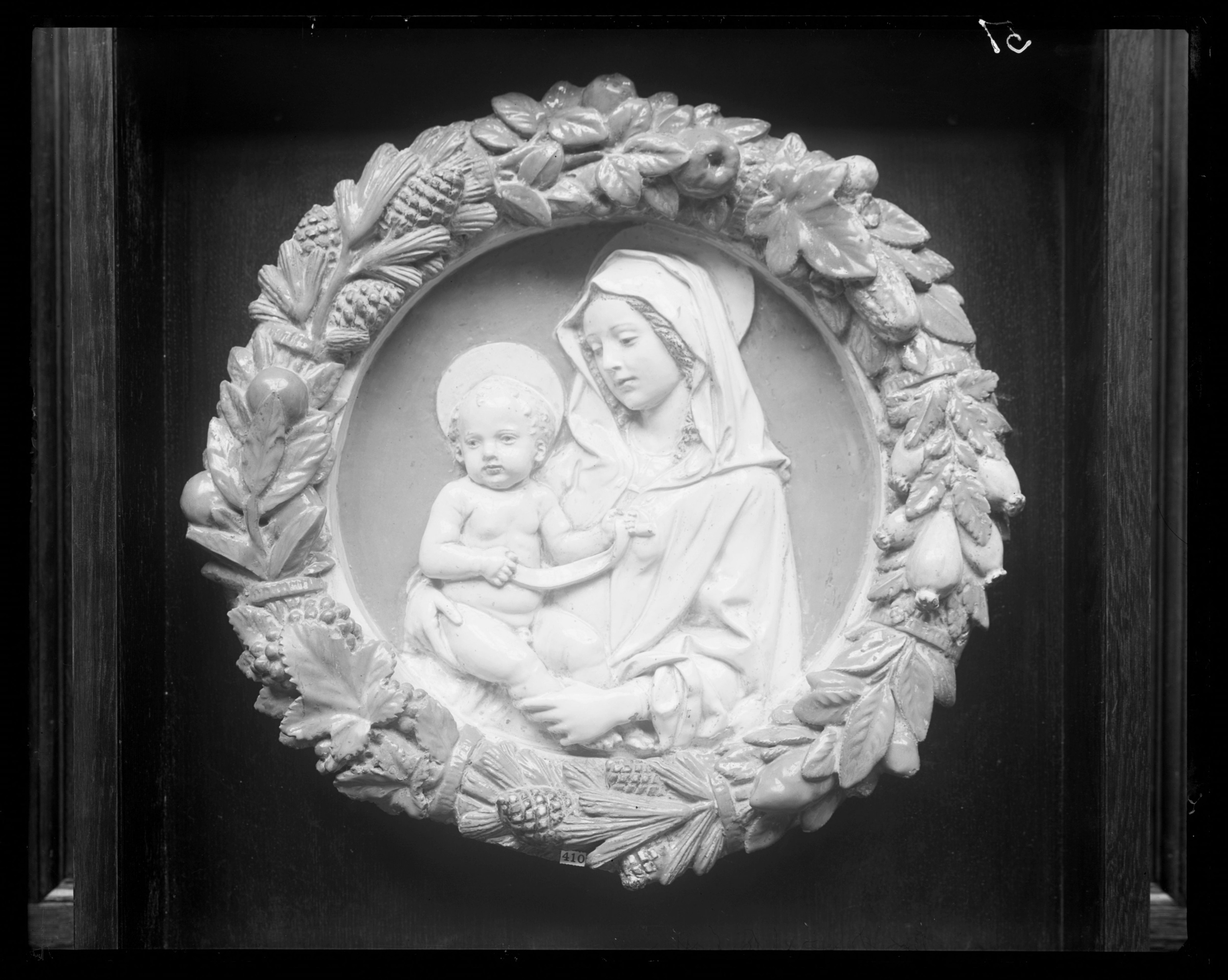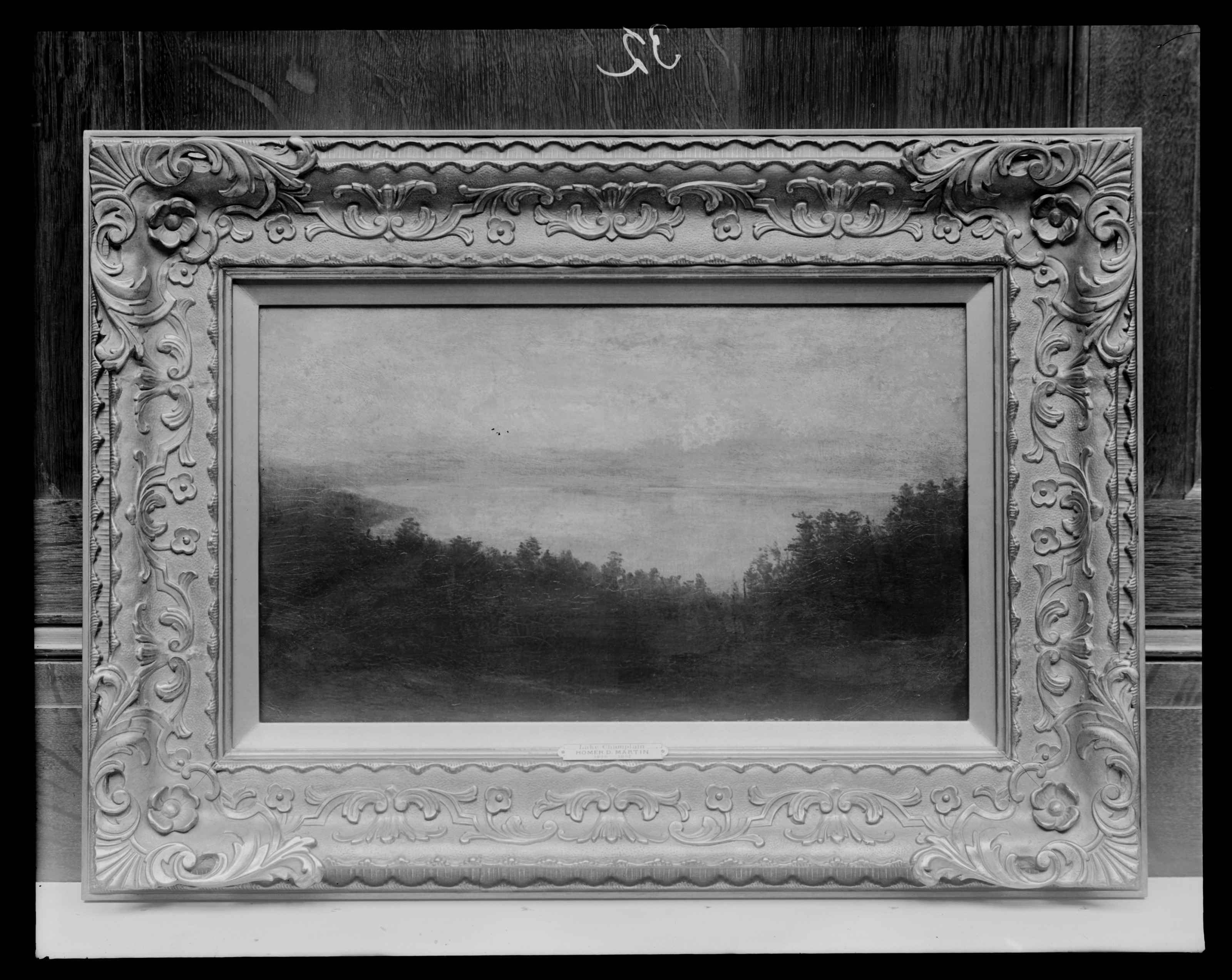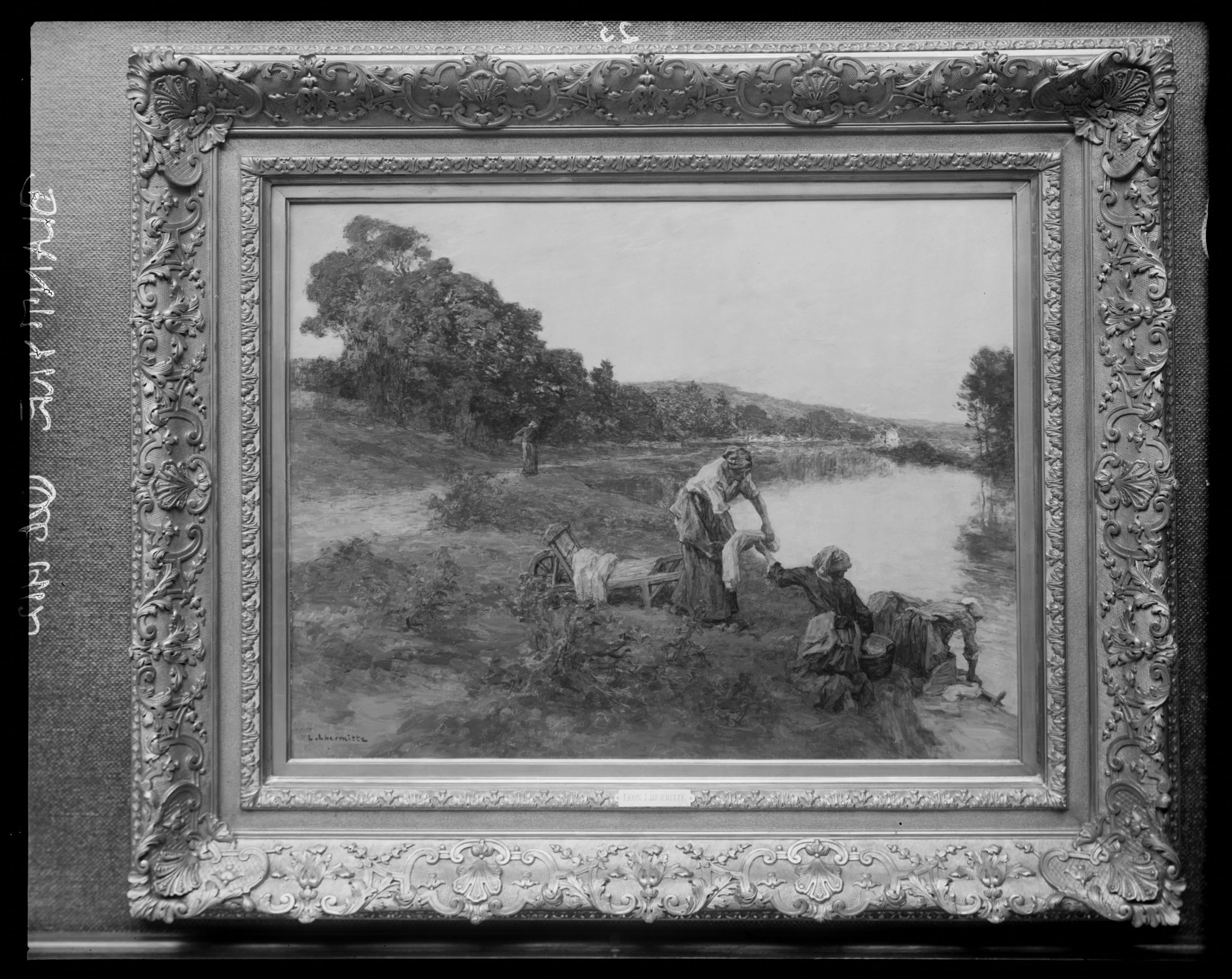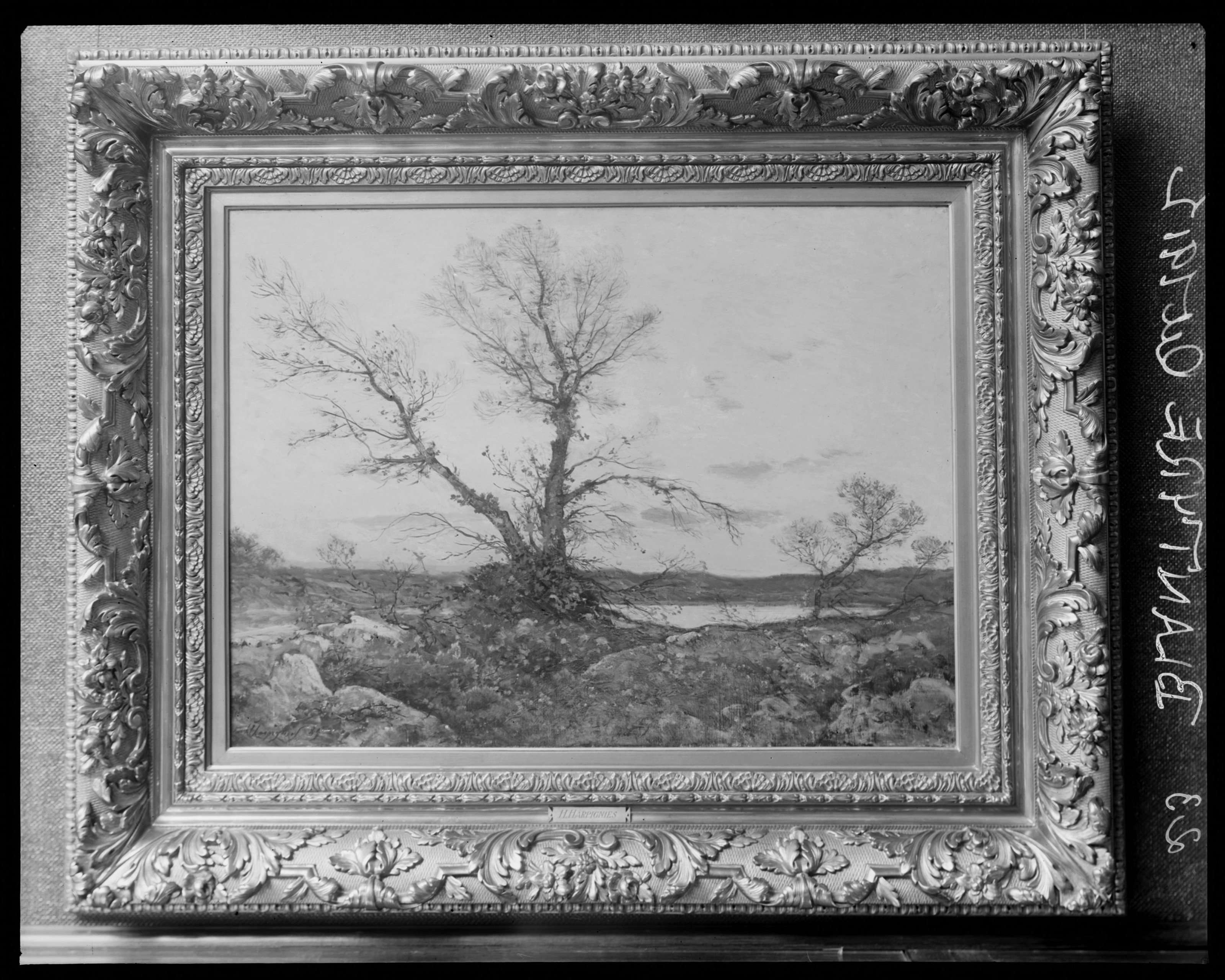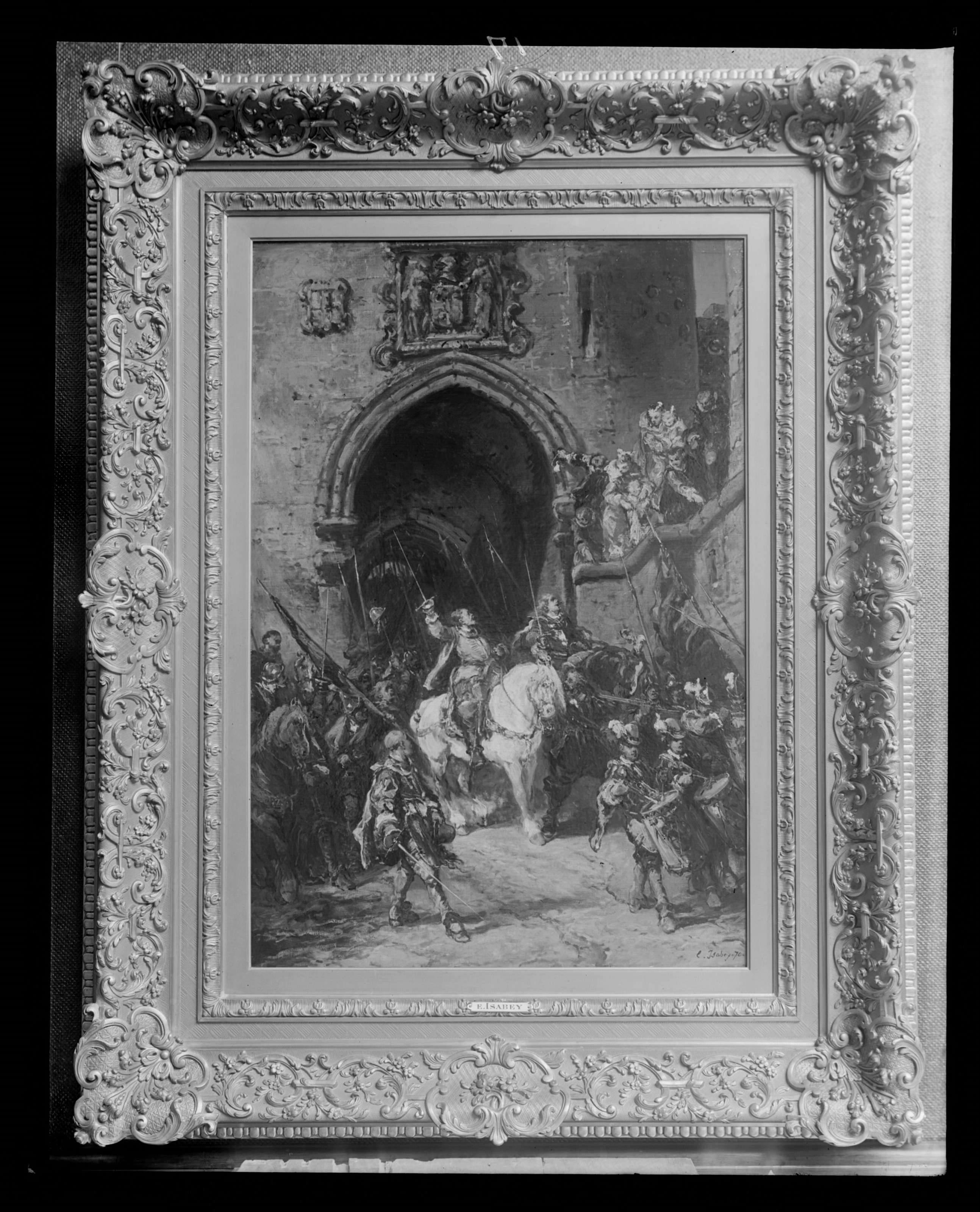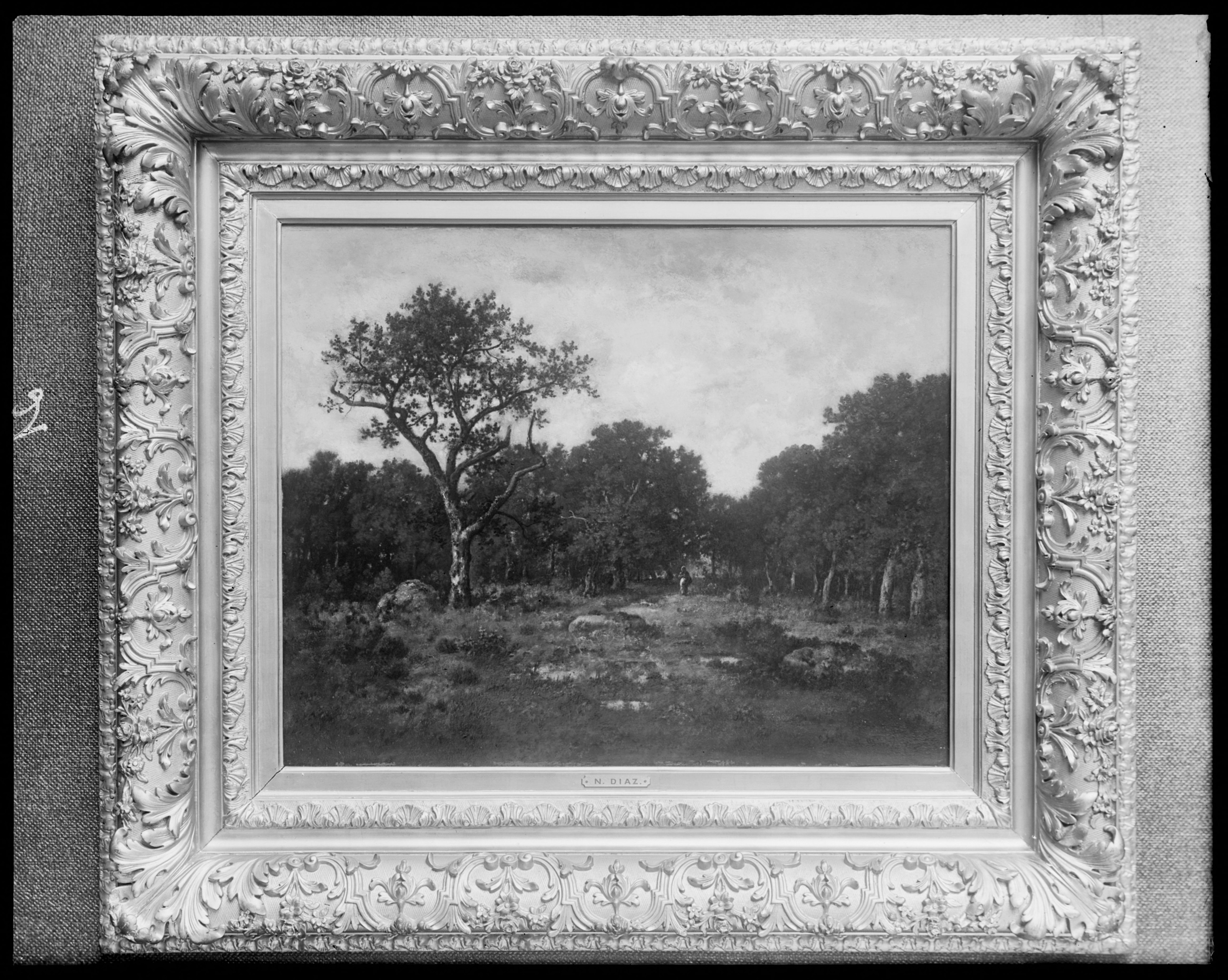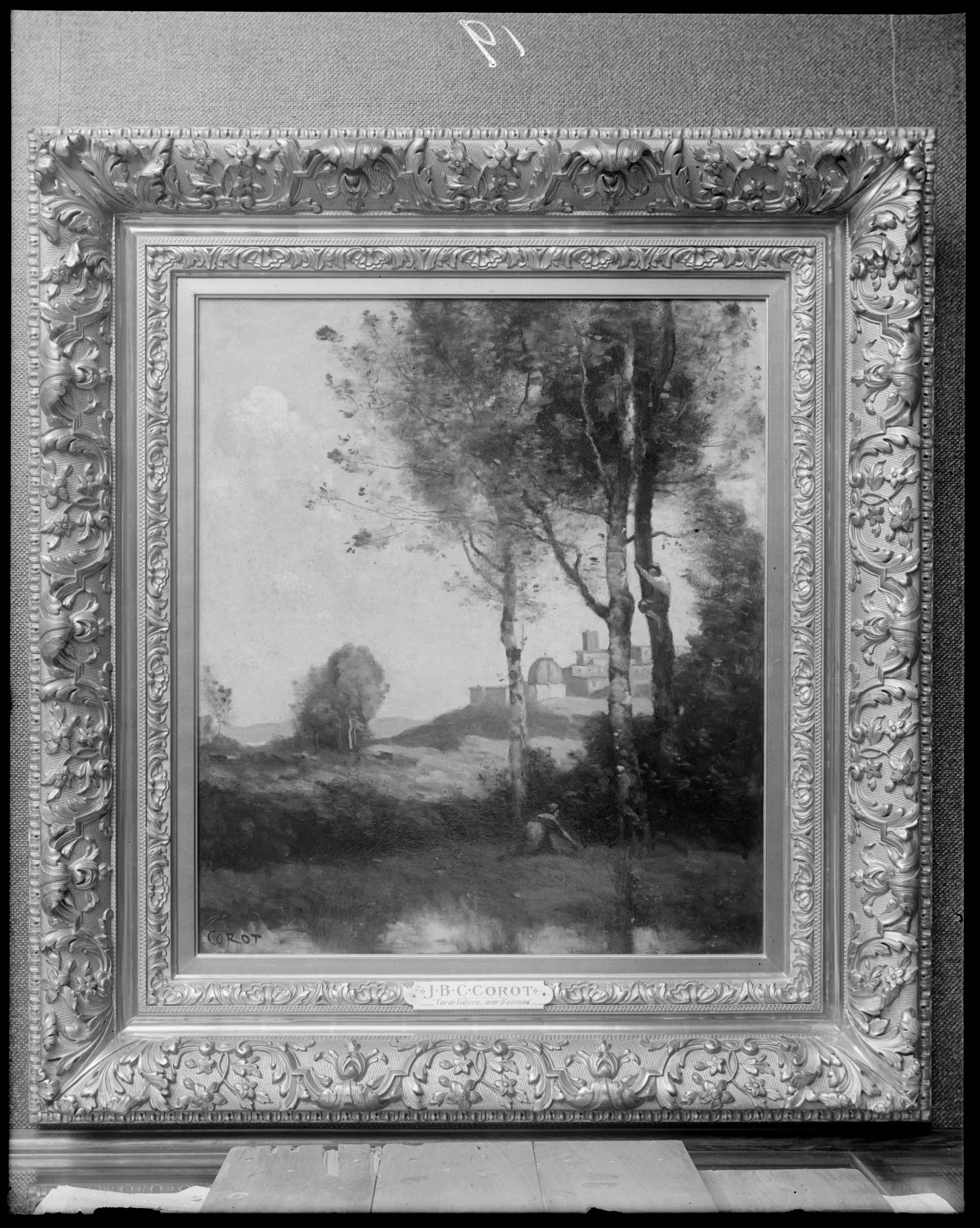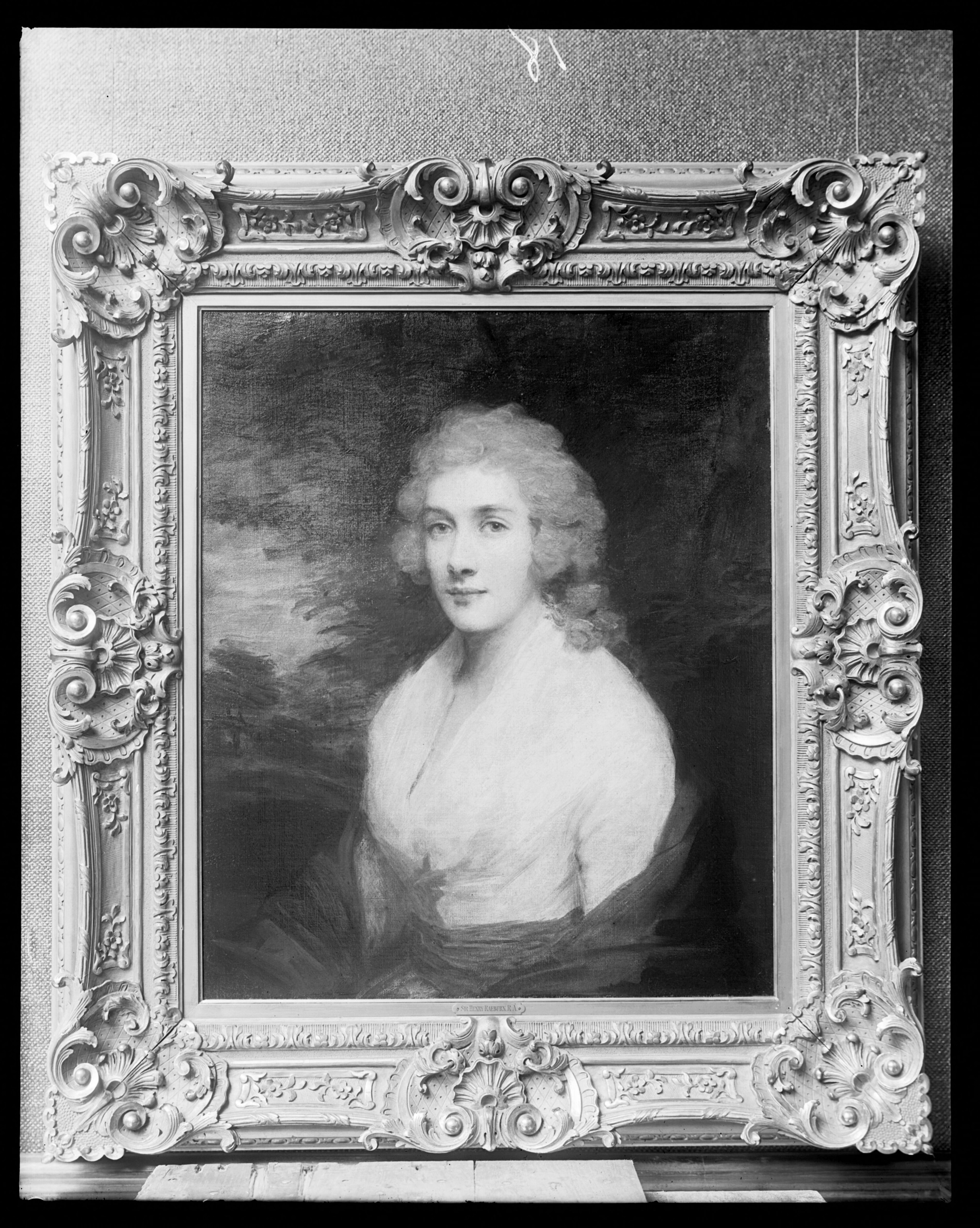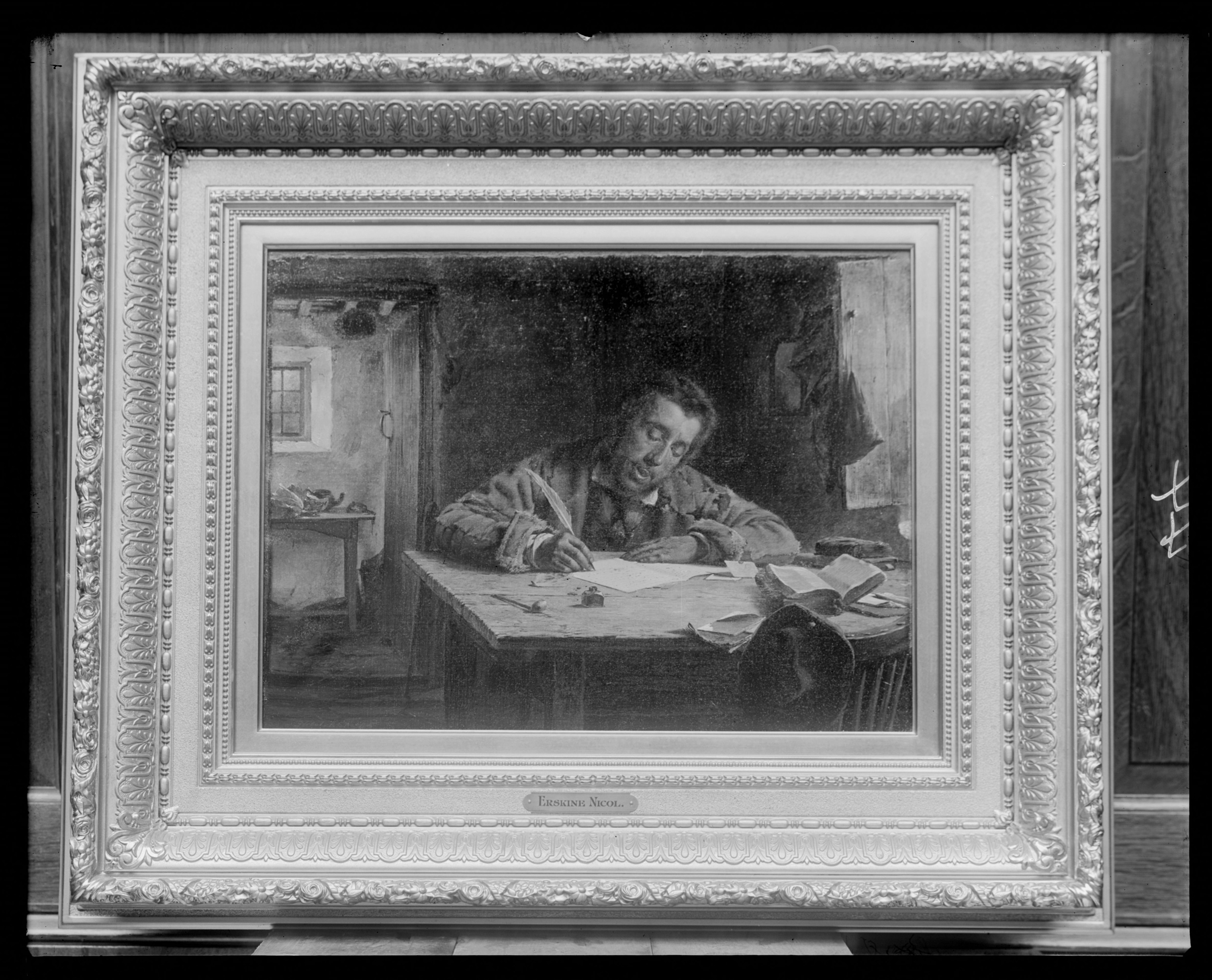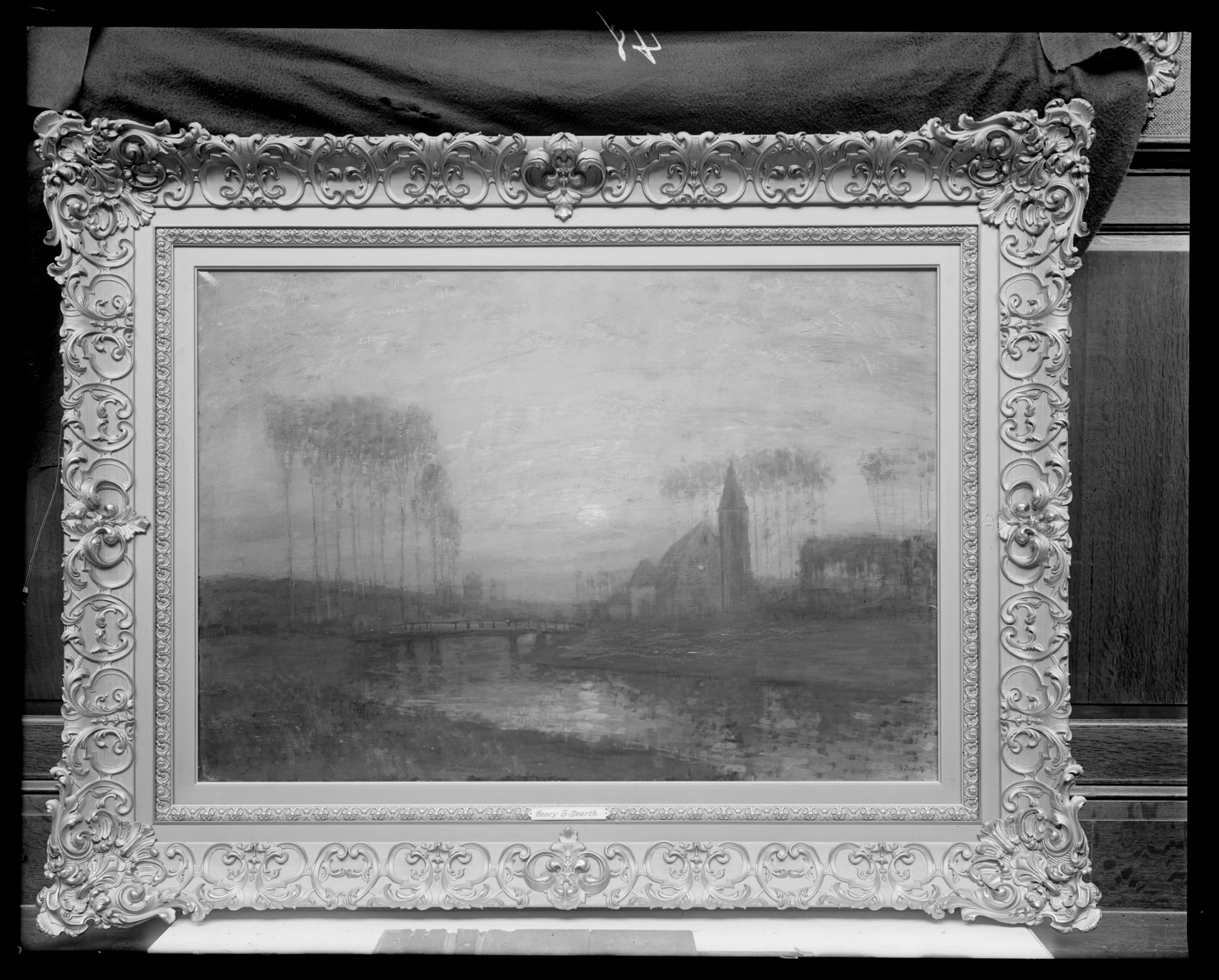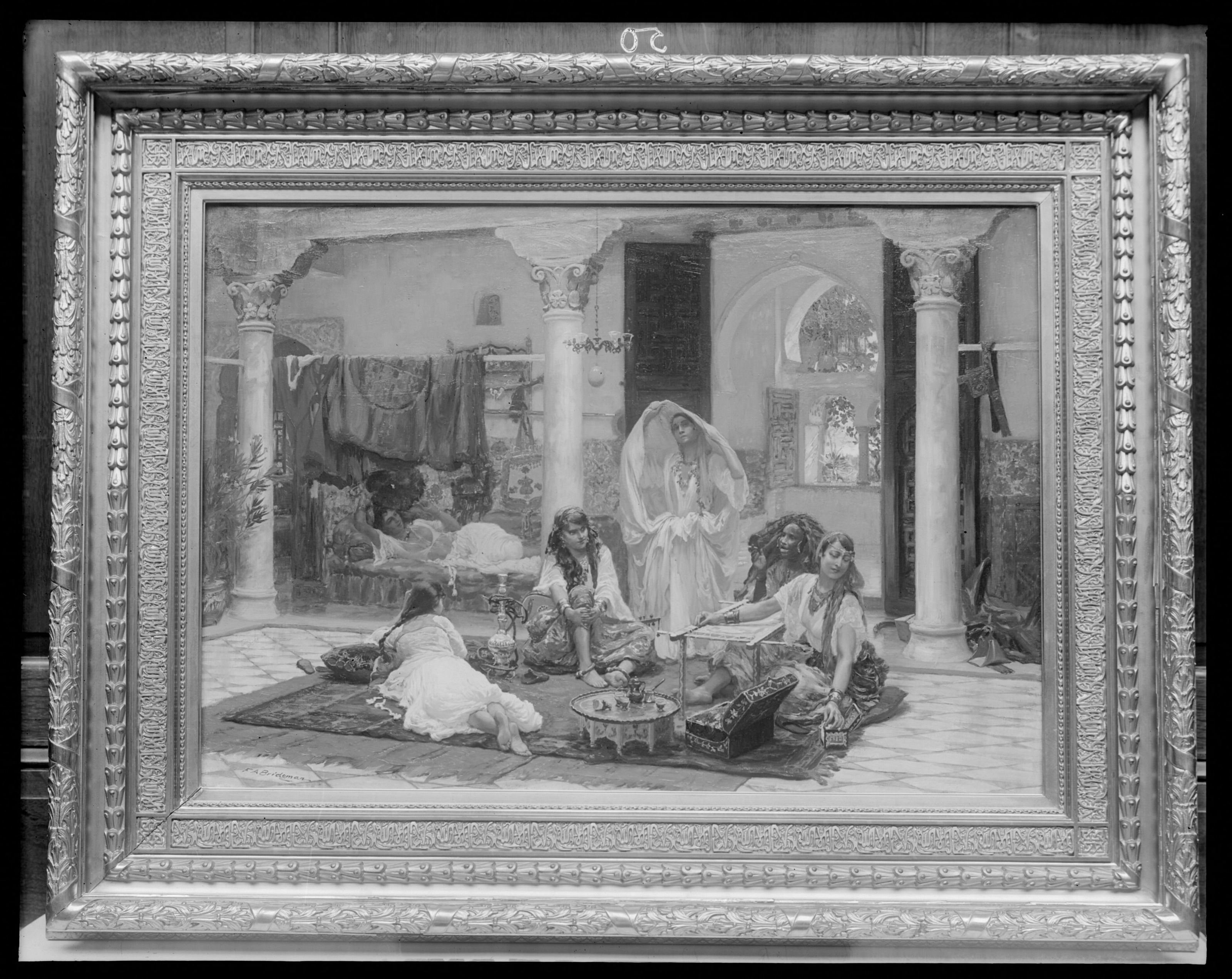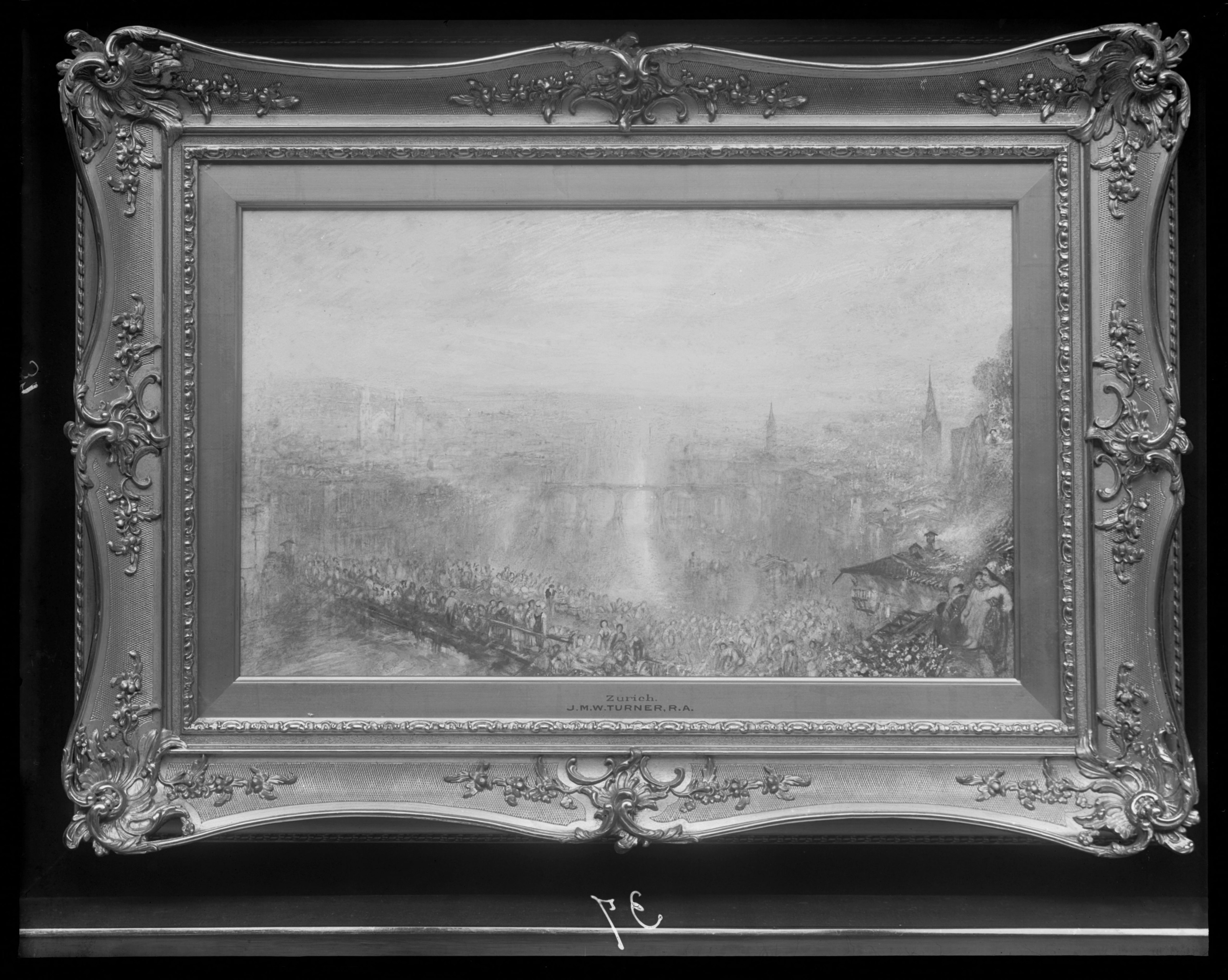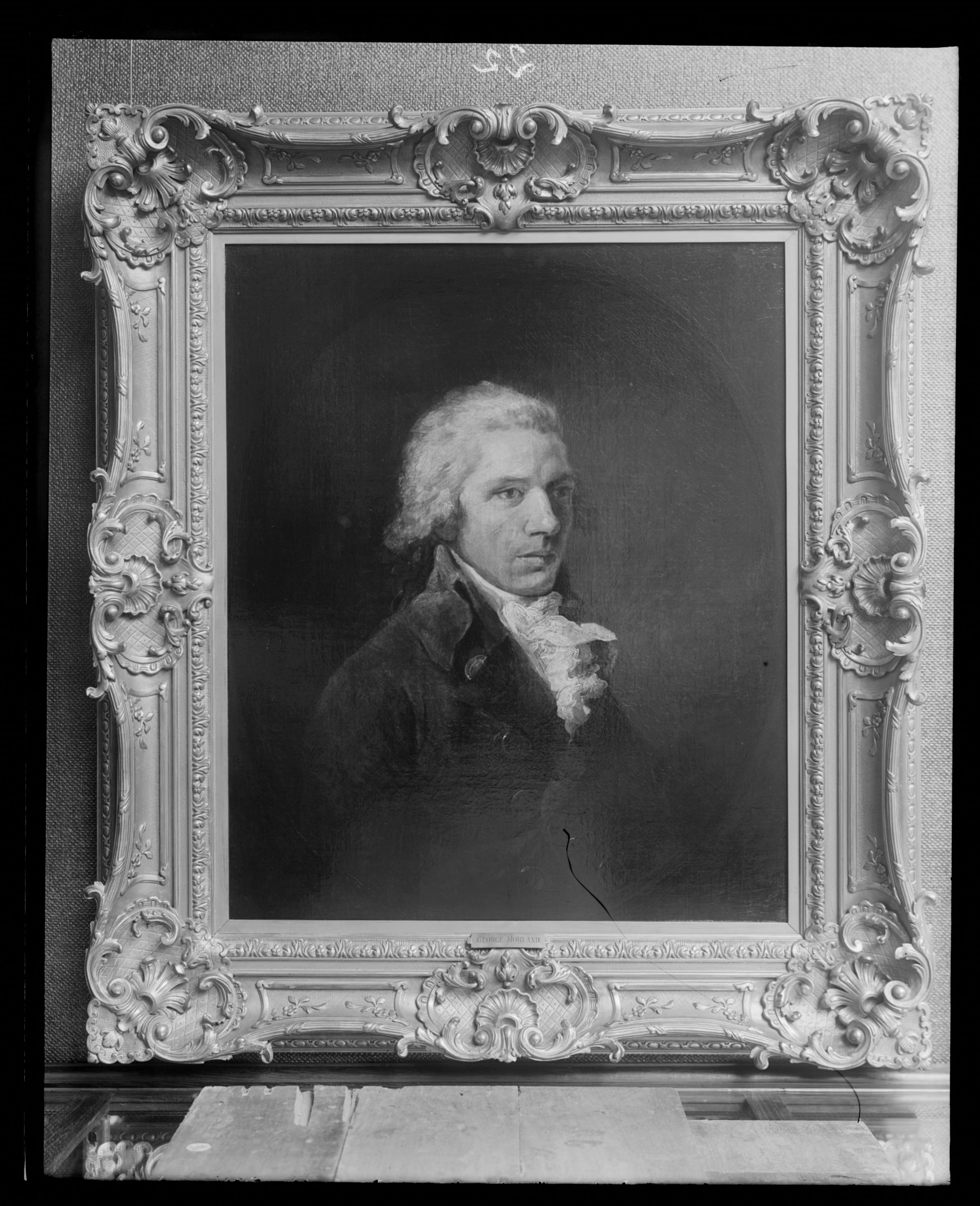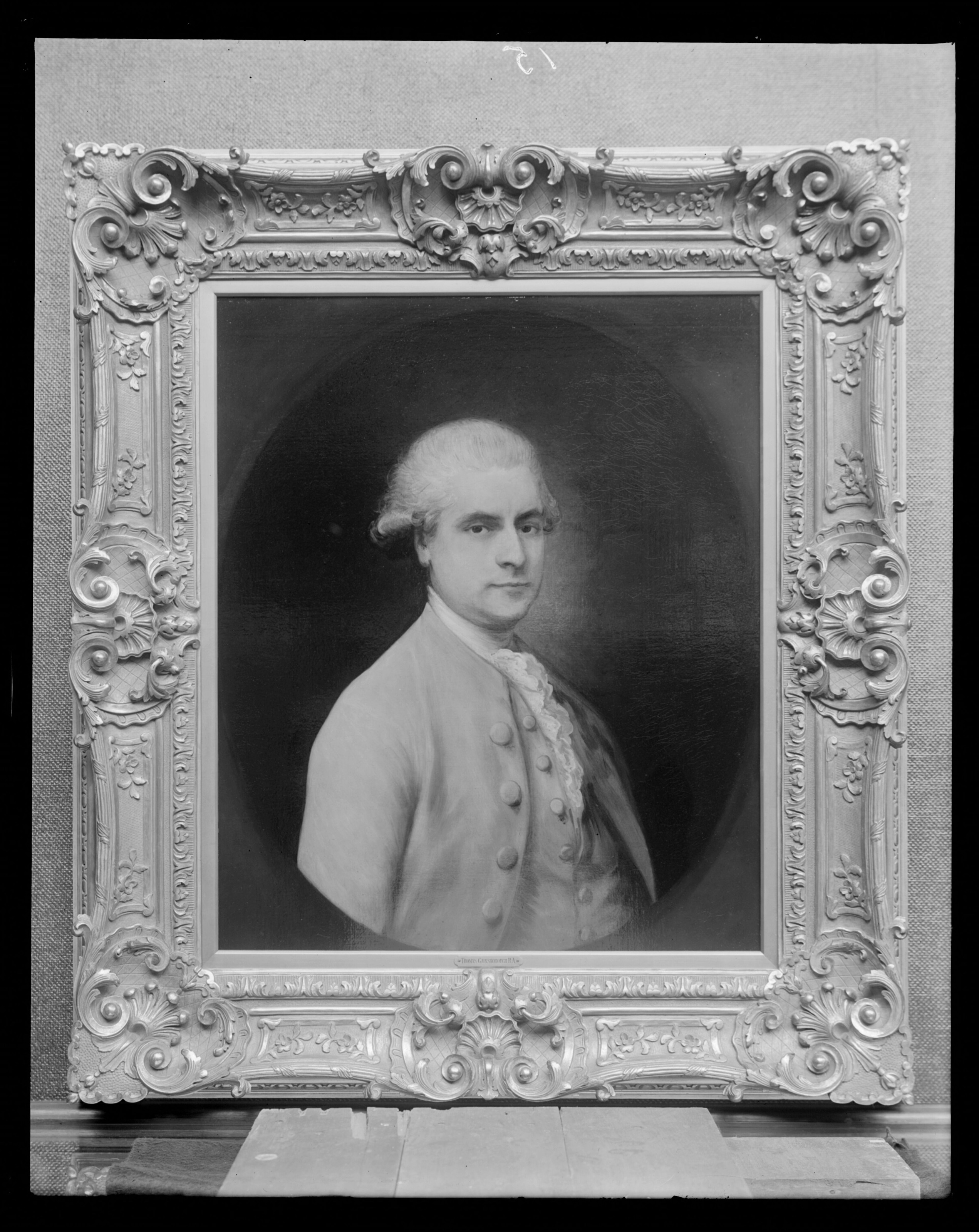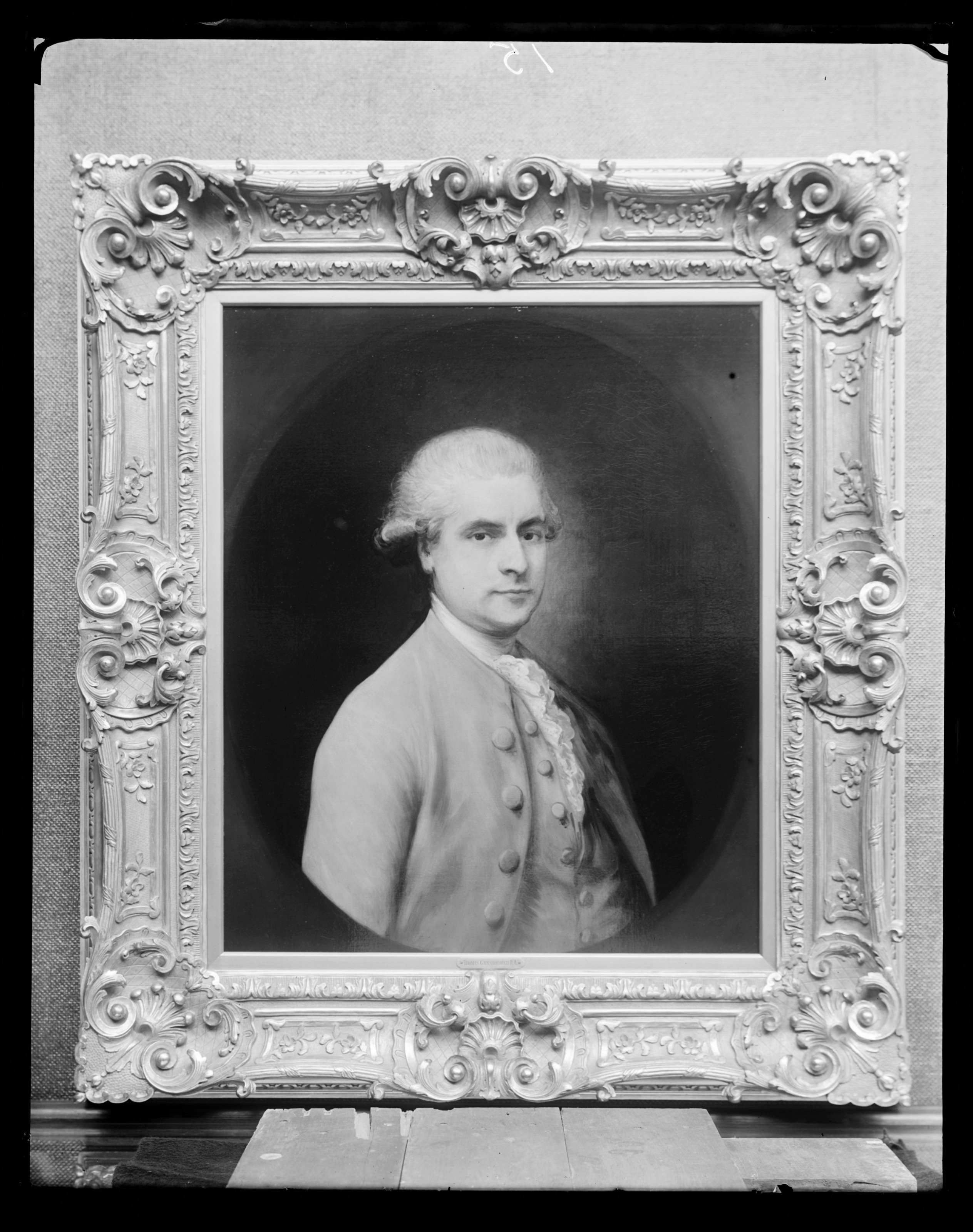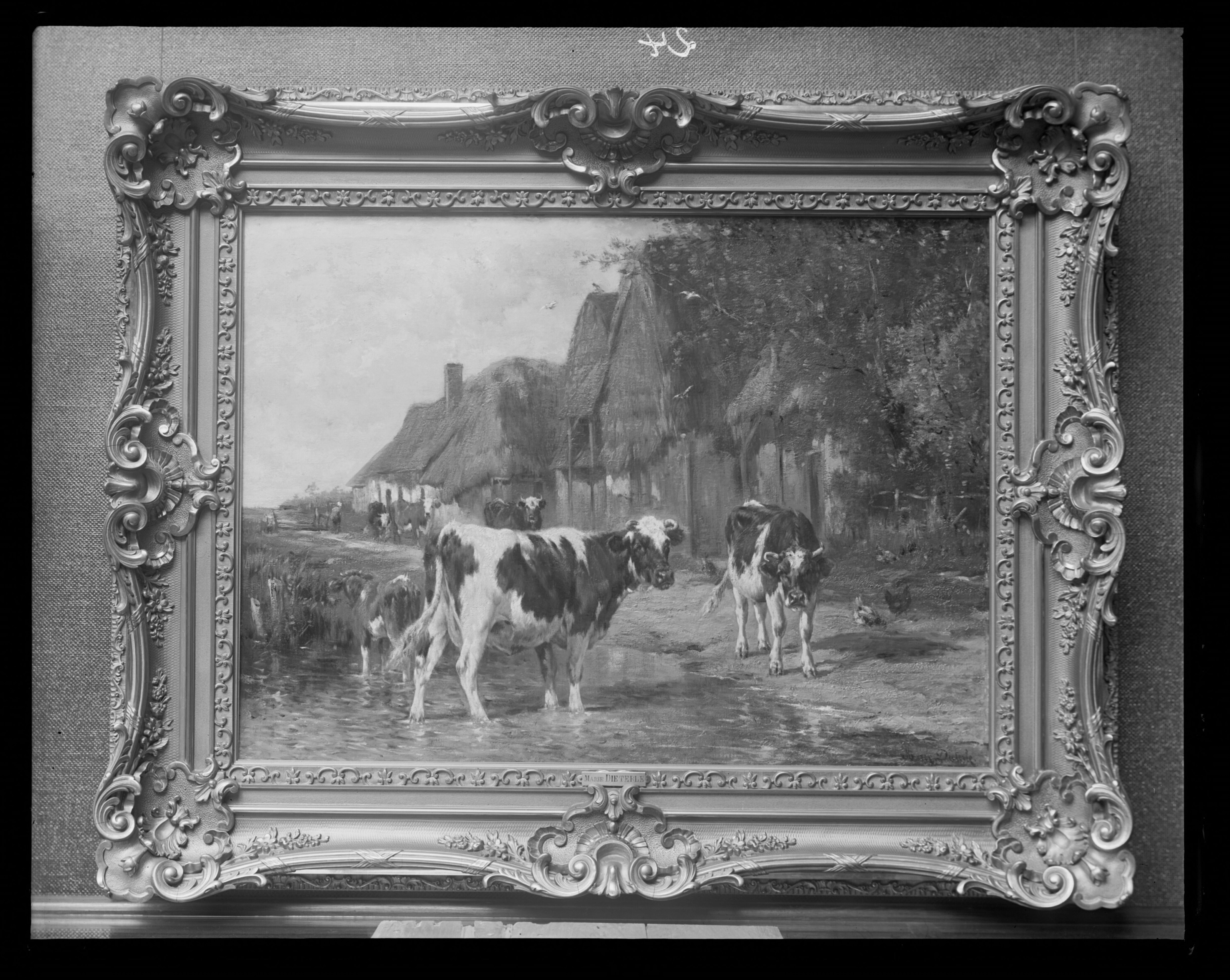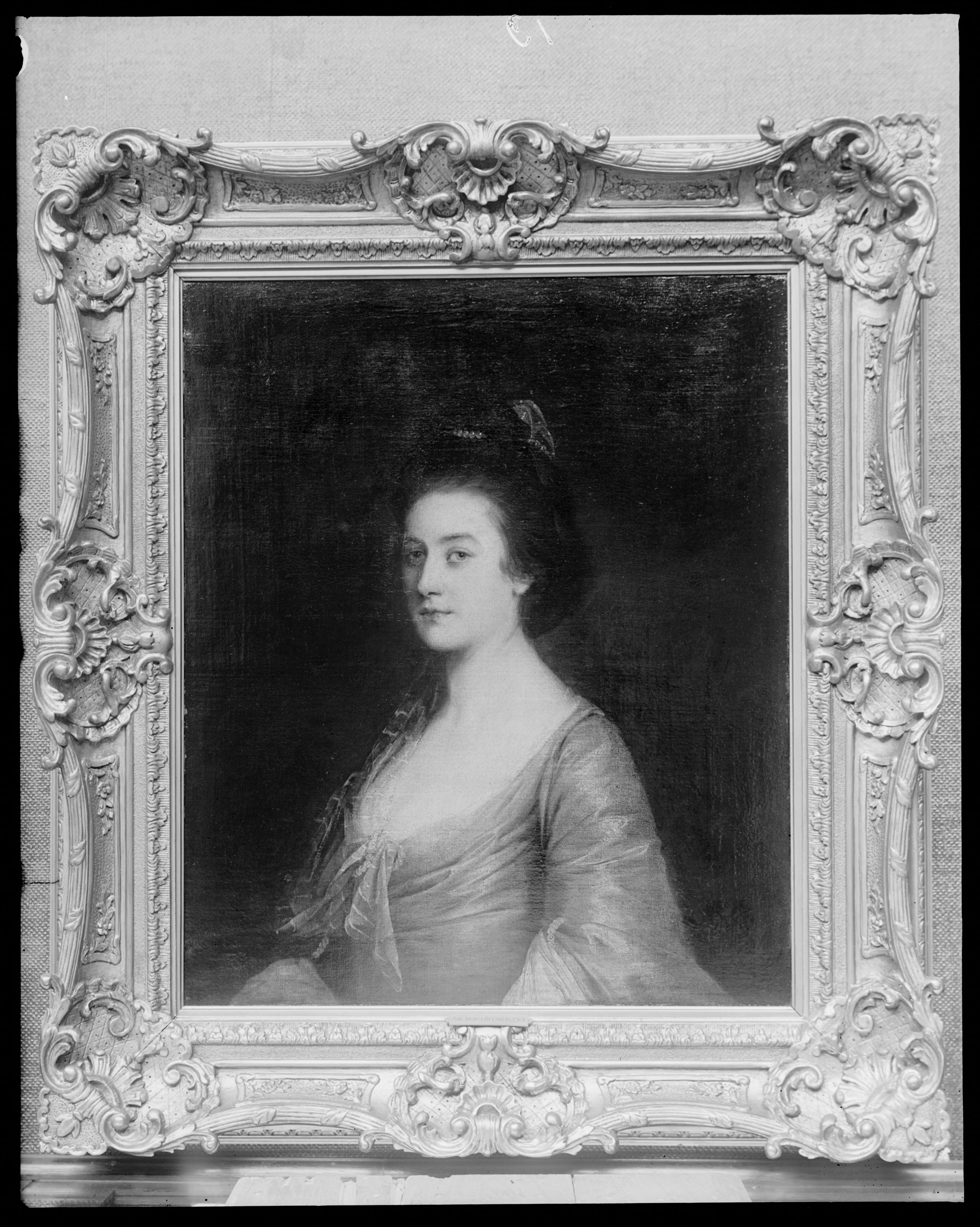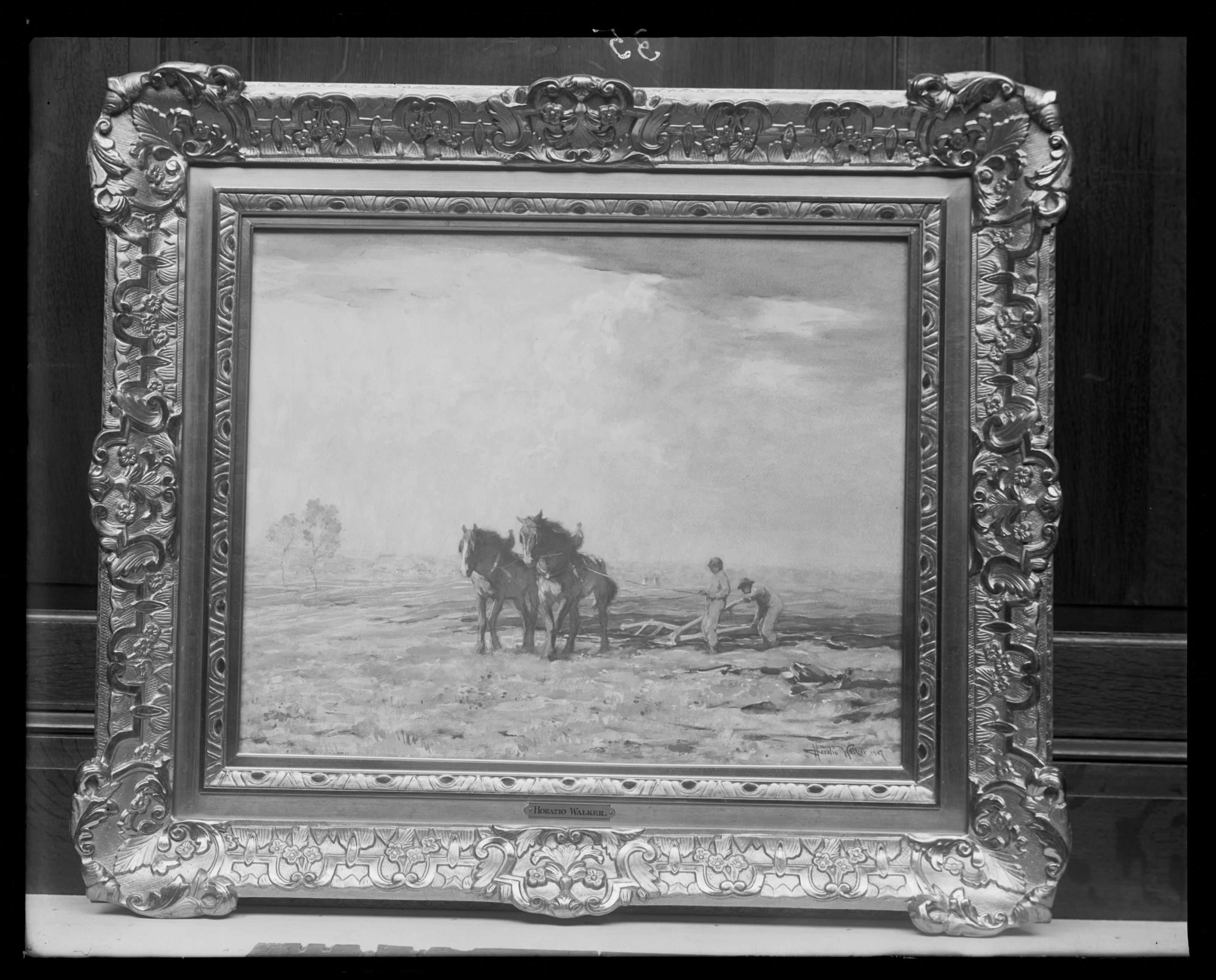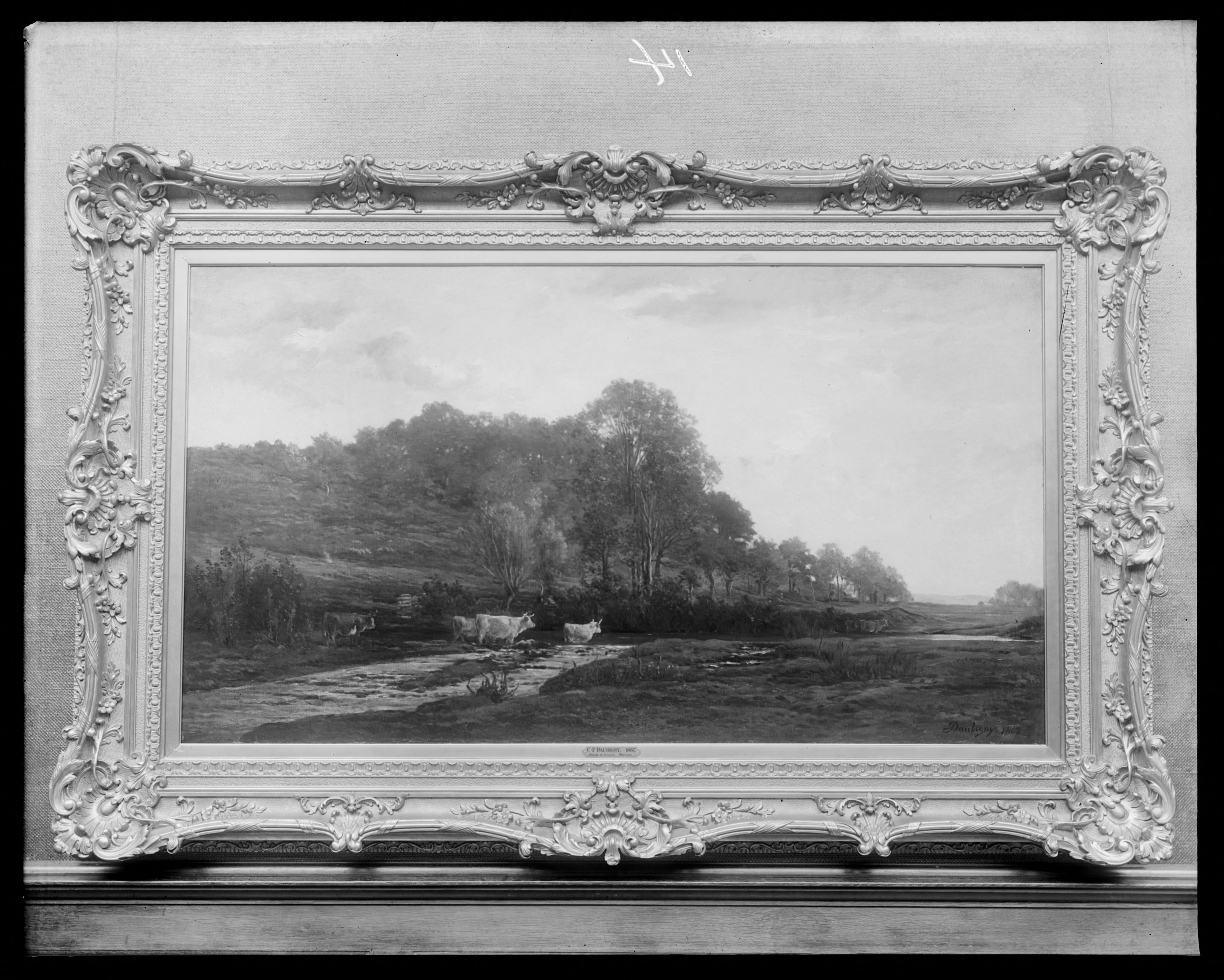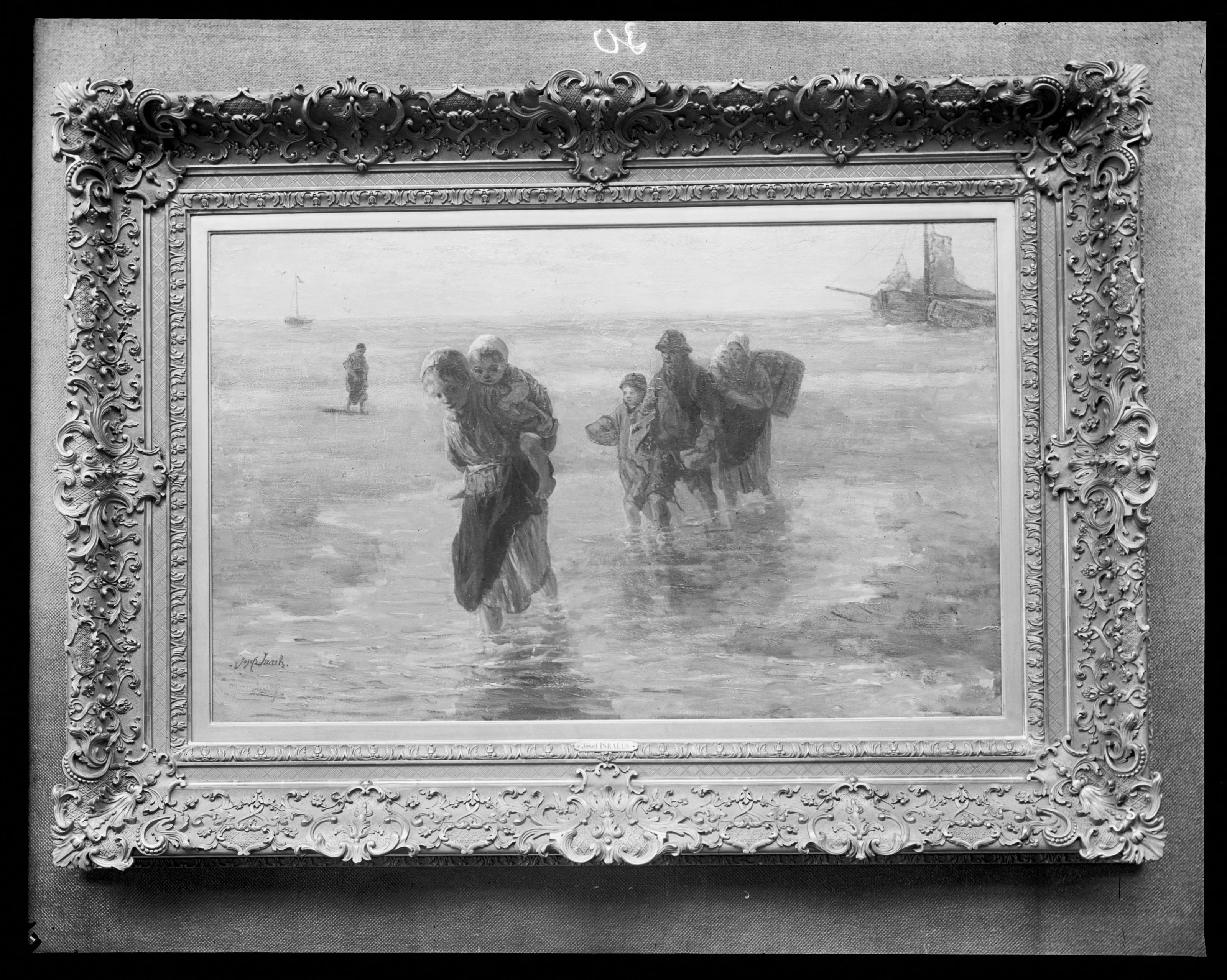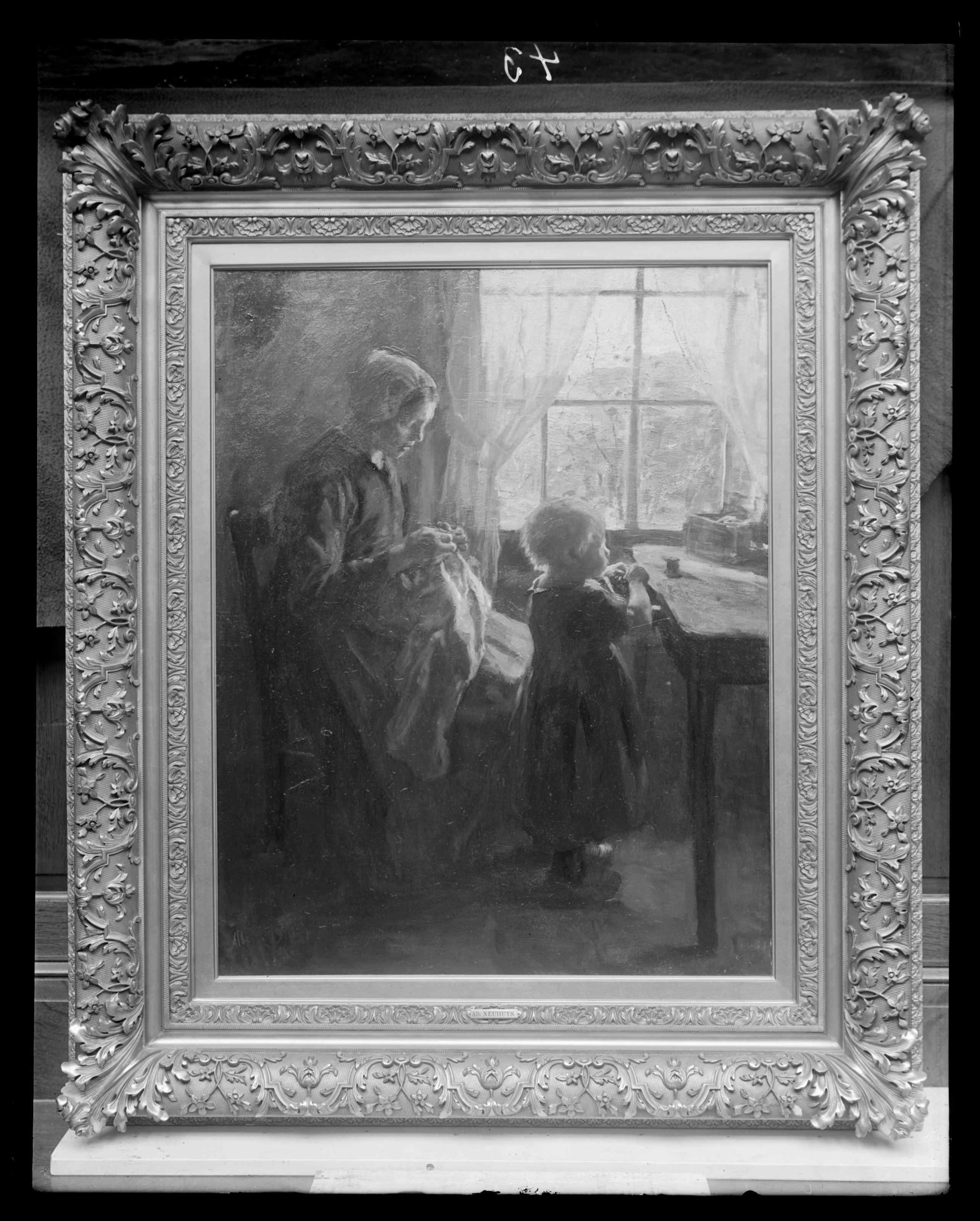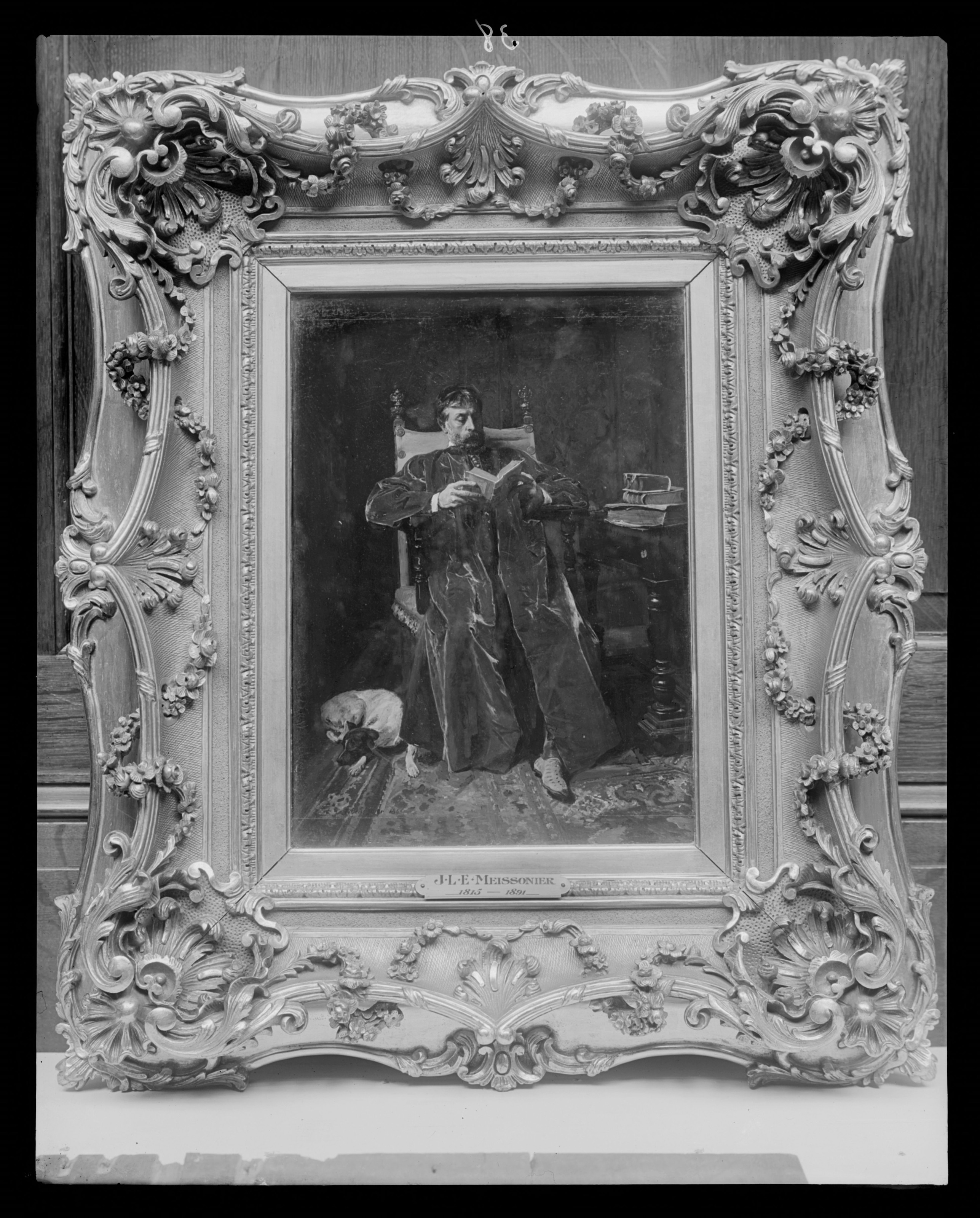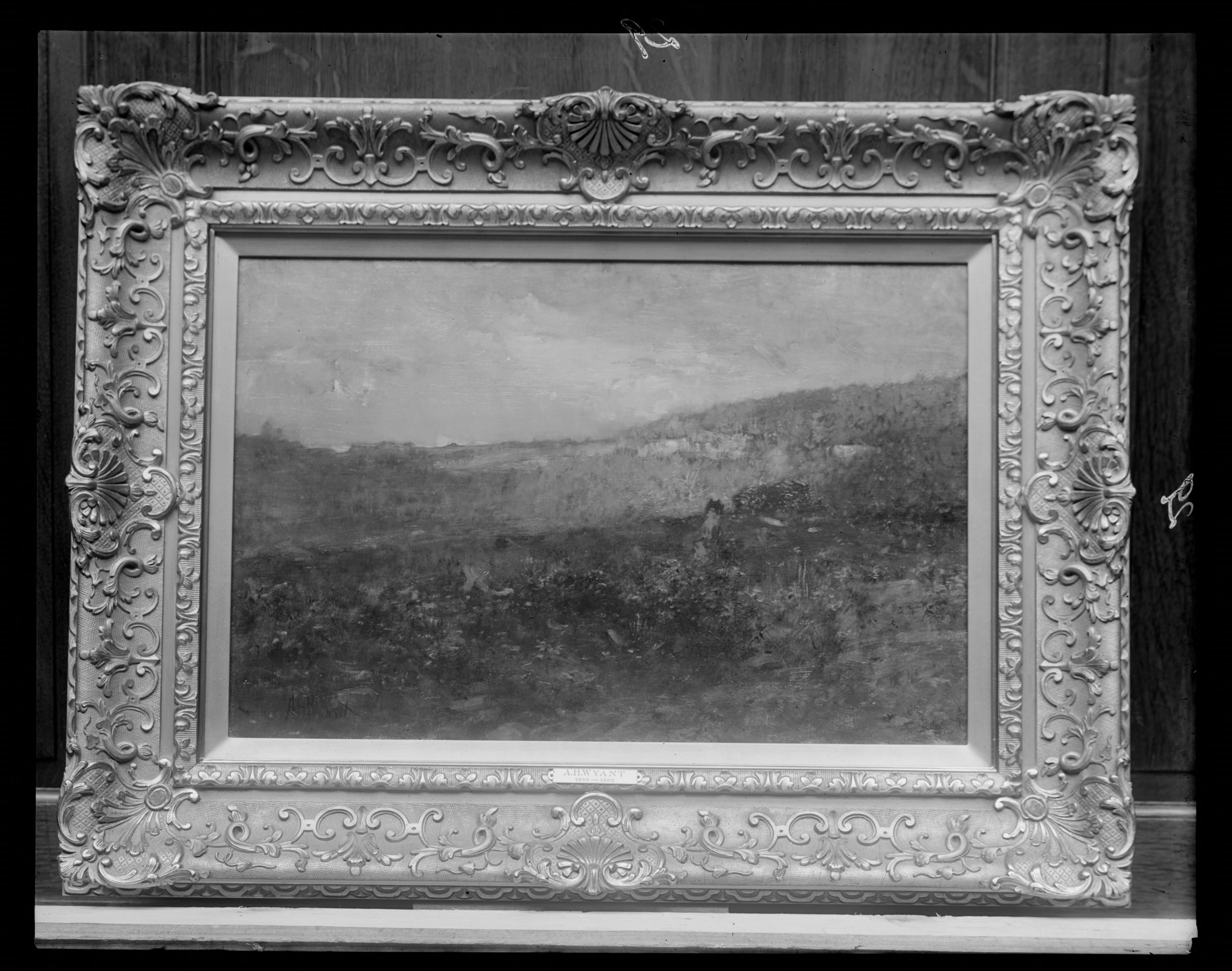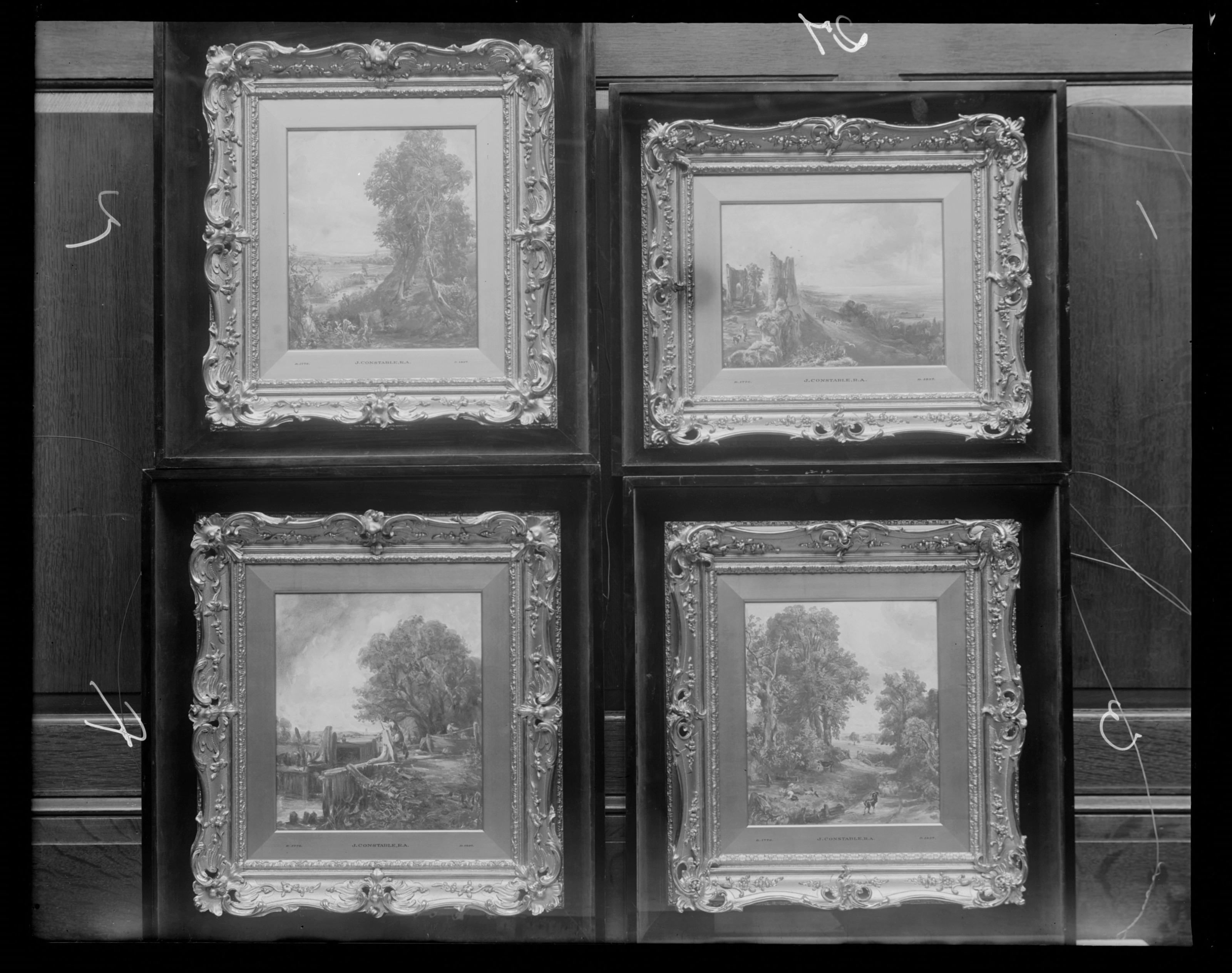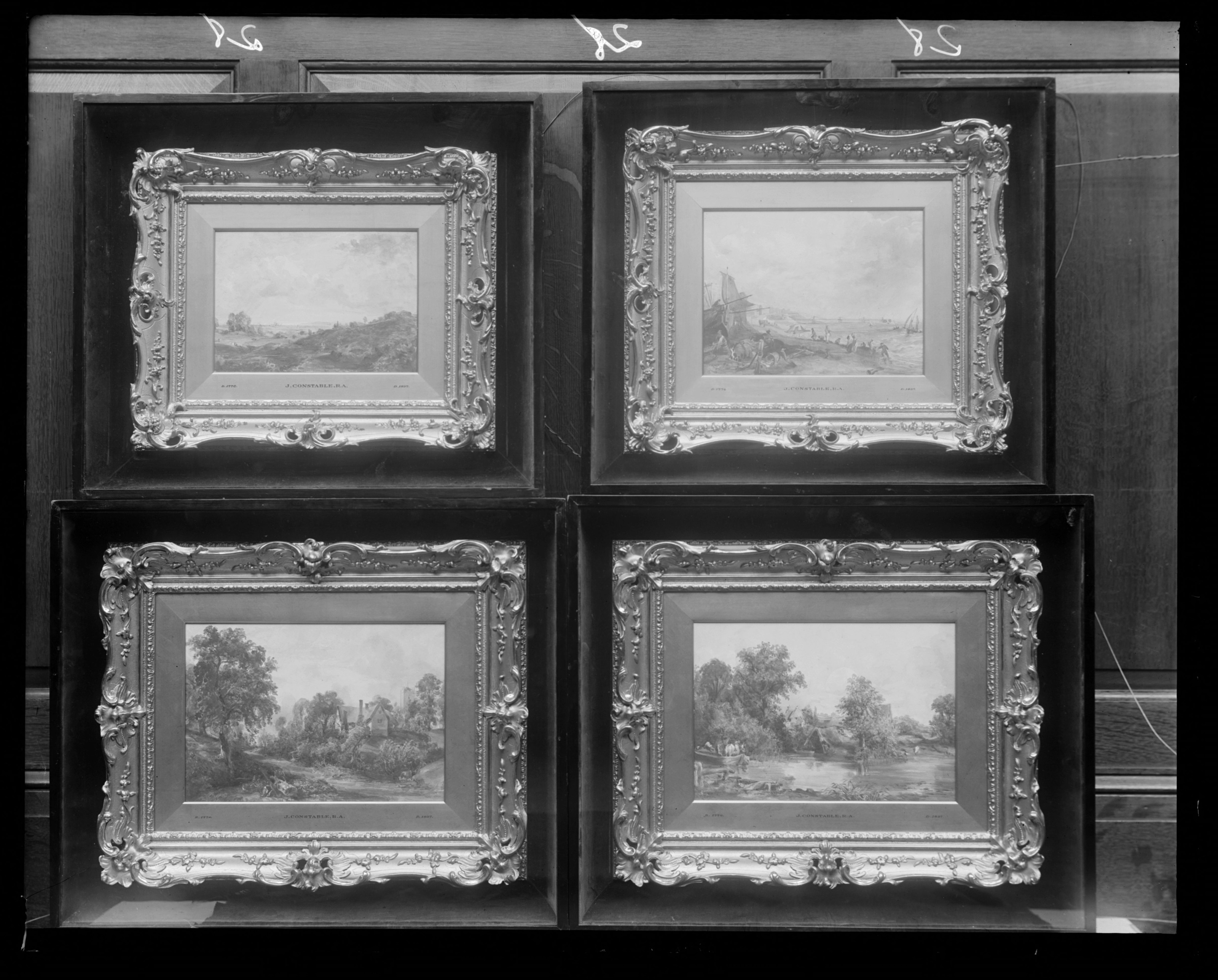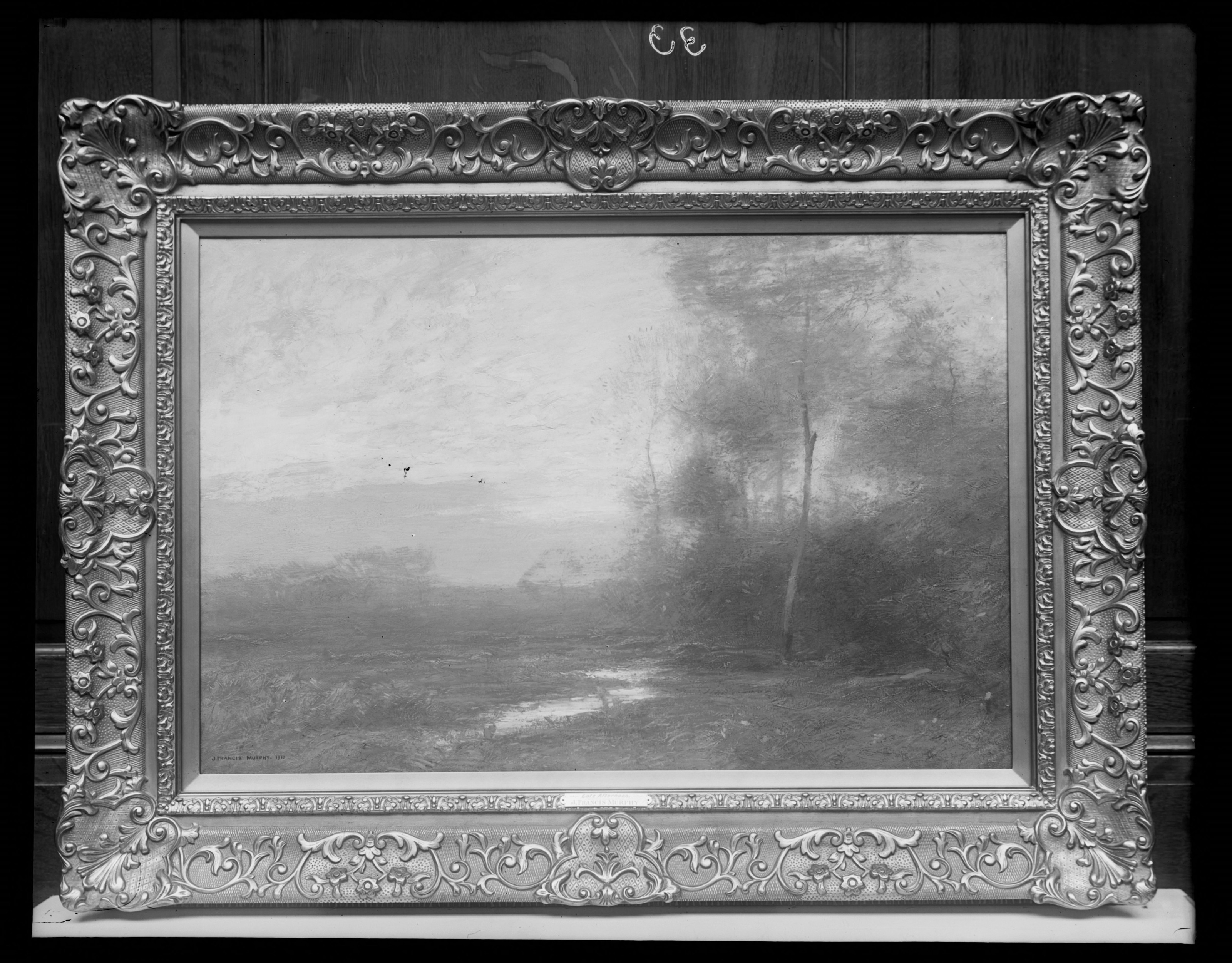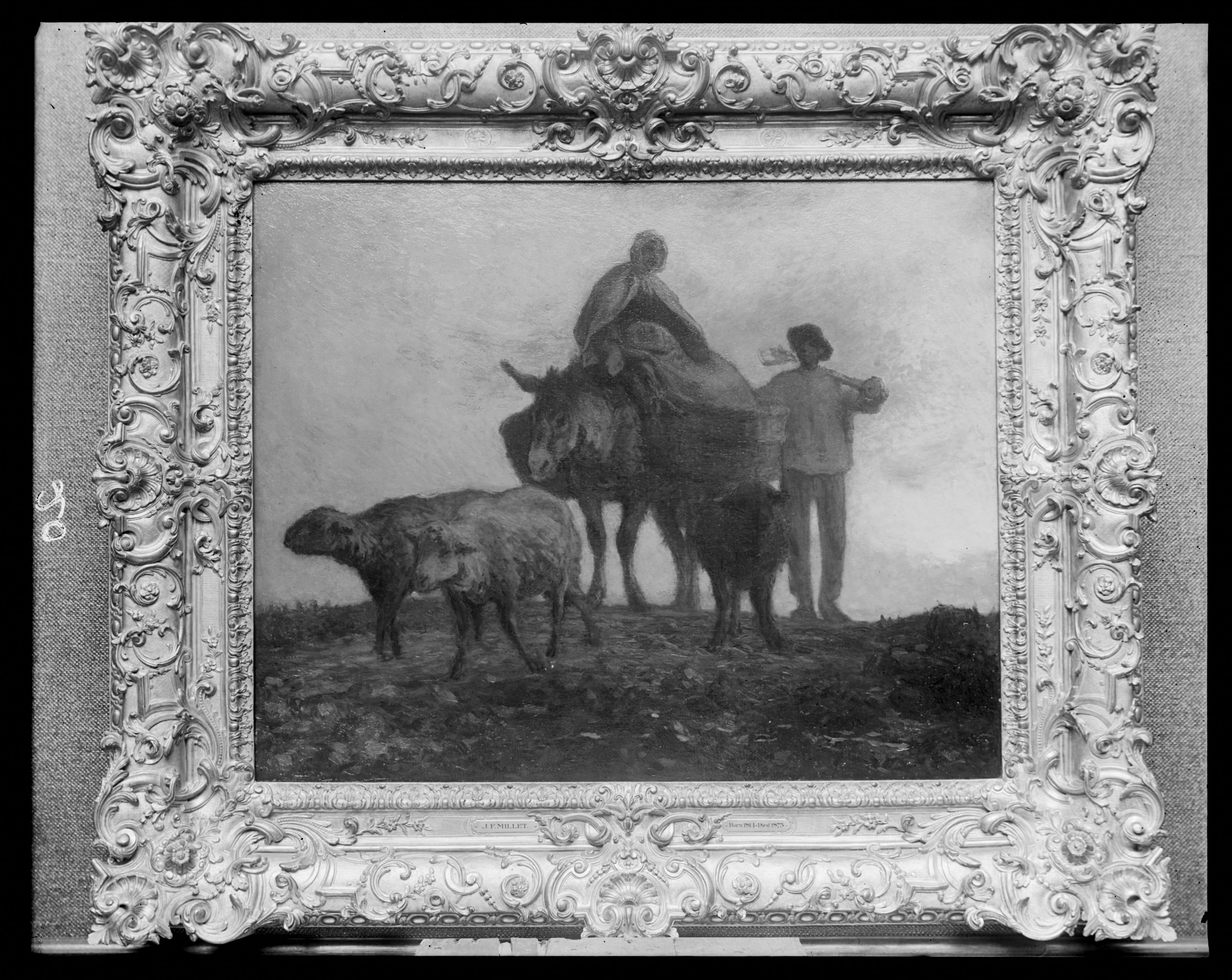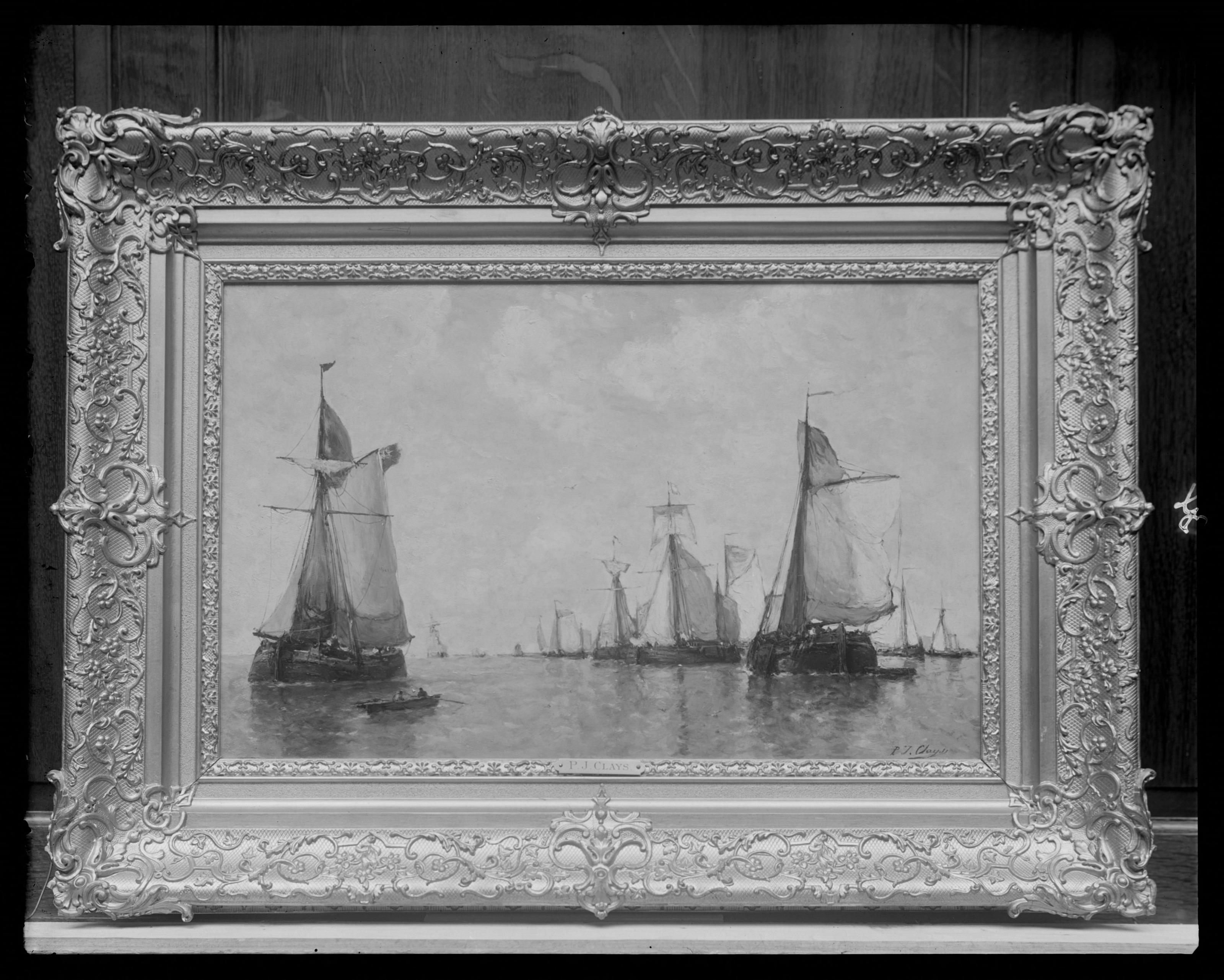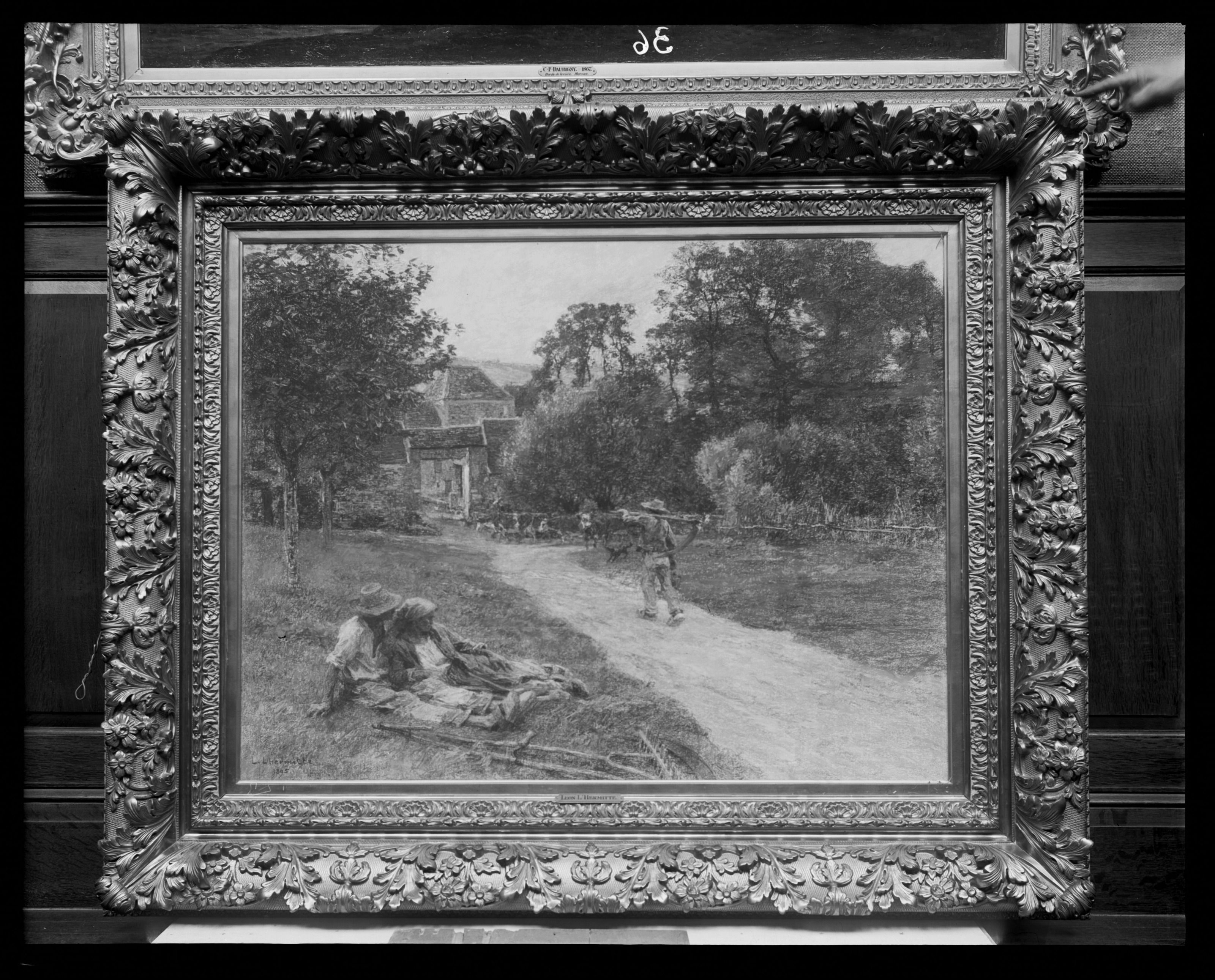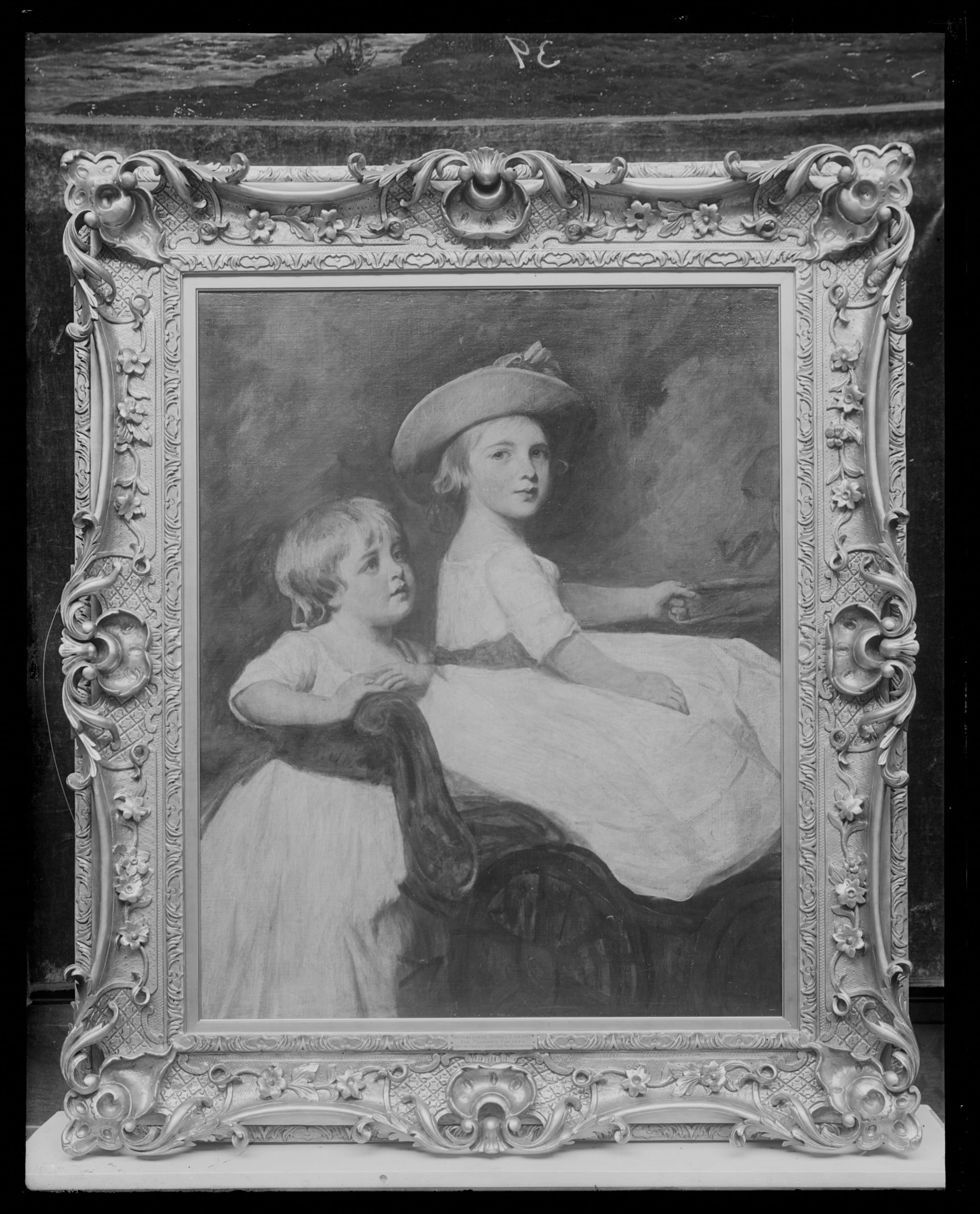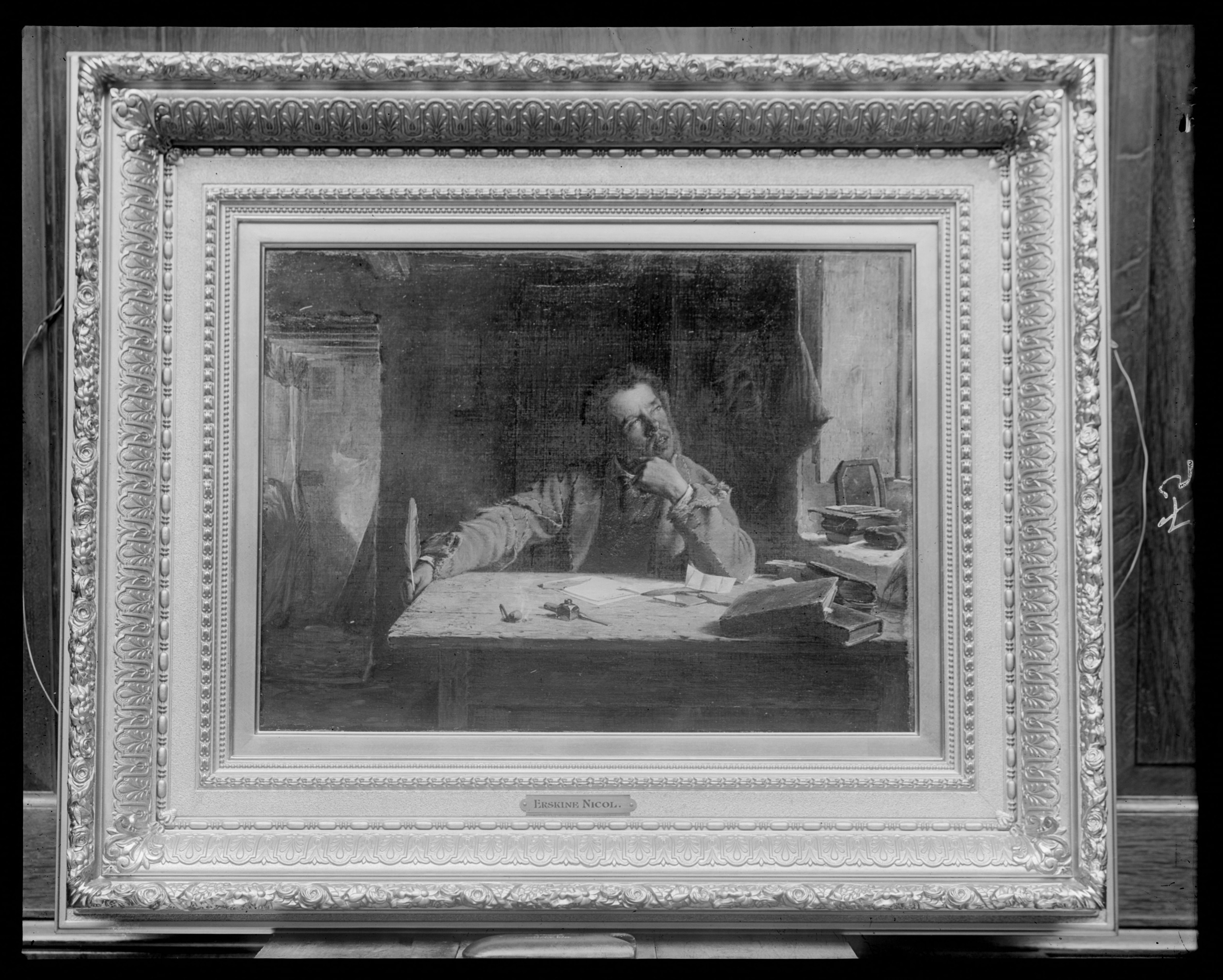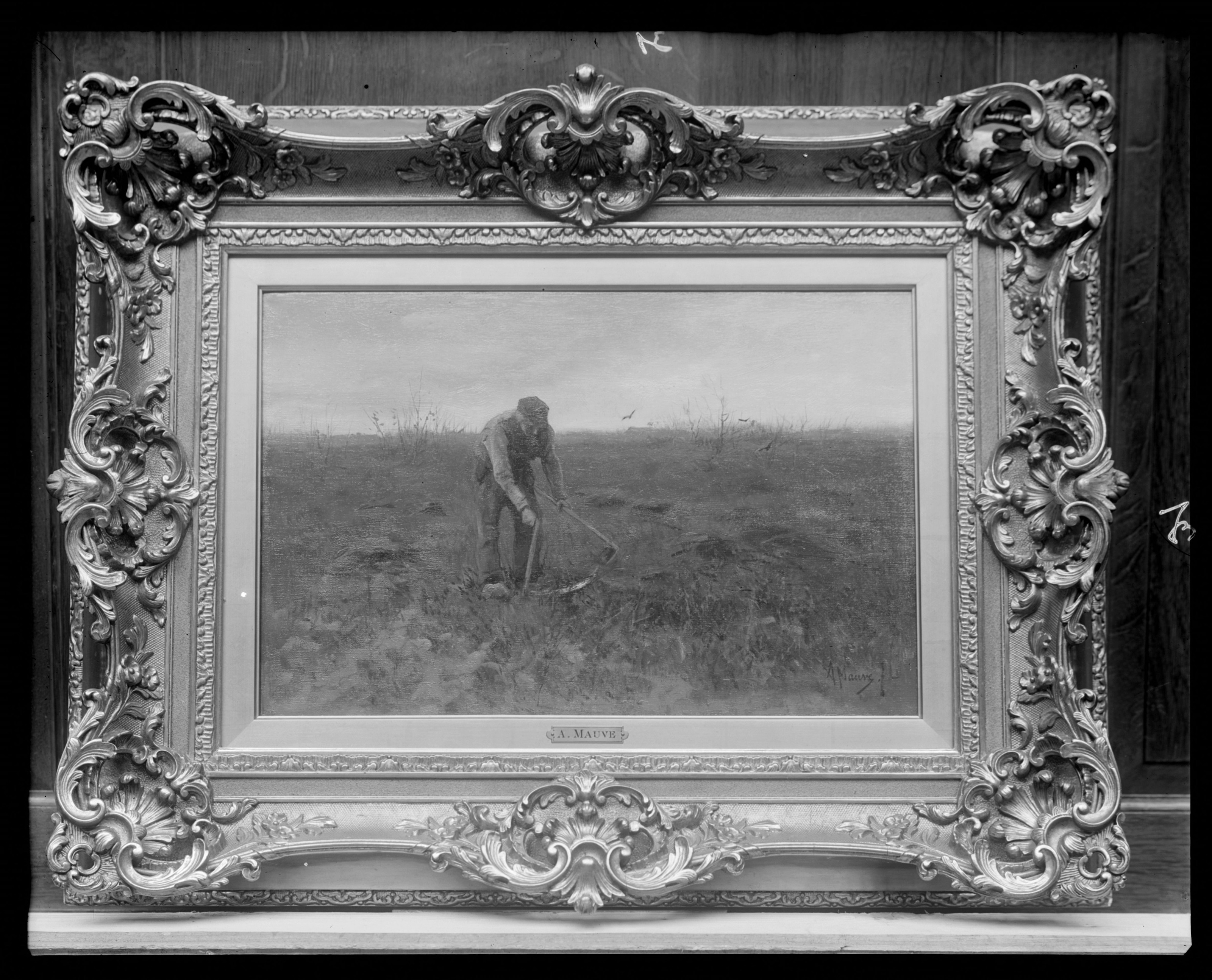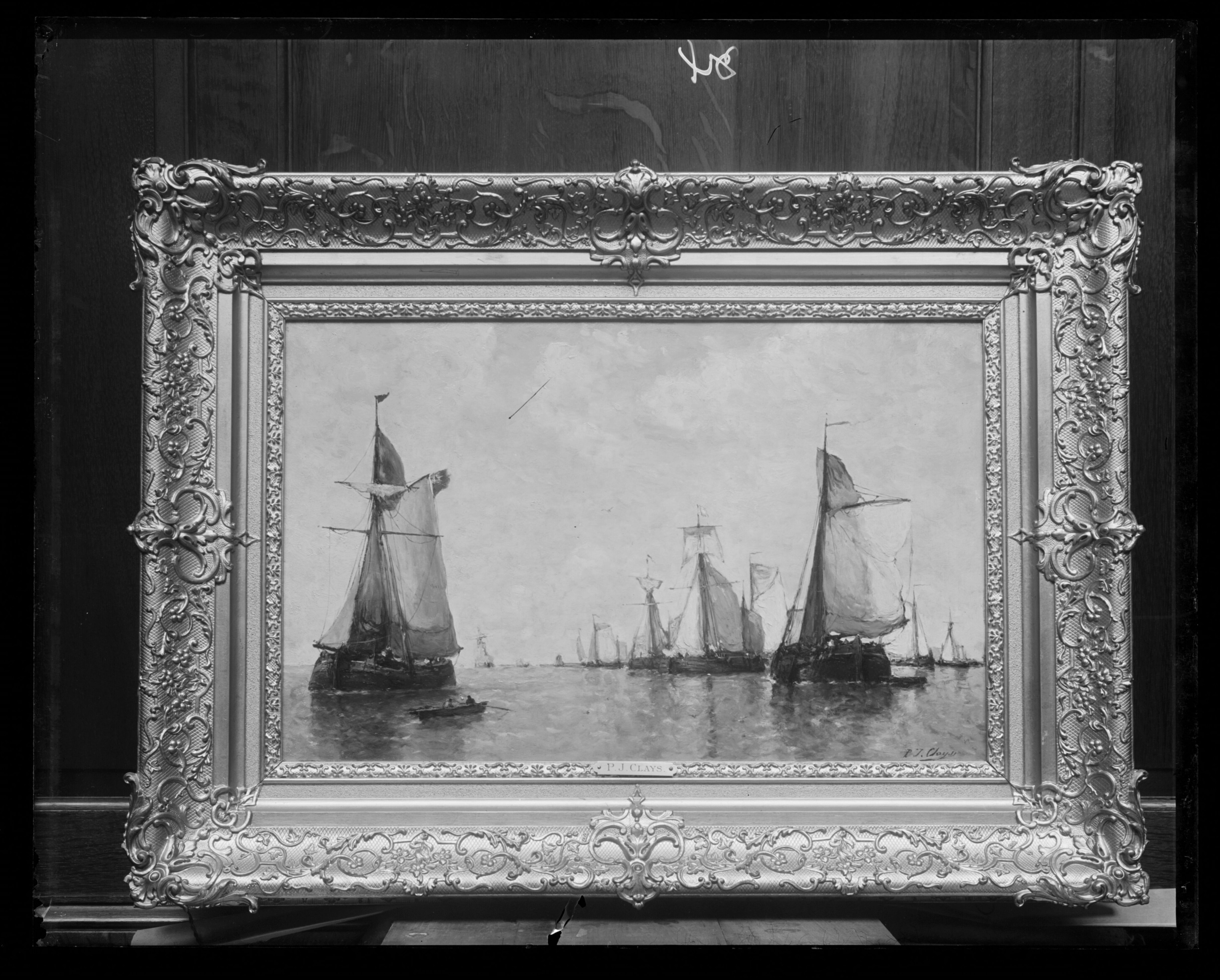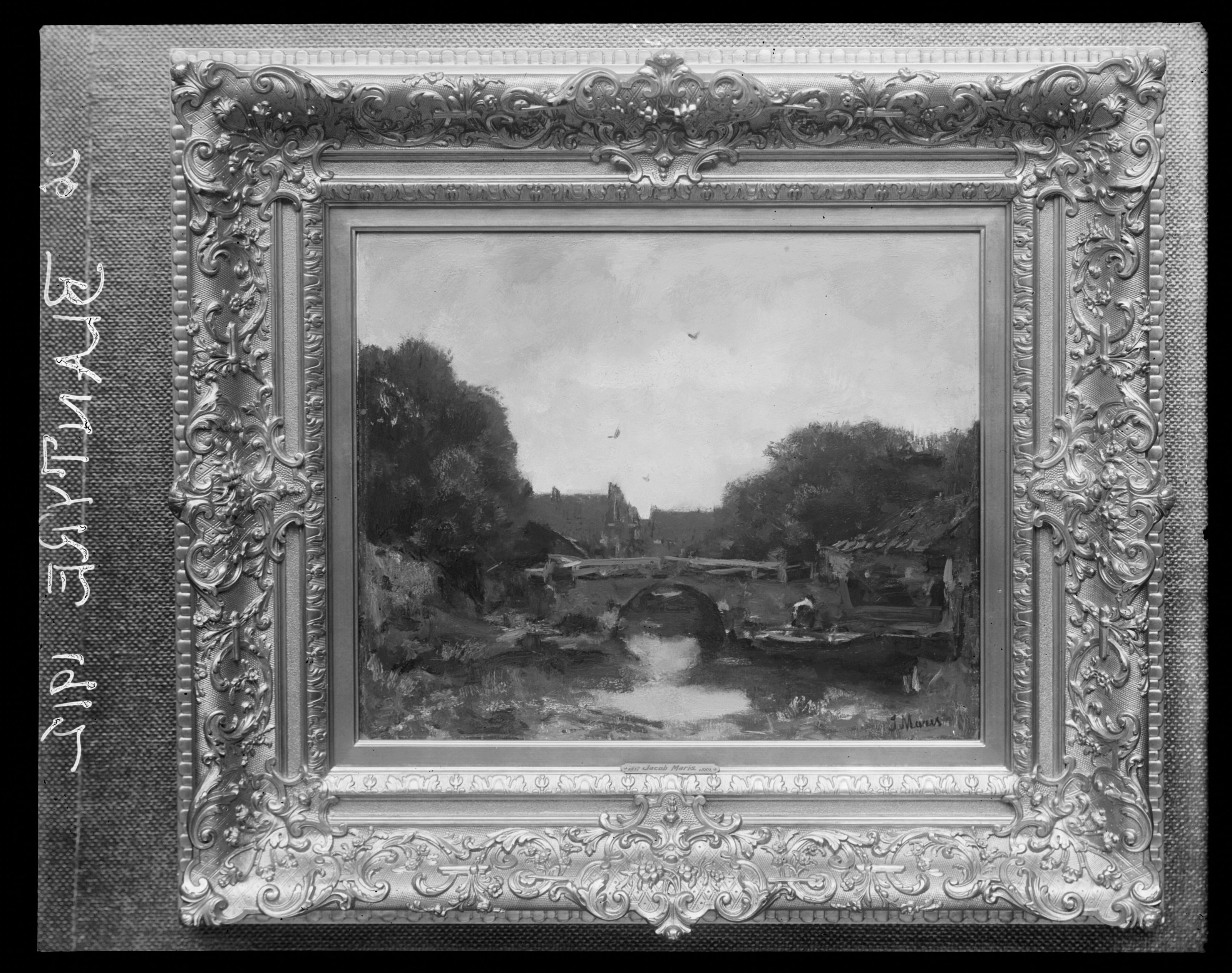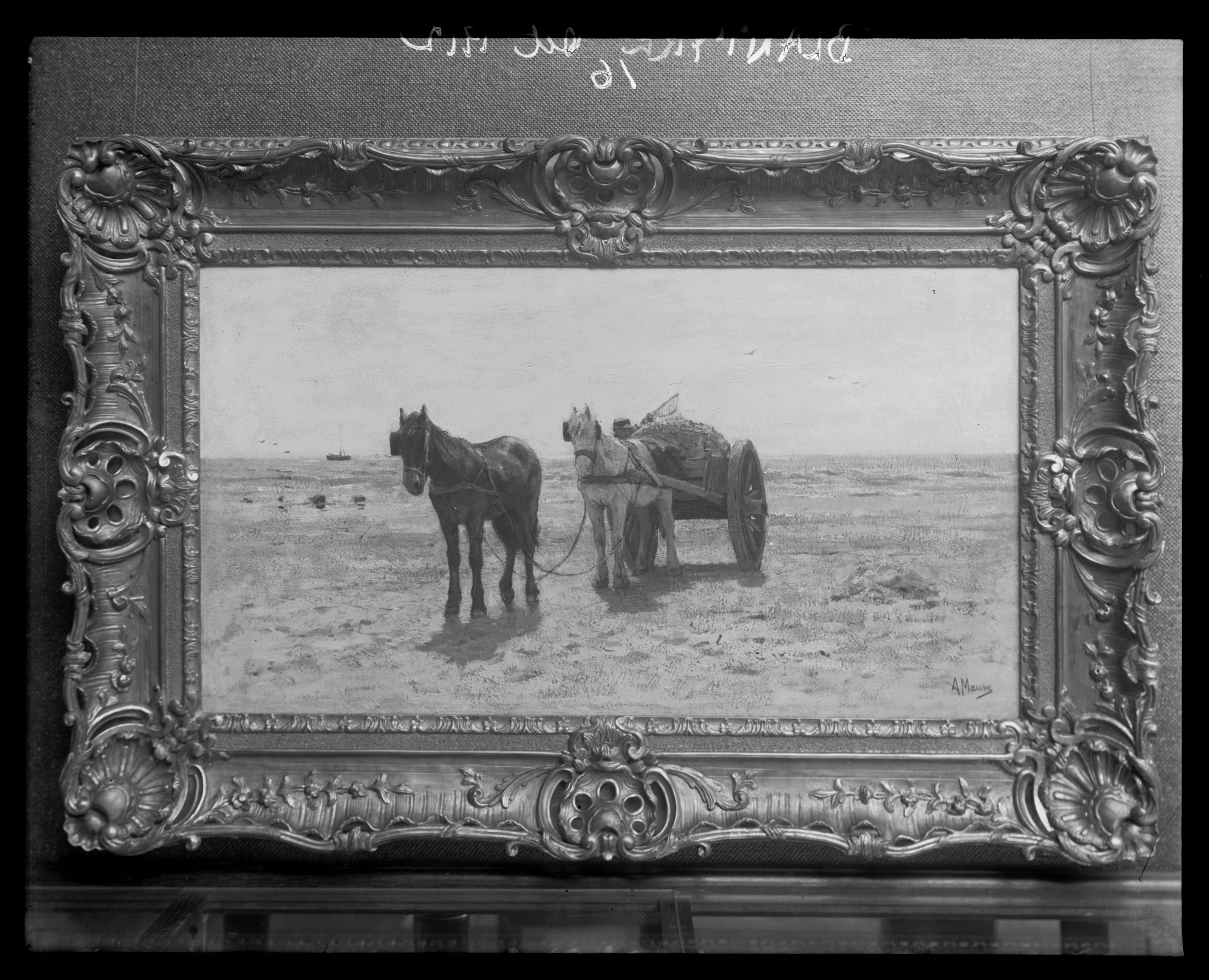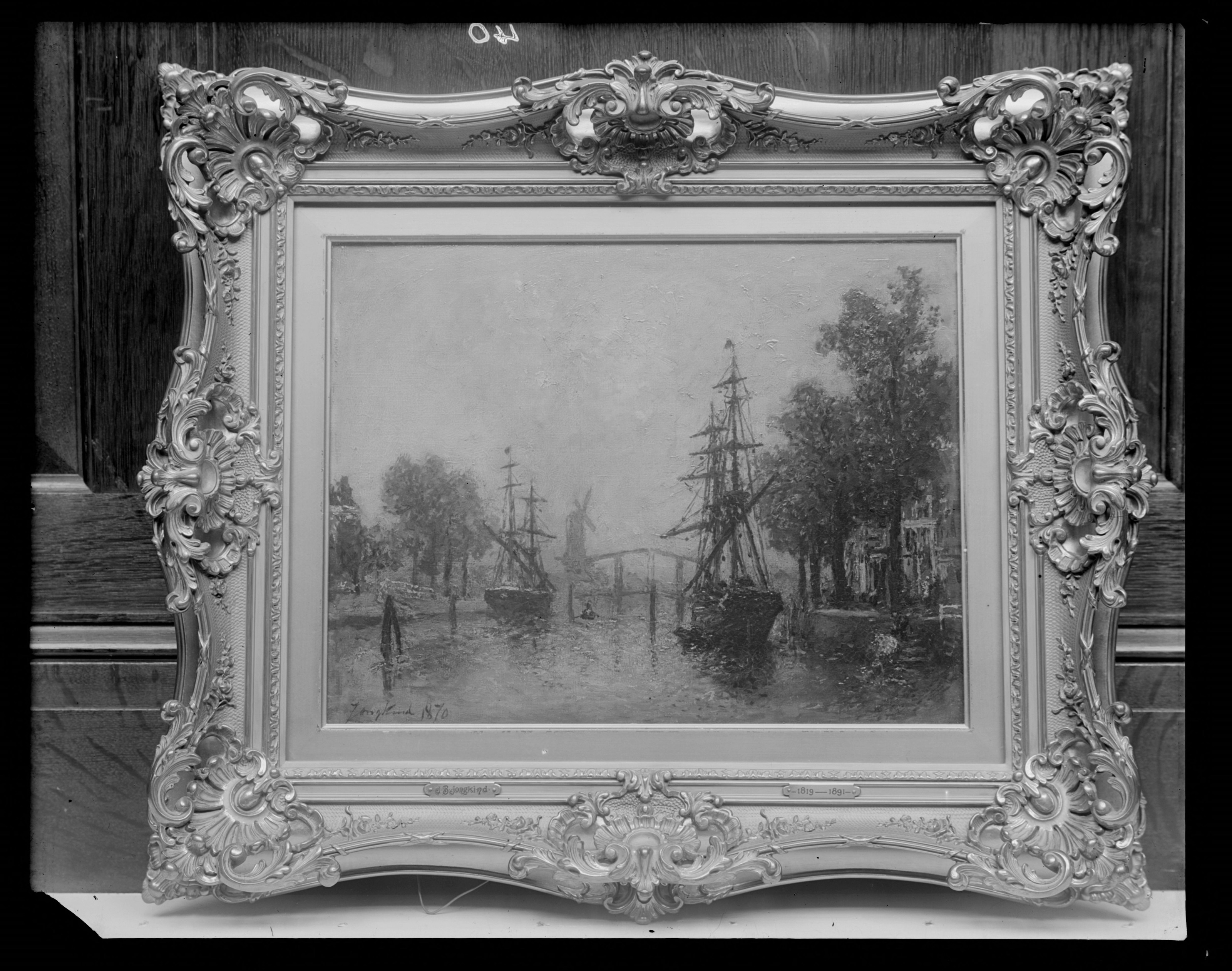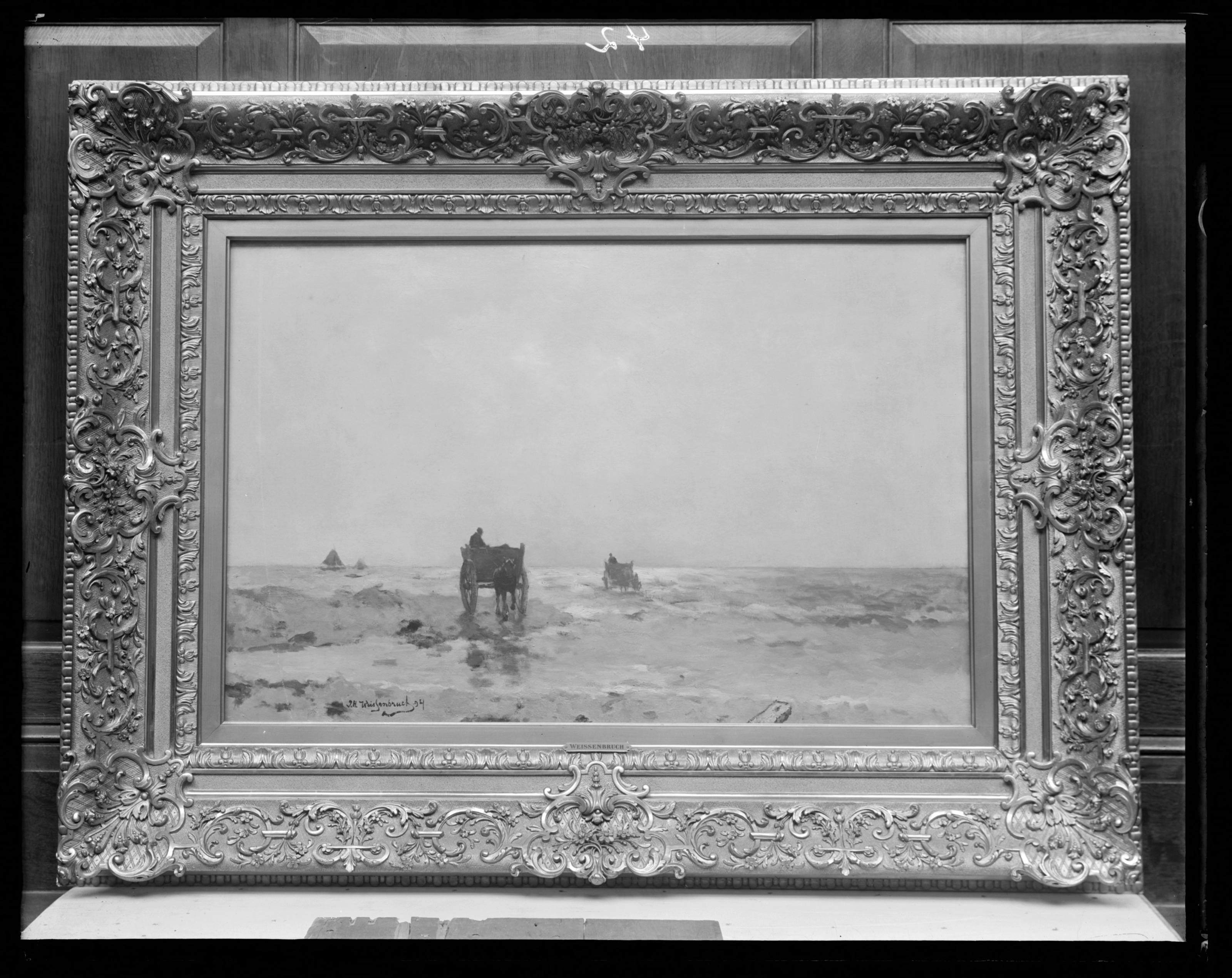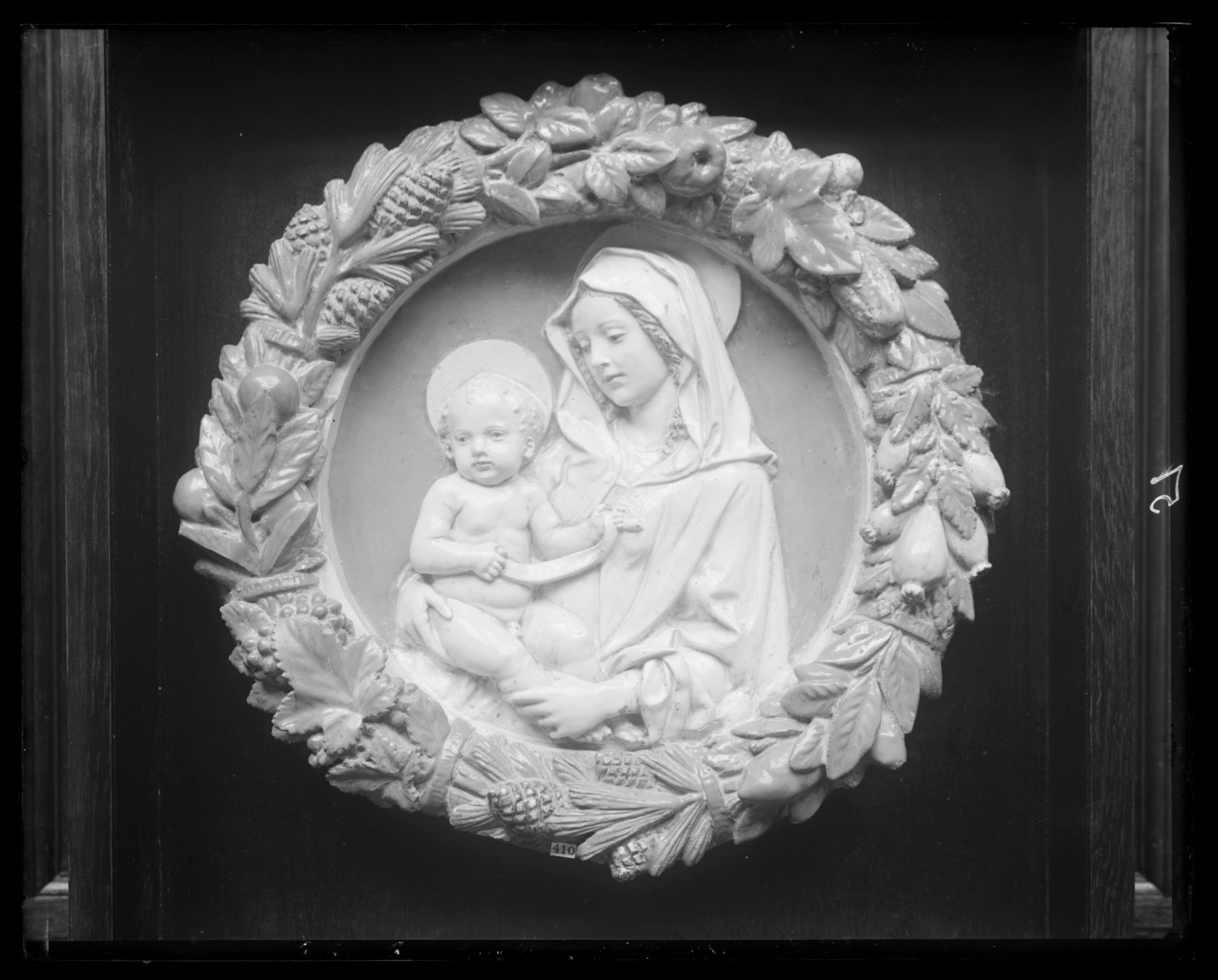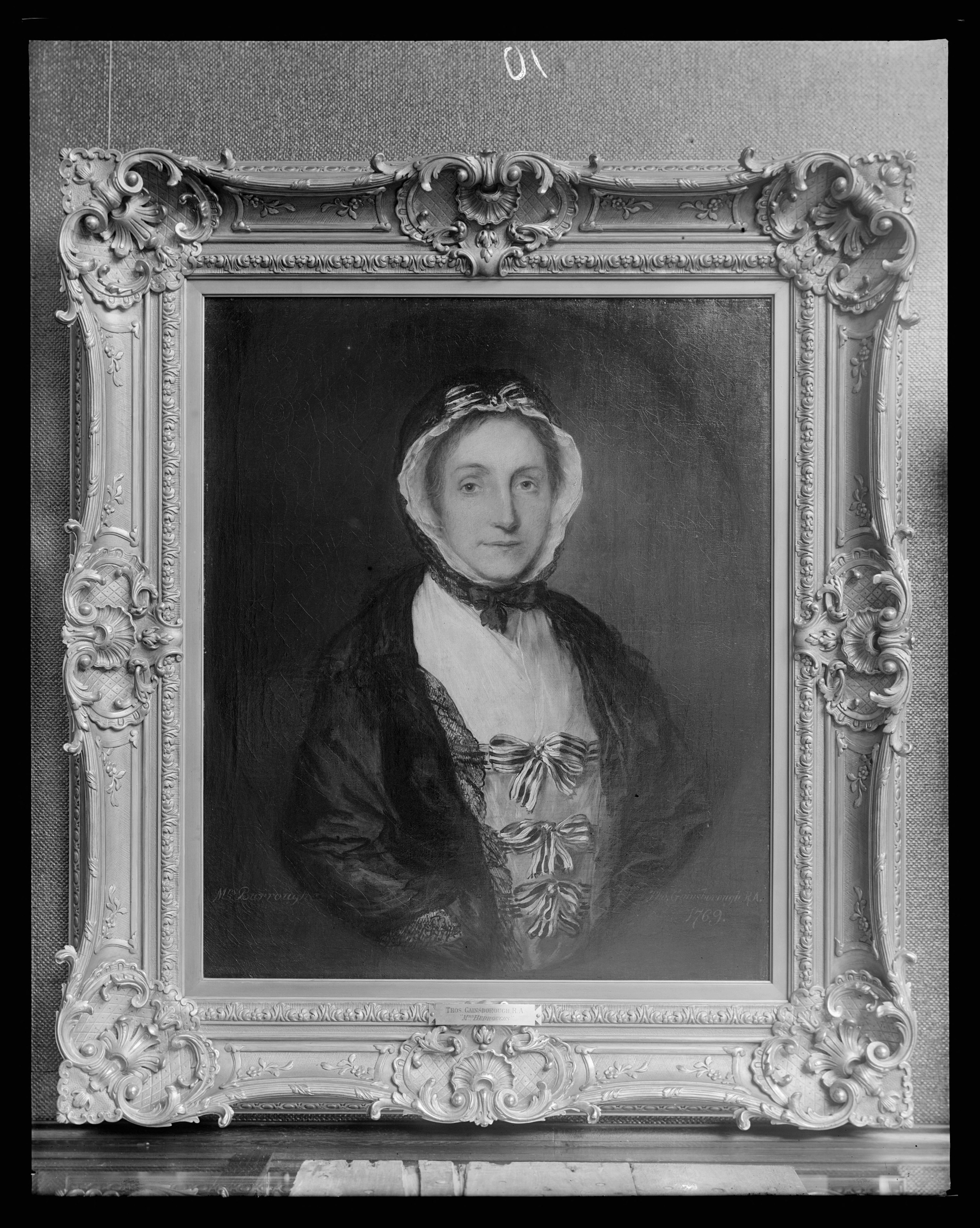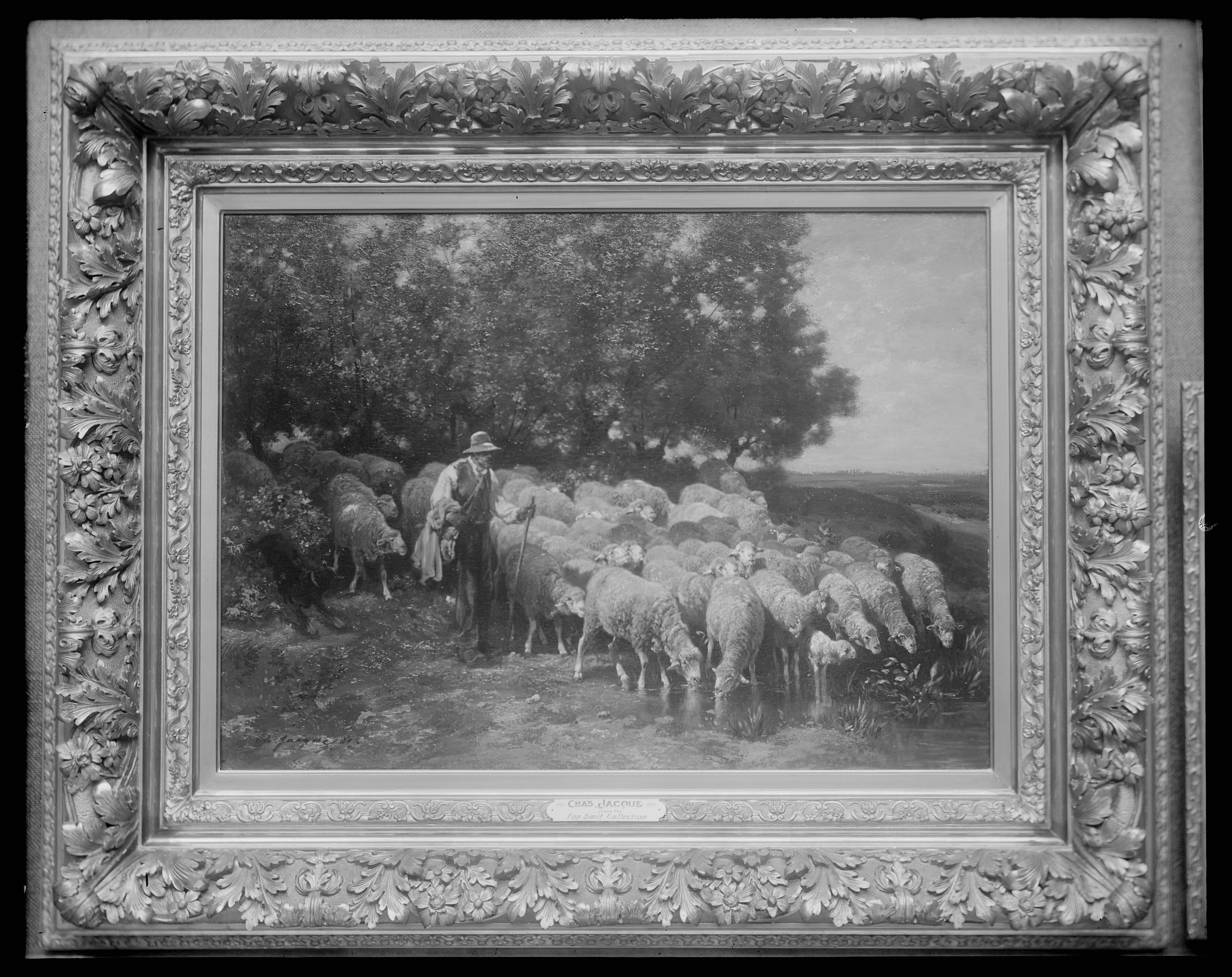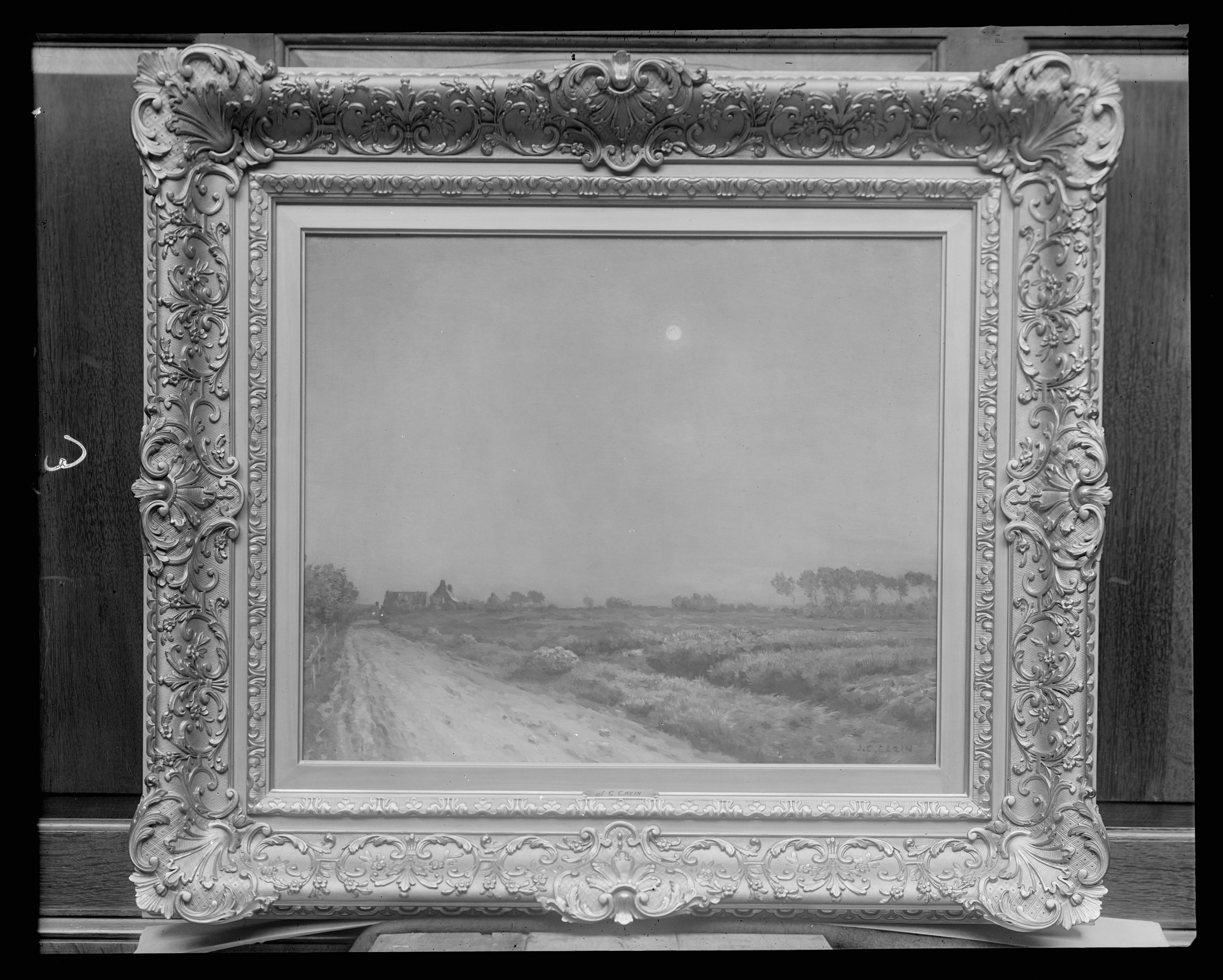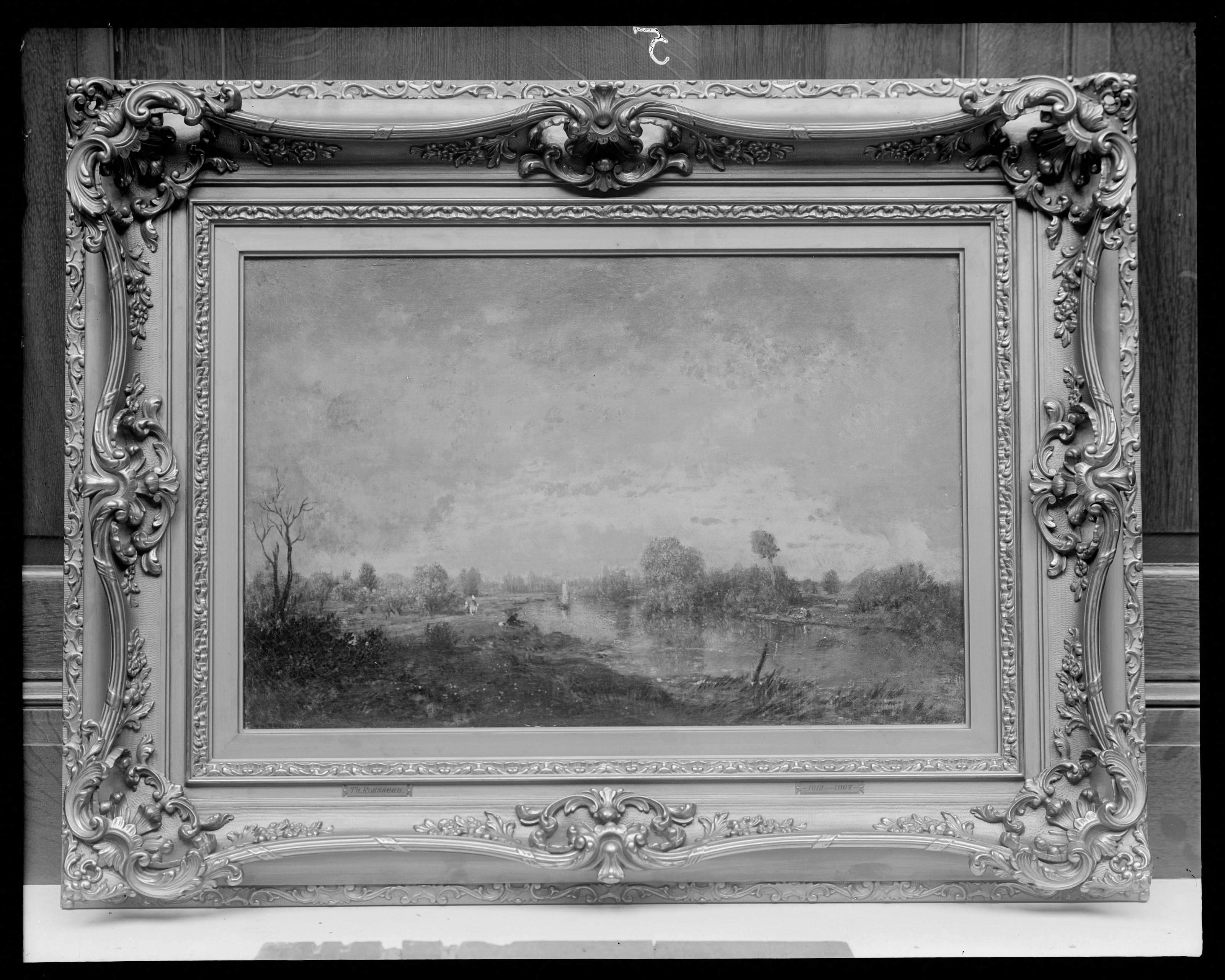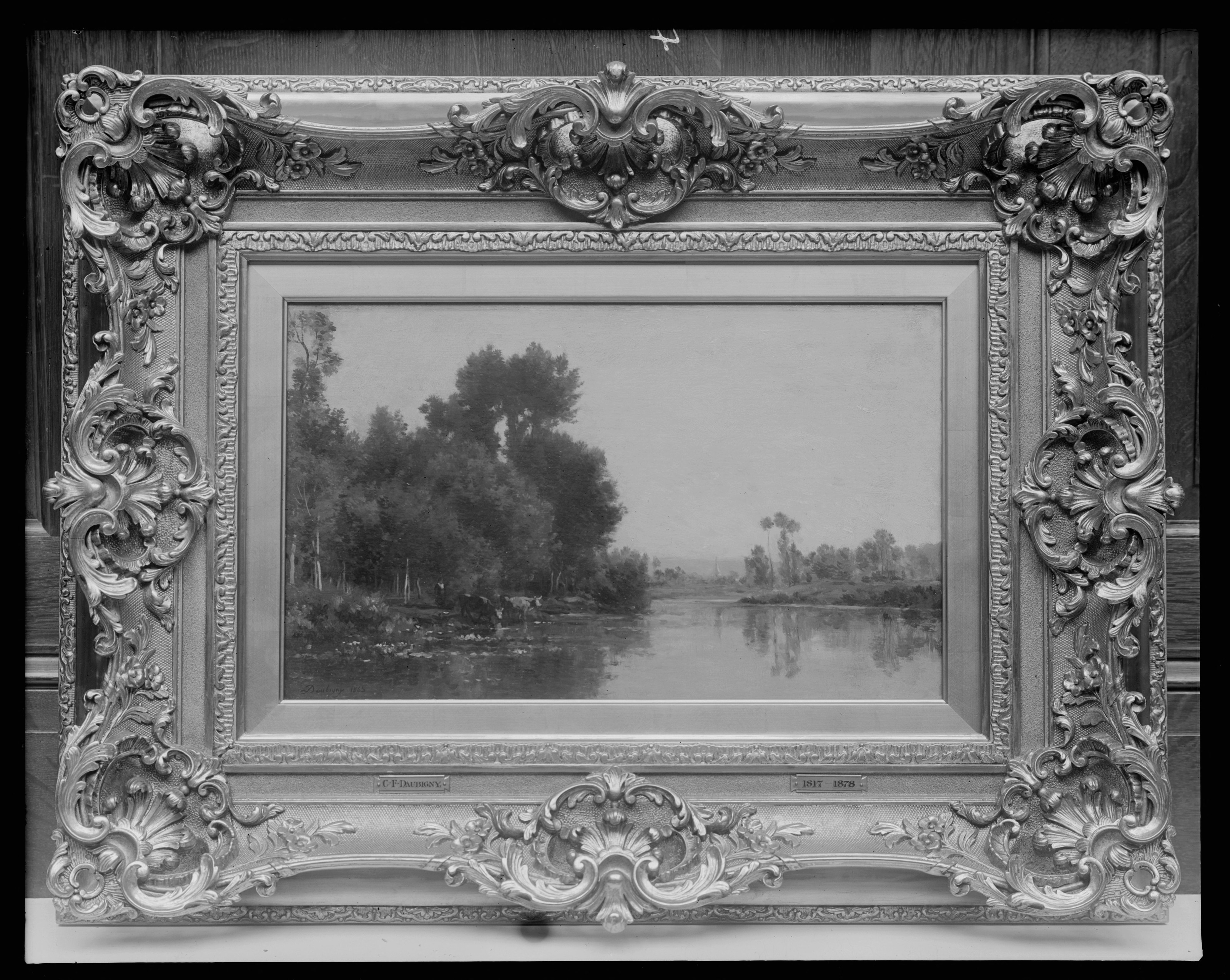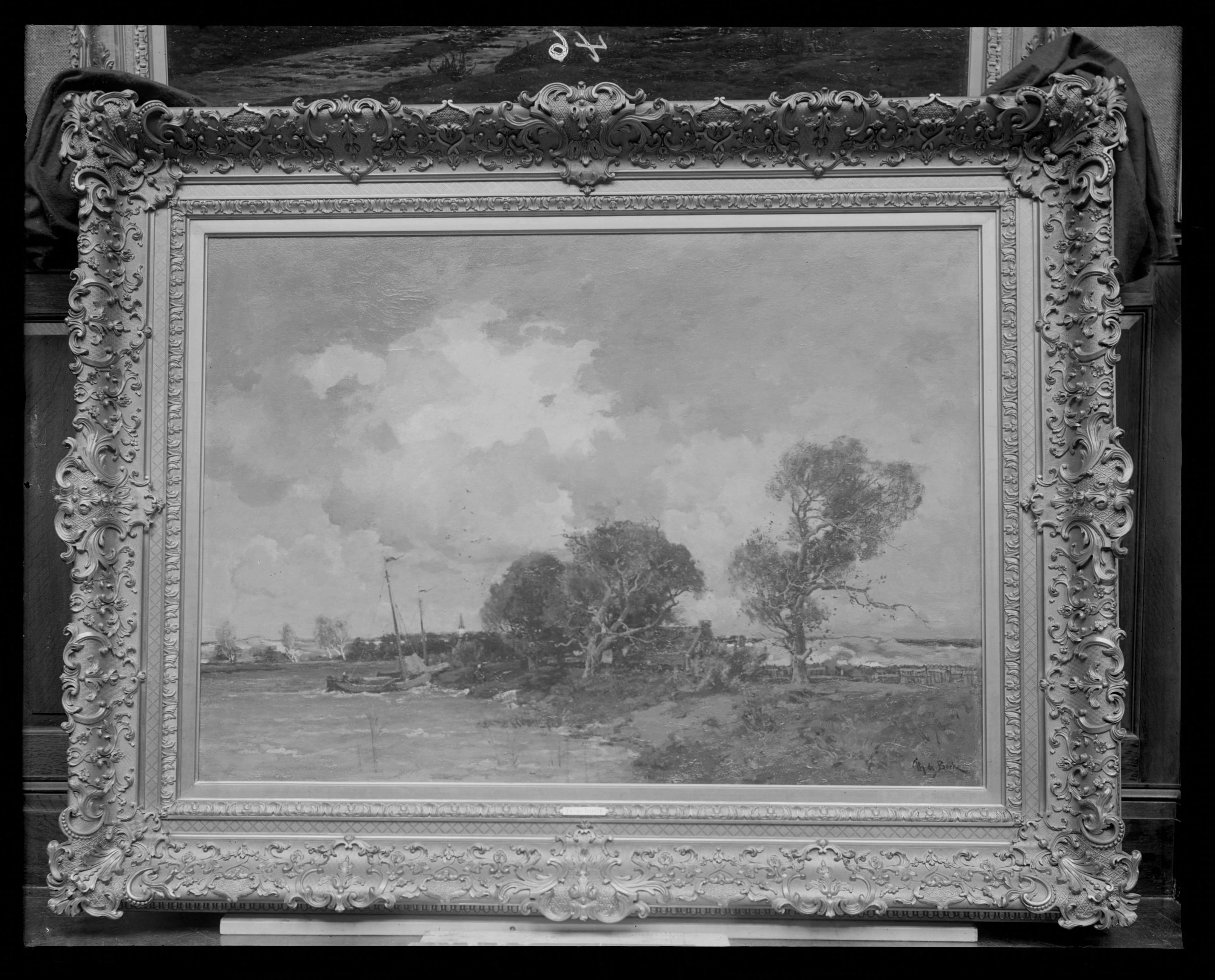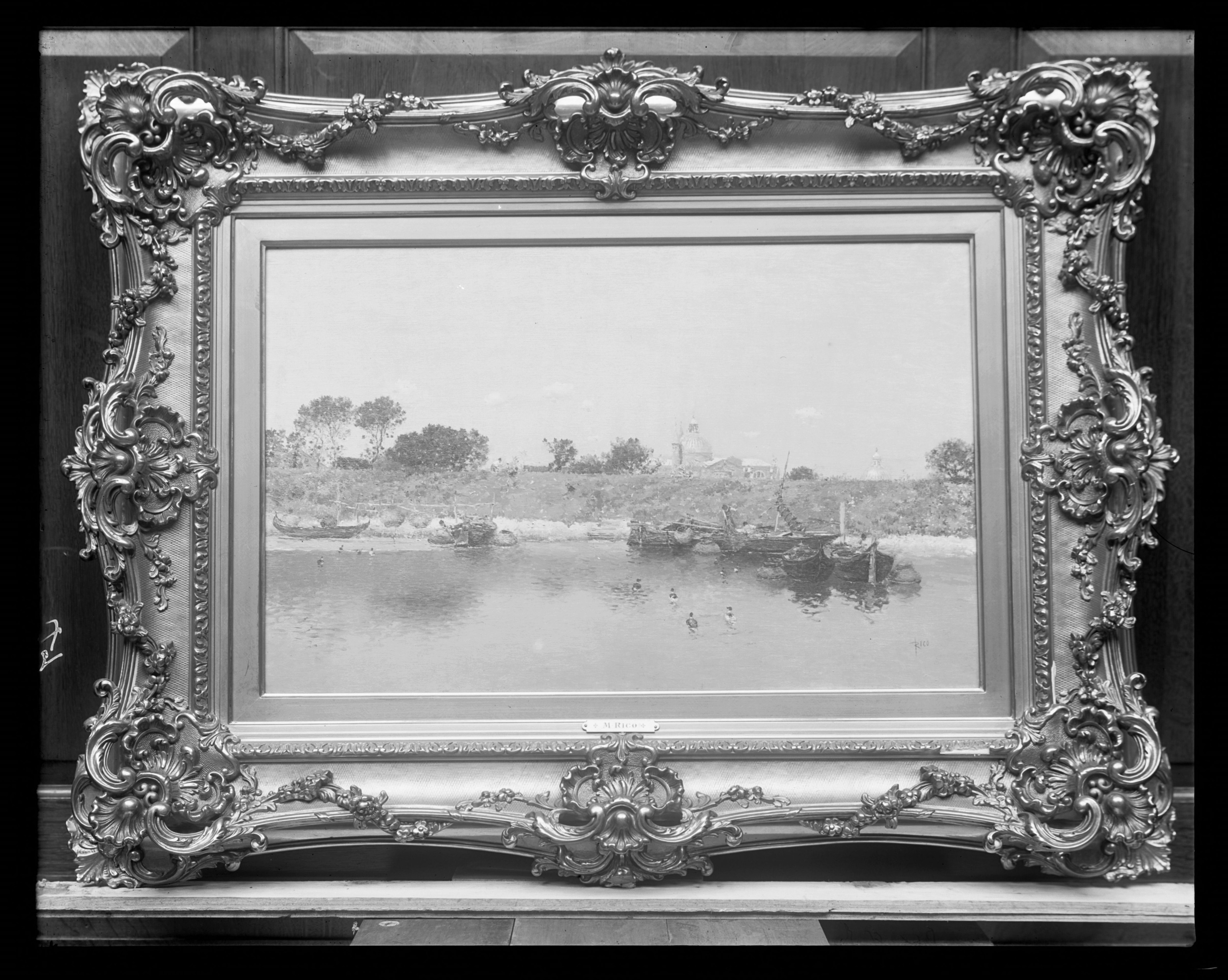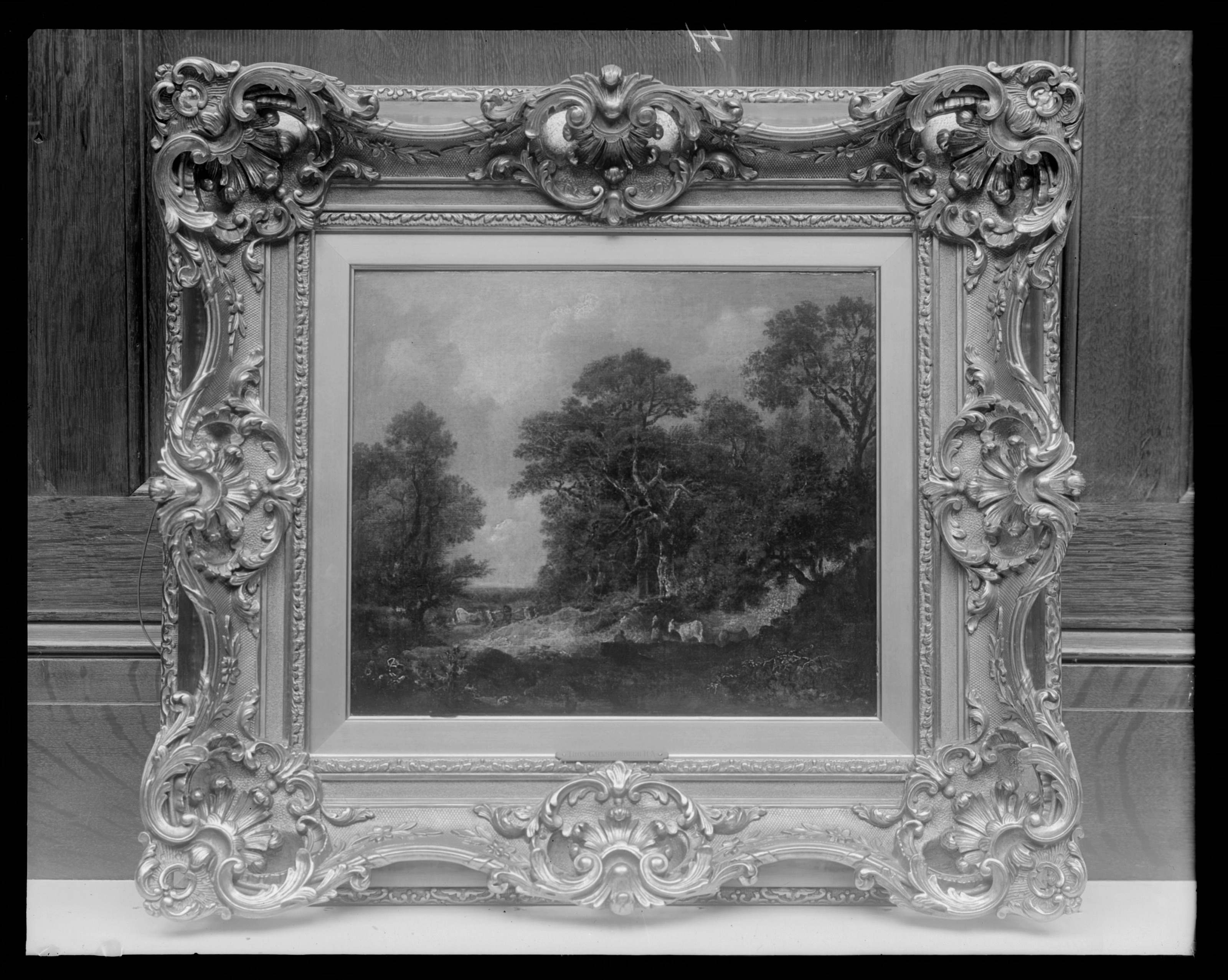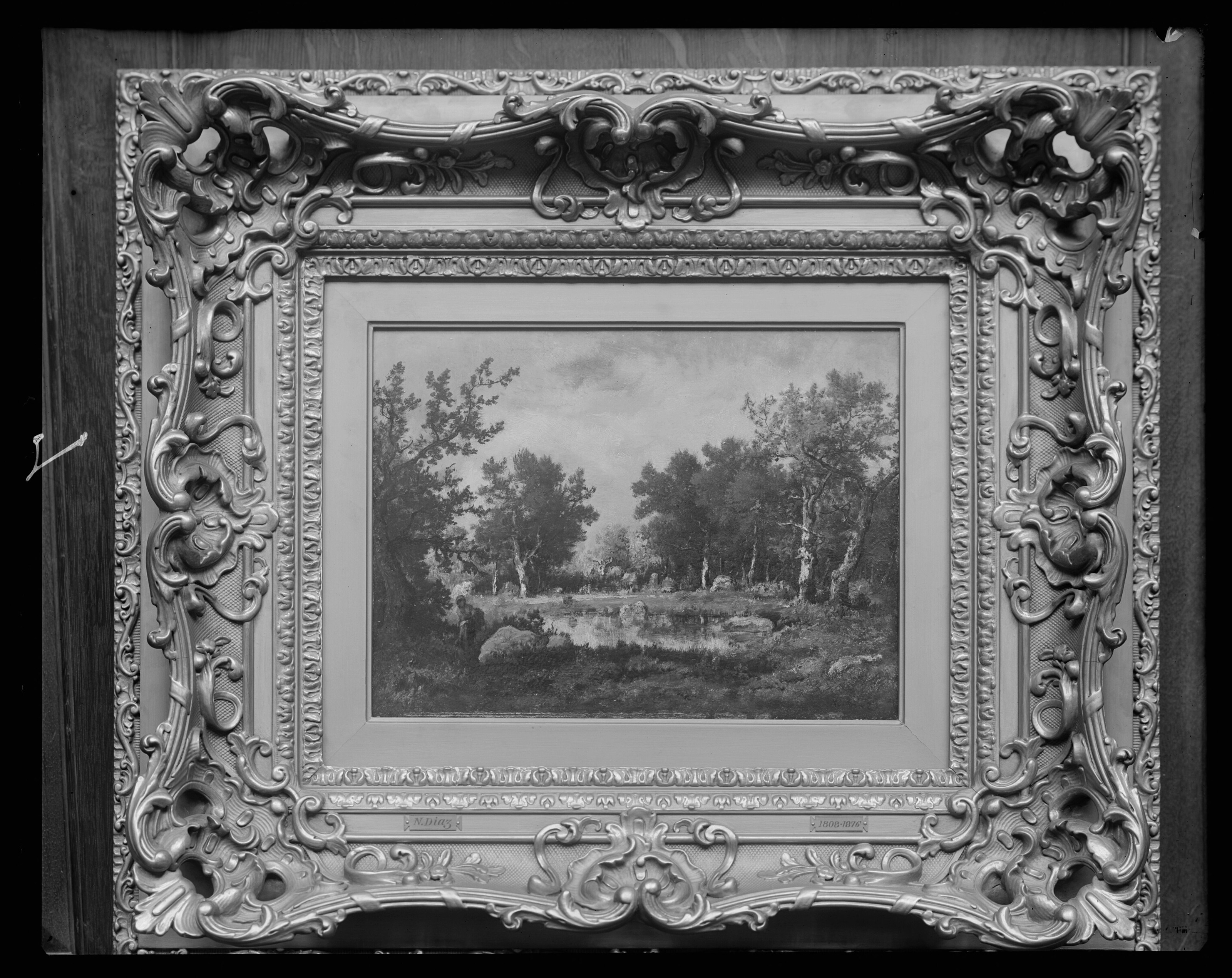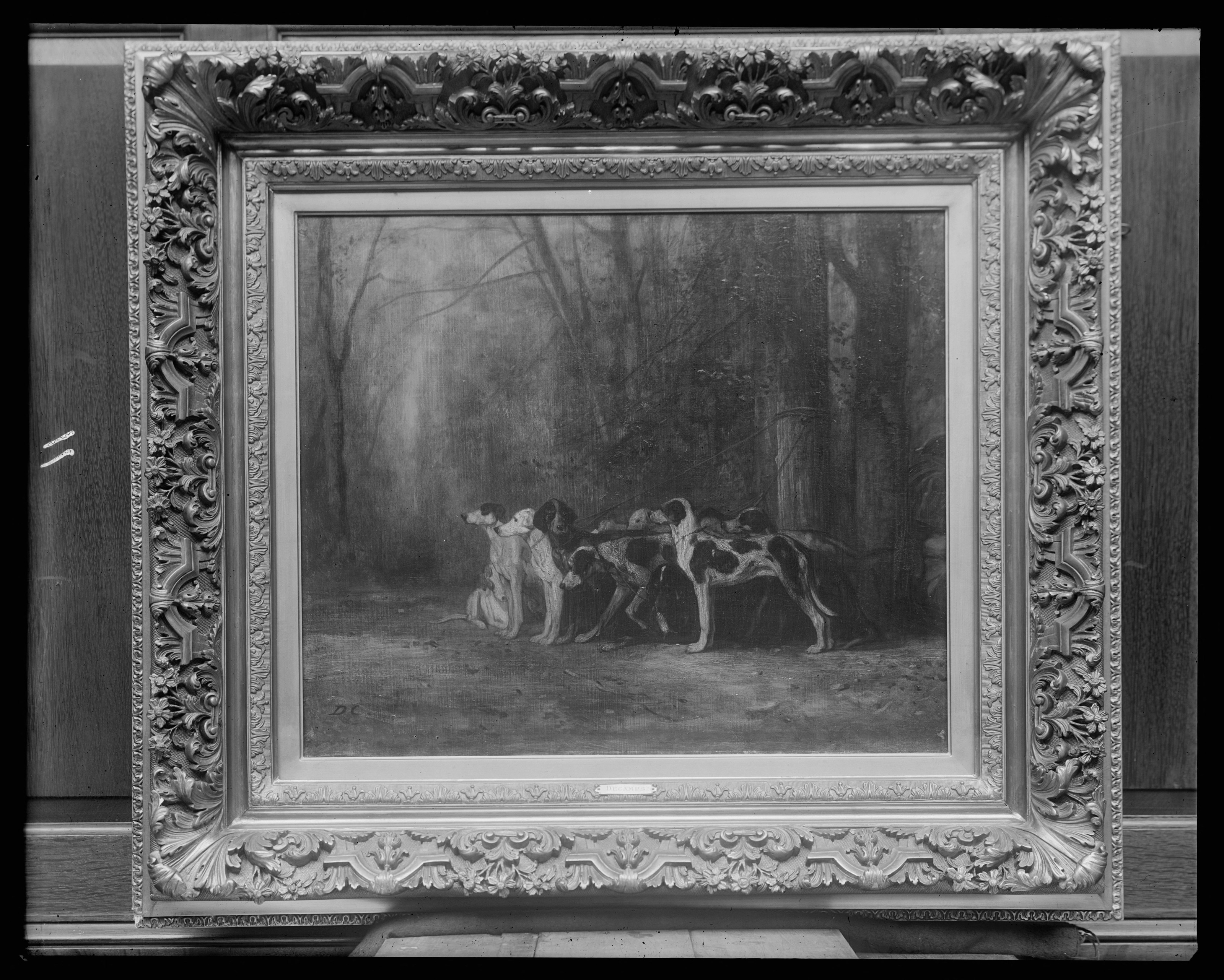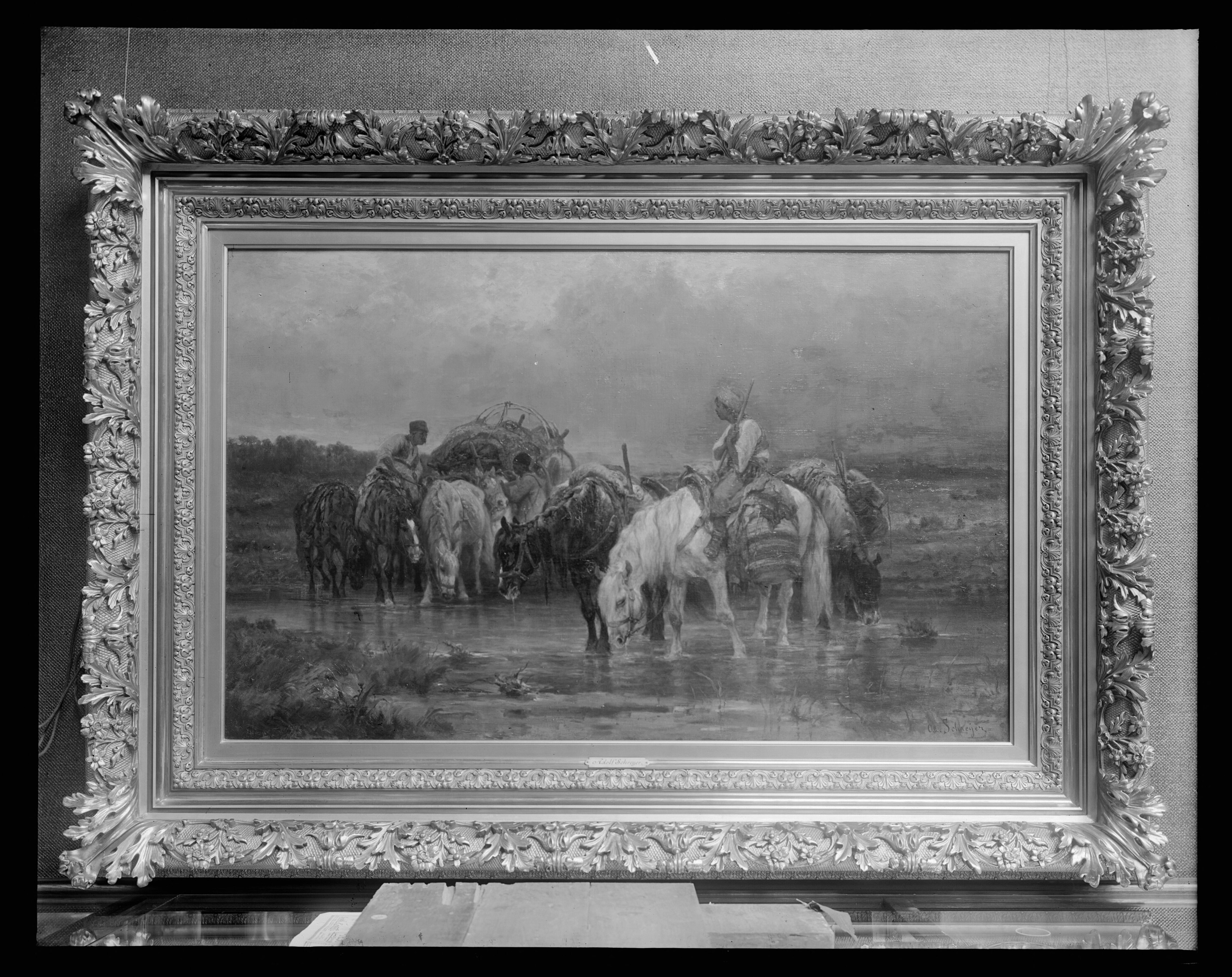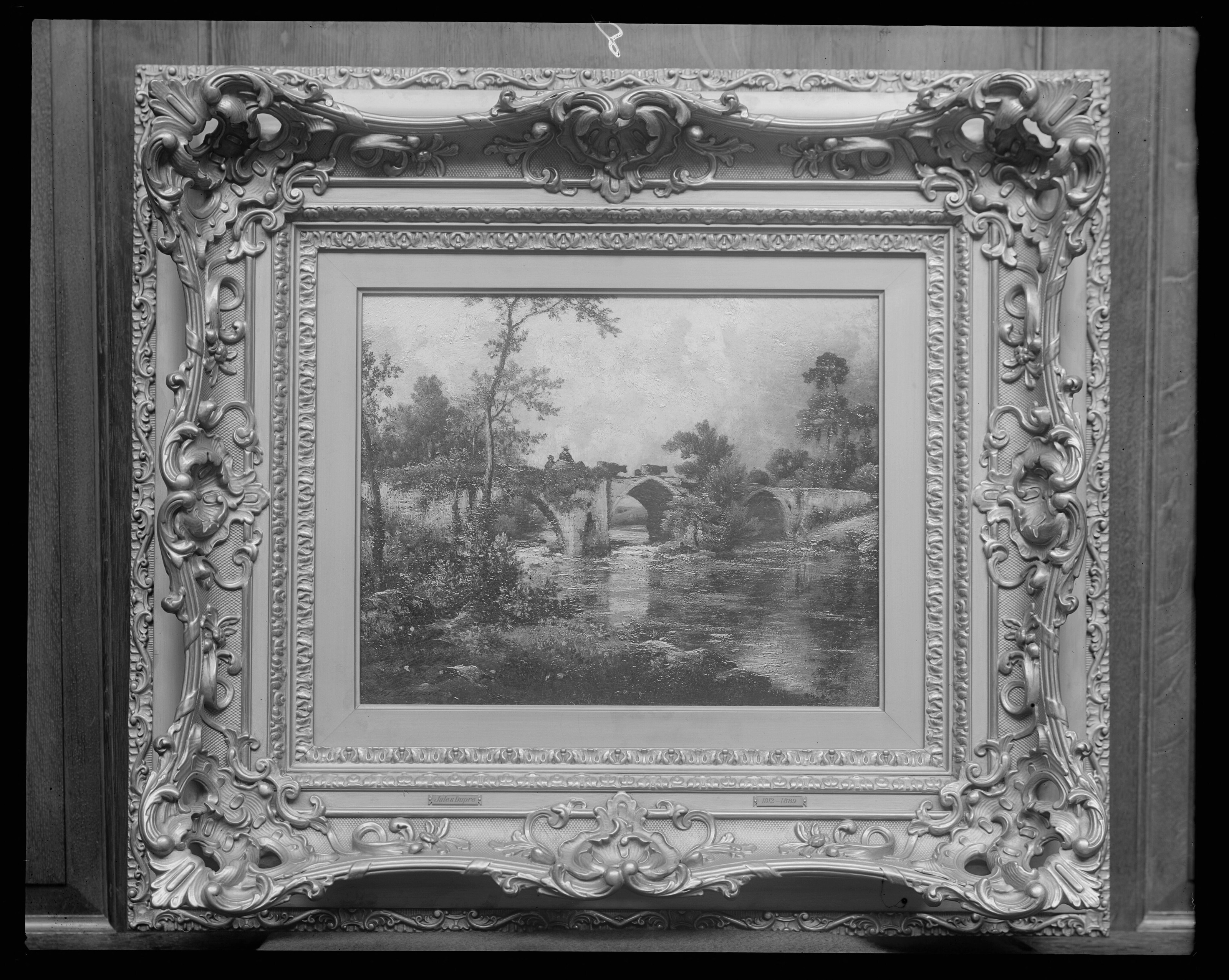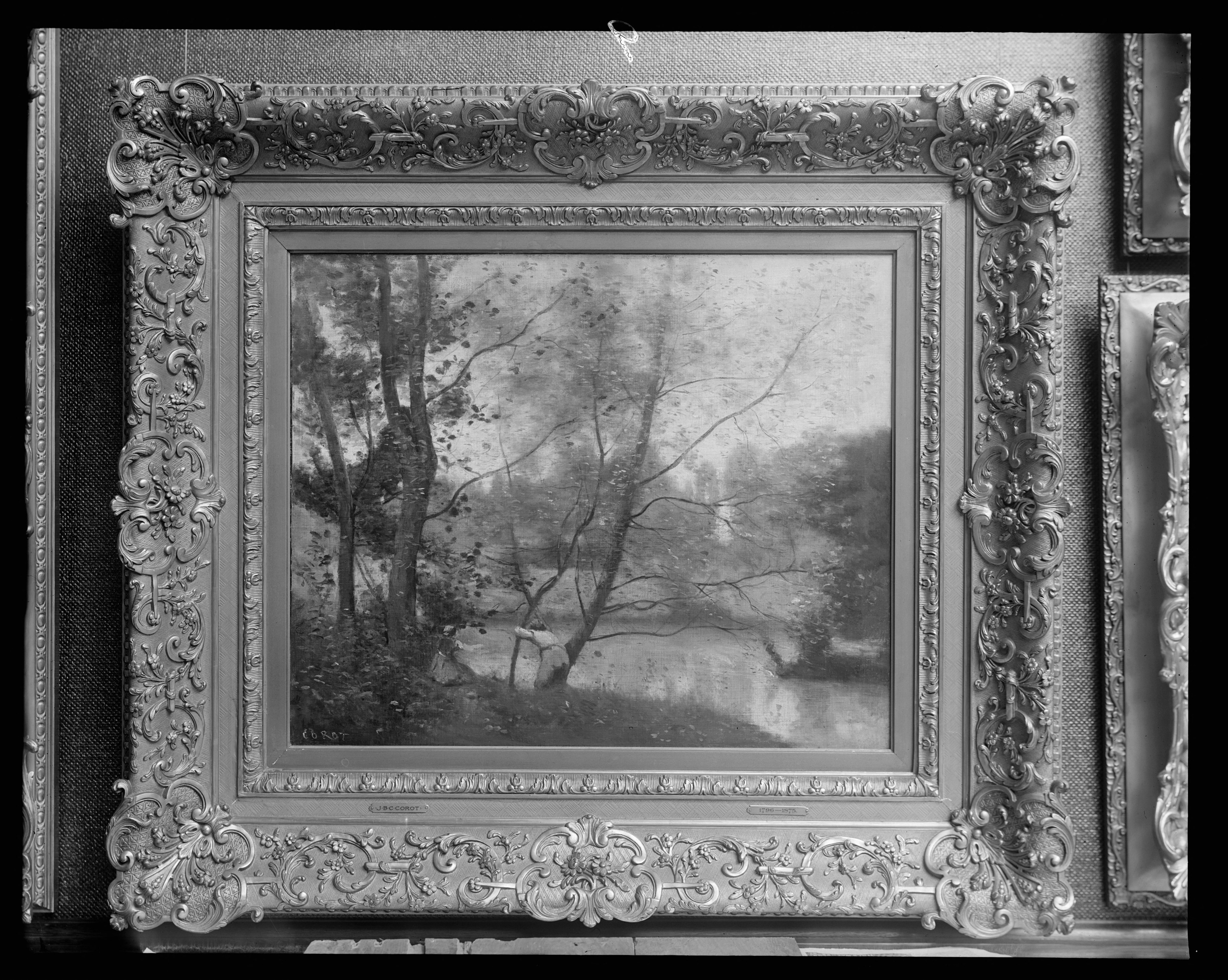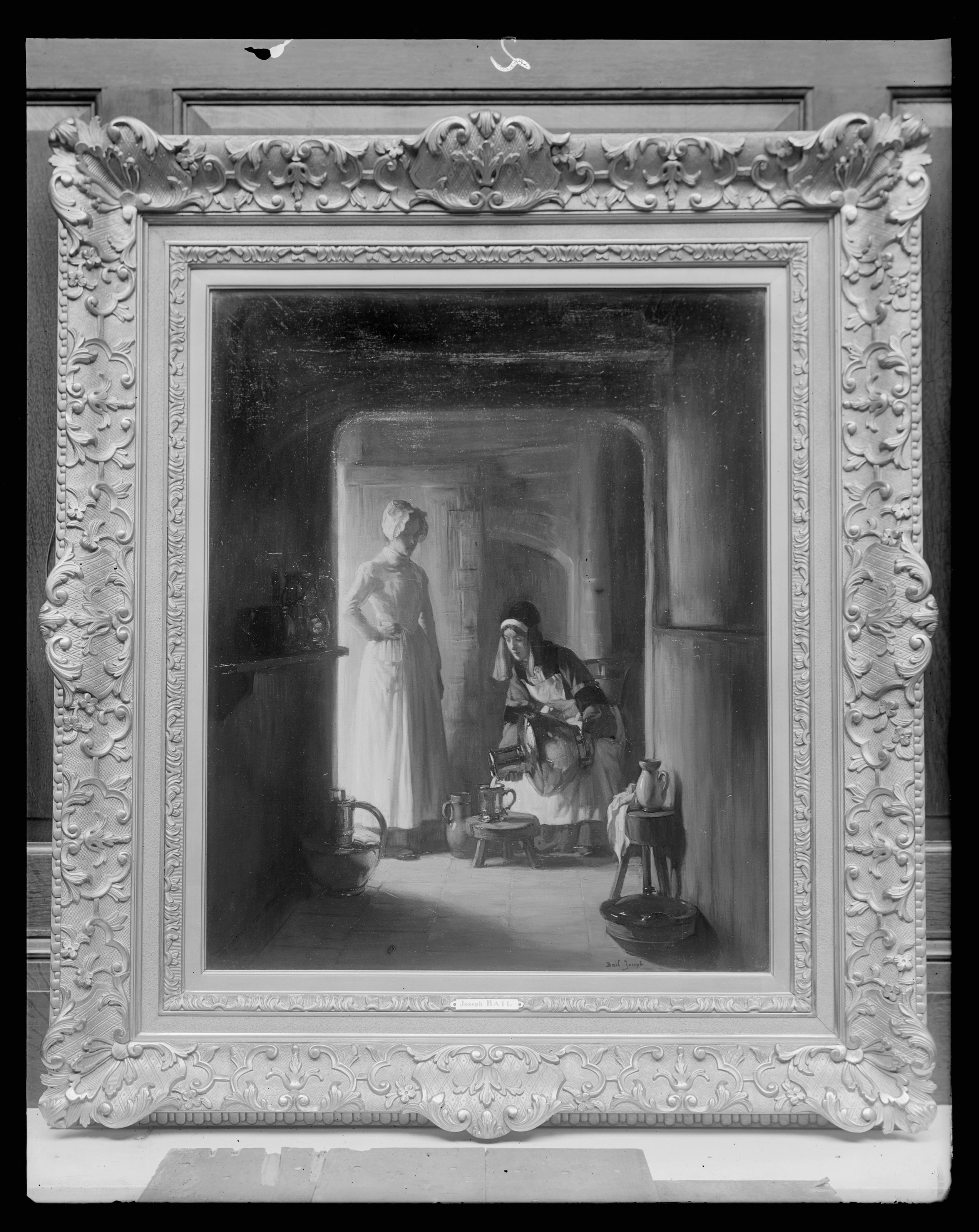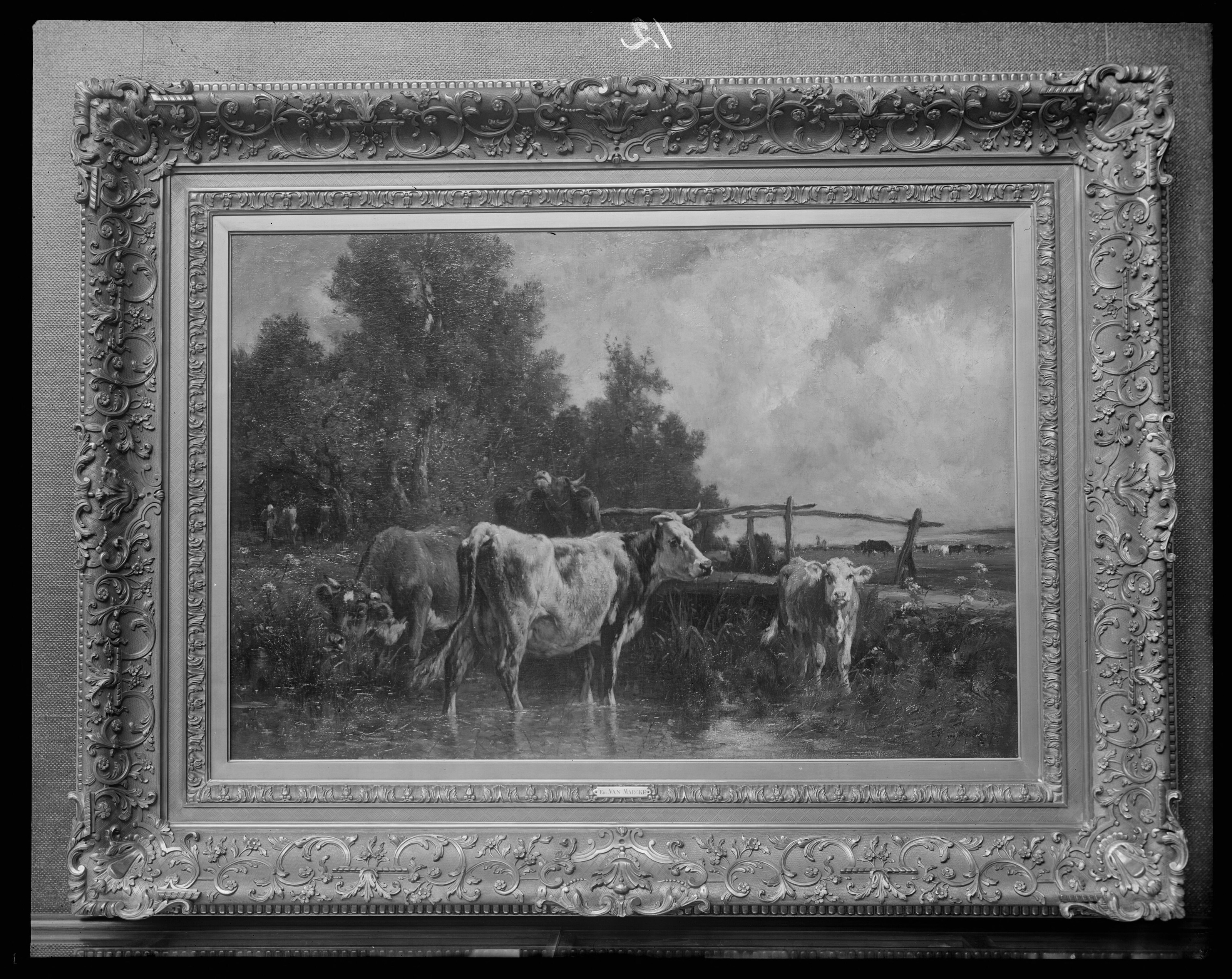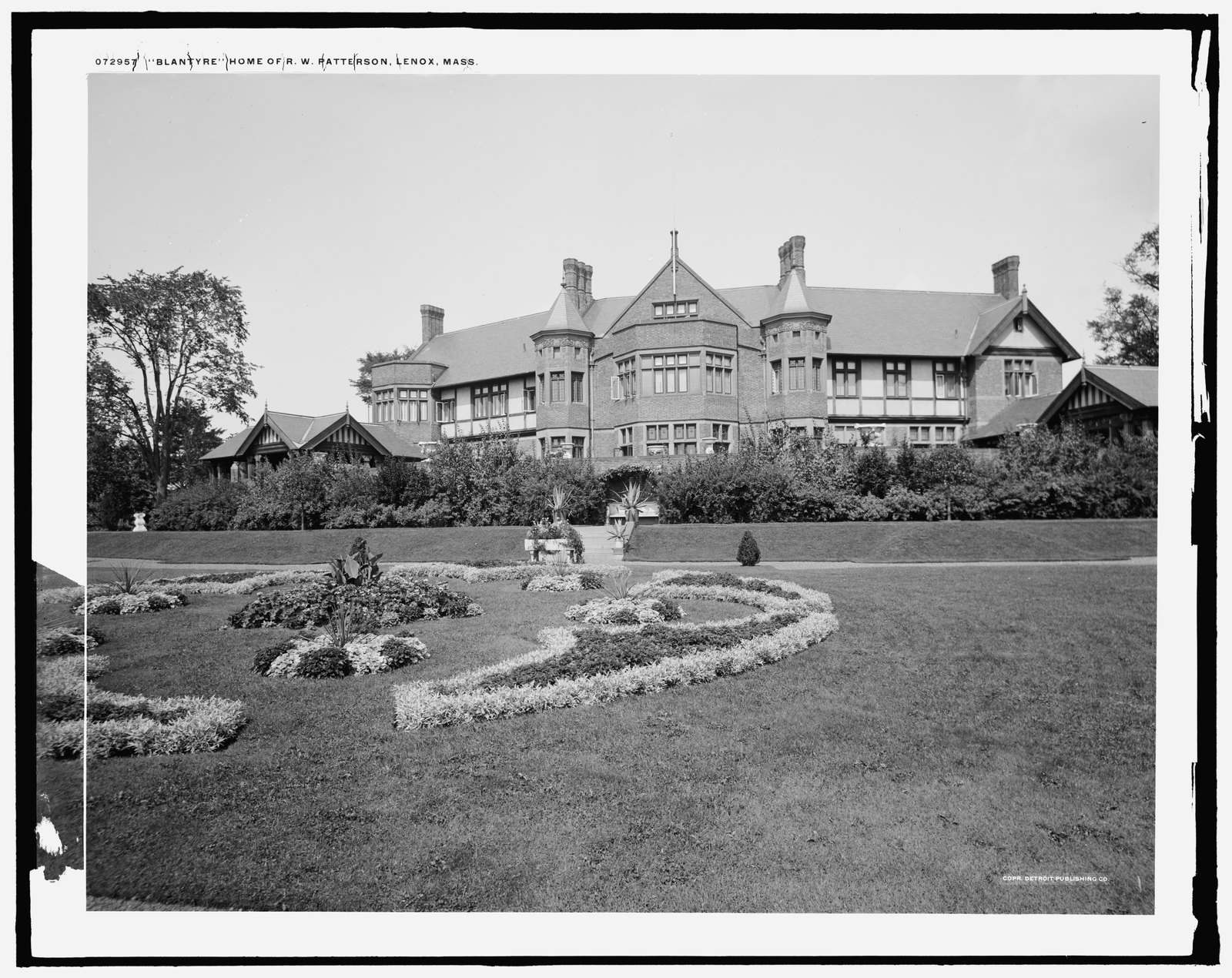
In 1912 somebody at Blantyre took fifty-four pictures off the walls, stood them one at a time against a dark cloth, and photographed them. The negatives are numbered. Nobody wrote down why it was done — Robert Paterson had five years still to live — but the result is the one thing almost no Berkshire cottage has: a complete visual inventory of what hung inside it.
I. Turpentine
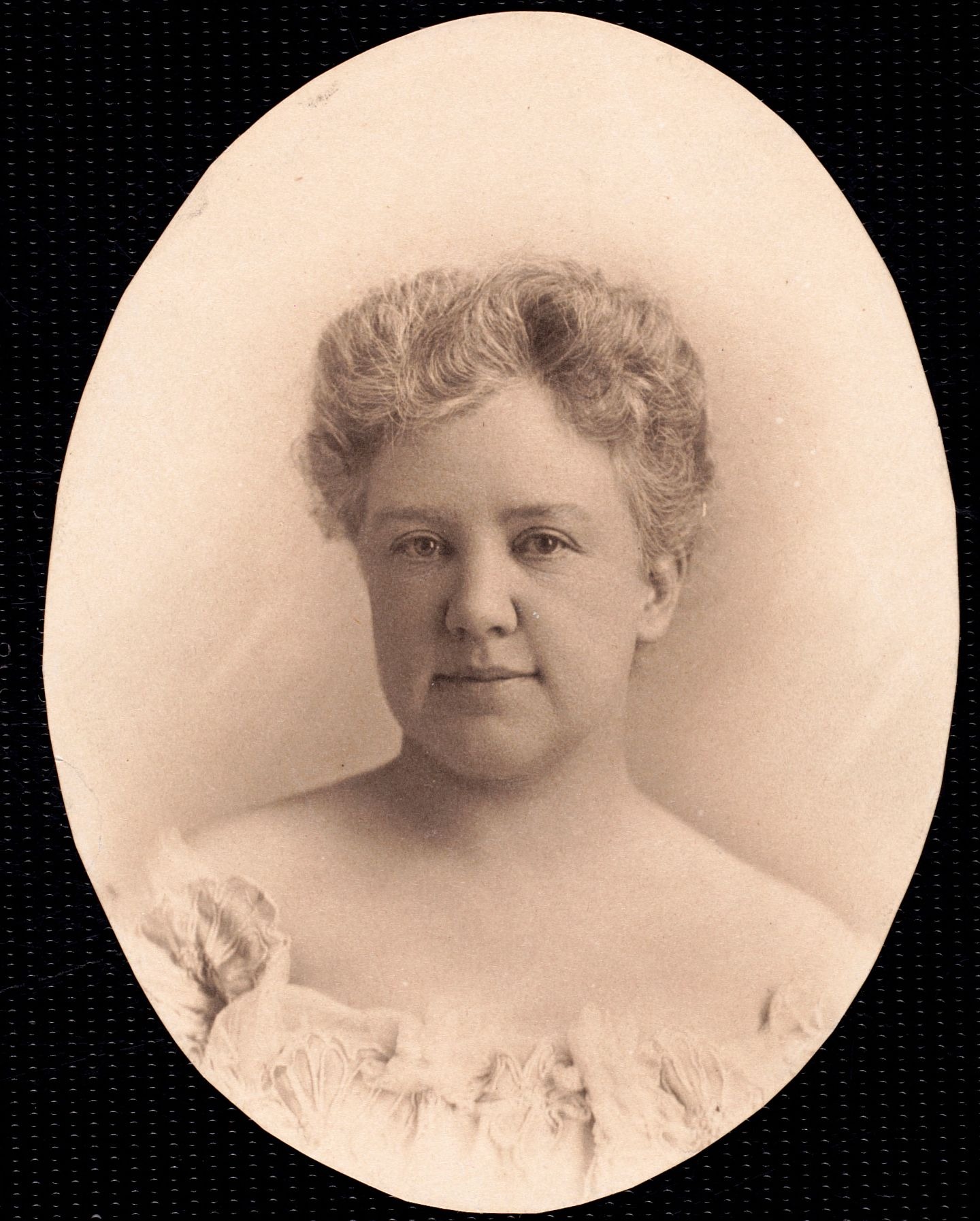
Robert W. Paterson was born in Scotland and made his money in New York in naval stores — rosin and turpentine, and the soaps, varnishes, paints and linoleum that came out of them. It was the same trade that built Shadow Brook’s second owner, Spencer Shotter. In 1893 Paterson married Marie Louise Fahys, daughter of a watchcase and silverware manufacturer.
He named the house for his mother’s home in Scotland.
II. The back of an envelope
The architect was Robert H. Robertson, who is said to have sketched the thing on the back of an envelope. Paterson bought a hundred and thirty acres next to Wyndhurst and added a hundred more in 1904.
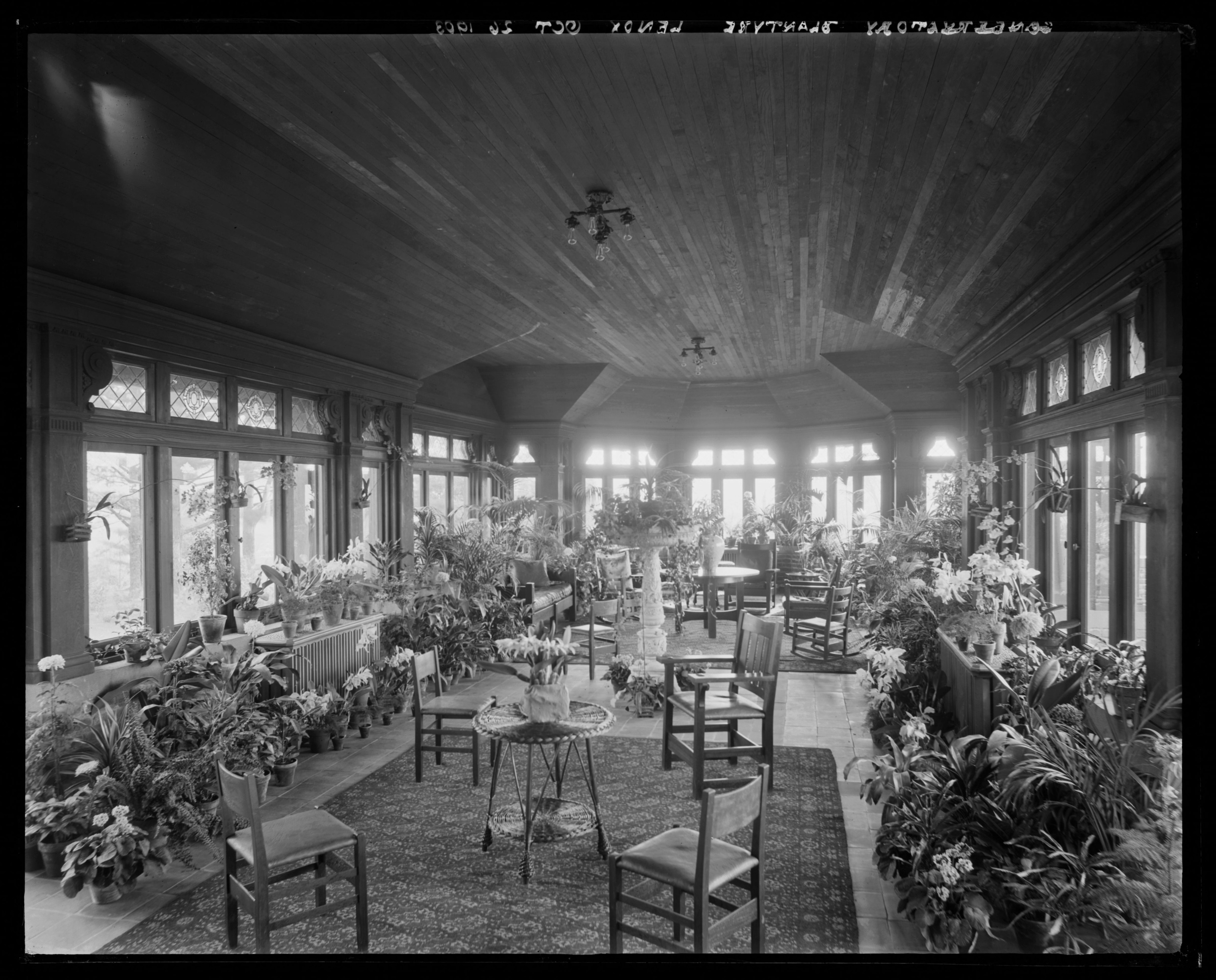
The dates given for the house differ. Wikipedia says it was built in 1902. The Berkshire Eagle says work began in 1901 and the house opened in 1904. The photographs in this gallery sit between the two: the main hall, the music room, the dining room and the conservatory were all photographed on 26 October 1903, furnished, with the pictures already hung. Whatever “opened” means, the rooms were finished in the autumn of 1903.
What it cost is also disputed, and the gap is the interesting part. The papers of the day reported three hundred to five hundred thousand dollars. The Eagle puts the actual figure at $135,000. The furniture was copied from pieces at Hatfield House.
III. A wing for the pictures
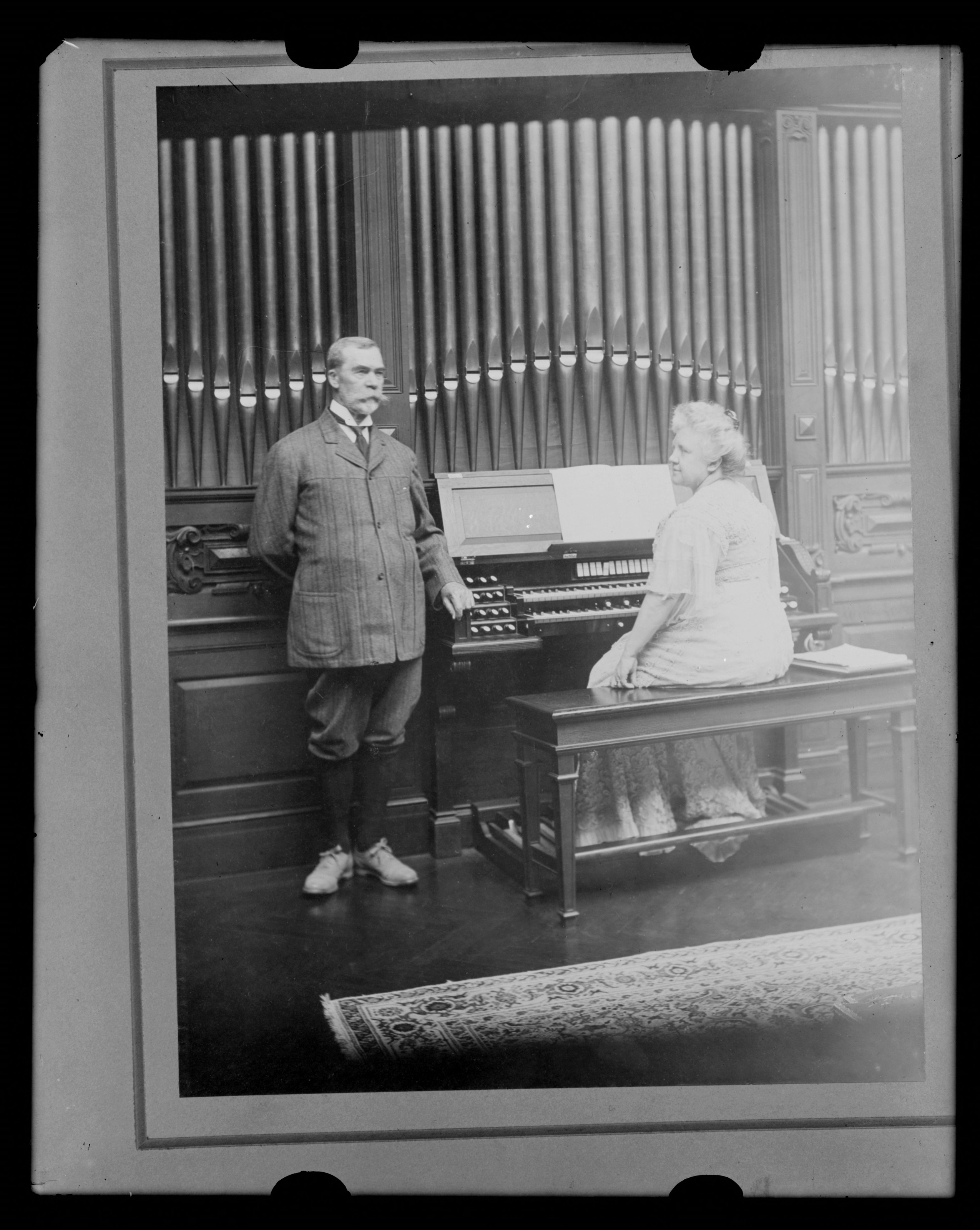
By 1906 a wing had been added to hold the collection. The photographs show what that meant: a long top-lit room with a coffered skylight, pictures hung two and three deep in heavy gilt frames, glazed cases down both walls holding porcelain, and an organ at one end. Marie Paterson collected the paintings; Robert collected the sculpture and the china.
The subjects in the 1912 inventory are what a couple of that moment bought — Barbizon landscapes and cattle pieces, eighteenth-century English portraits in the Gainsborough manner, an orientalist courtyard scene, a Venetian view, a carved marble roundel of the Virgin and Child in a wreath. No artist is named in the Library’s catalogue — but the frames carry engraved brass plaques, and at full resolution they read. The forty-two painters they name are set out on The paintings at Blantyre.
IV. Glass
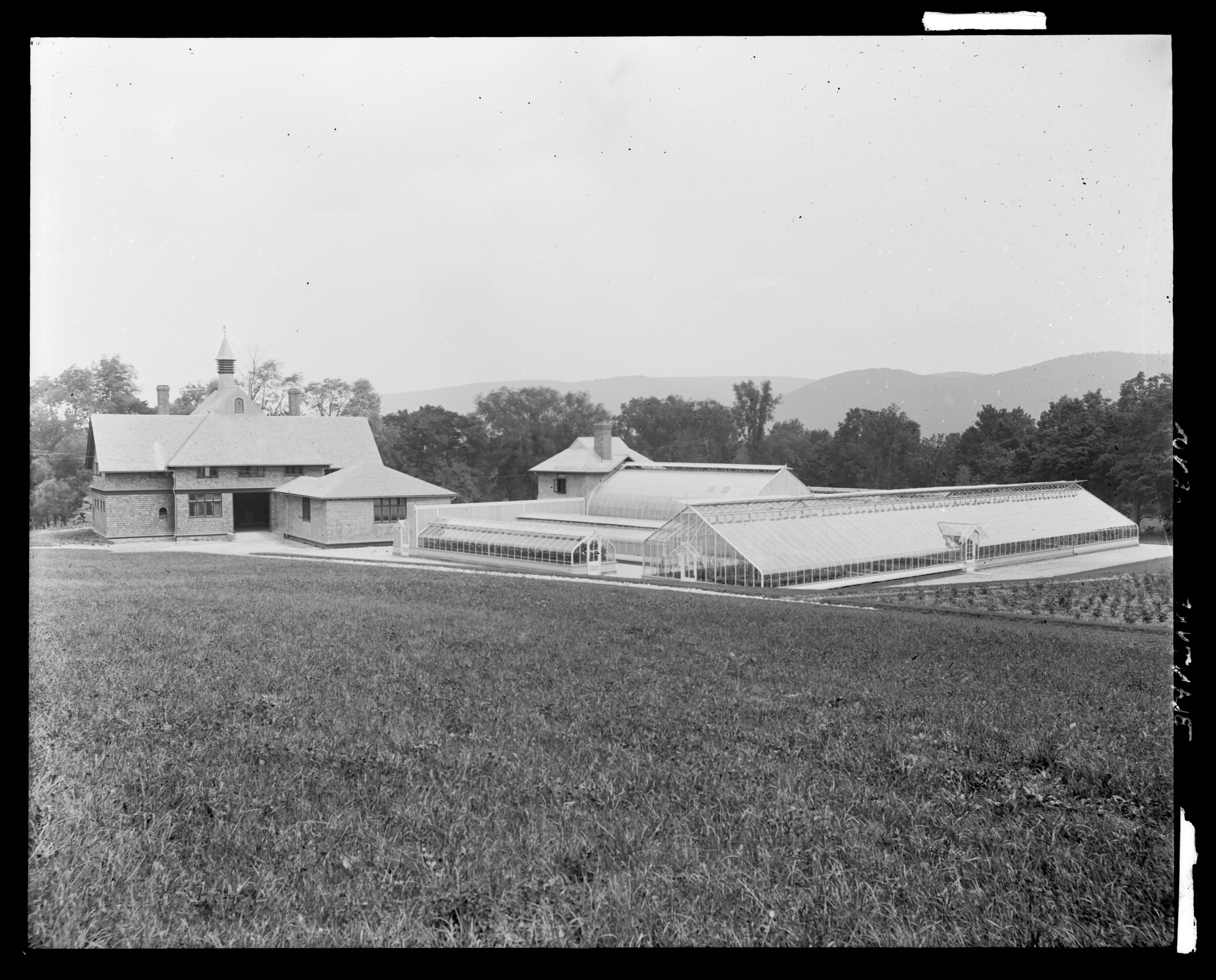
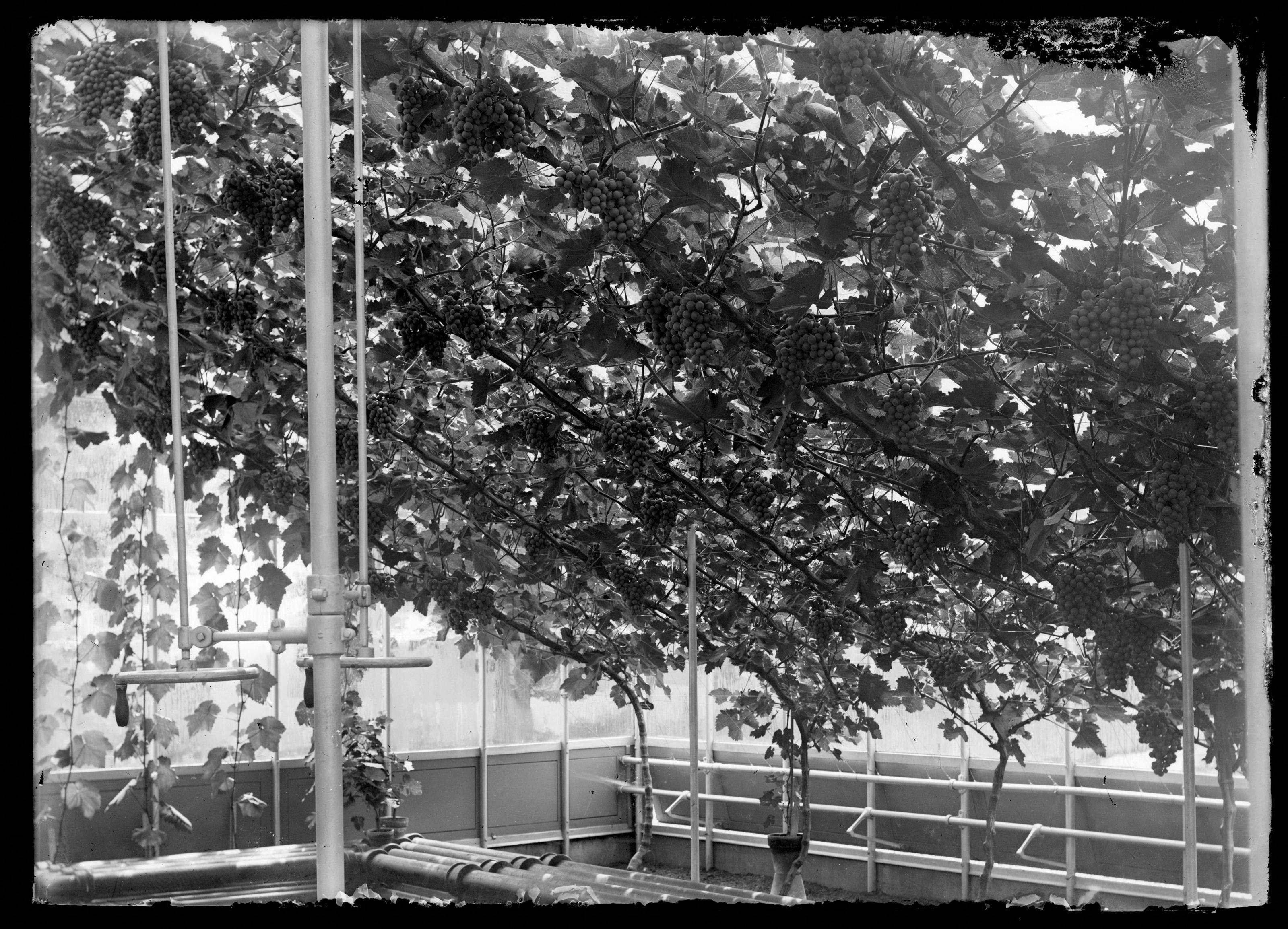
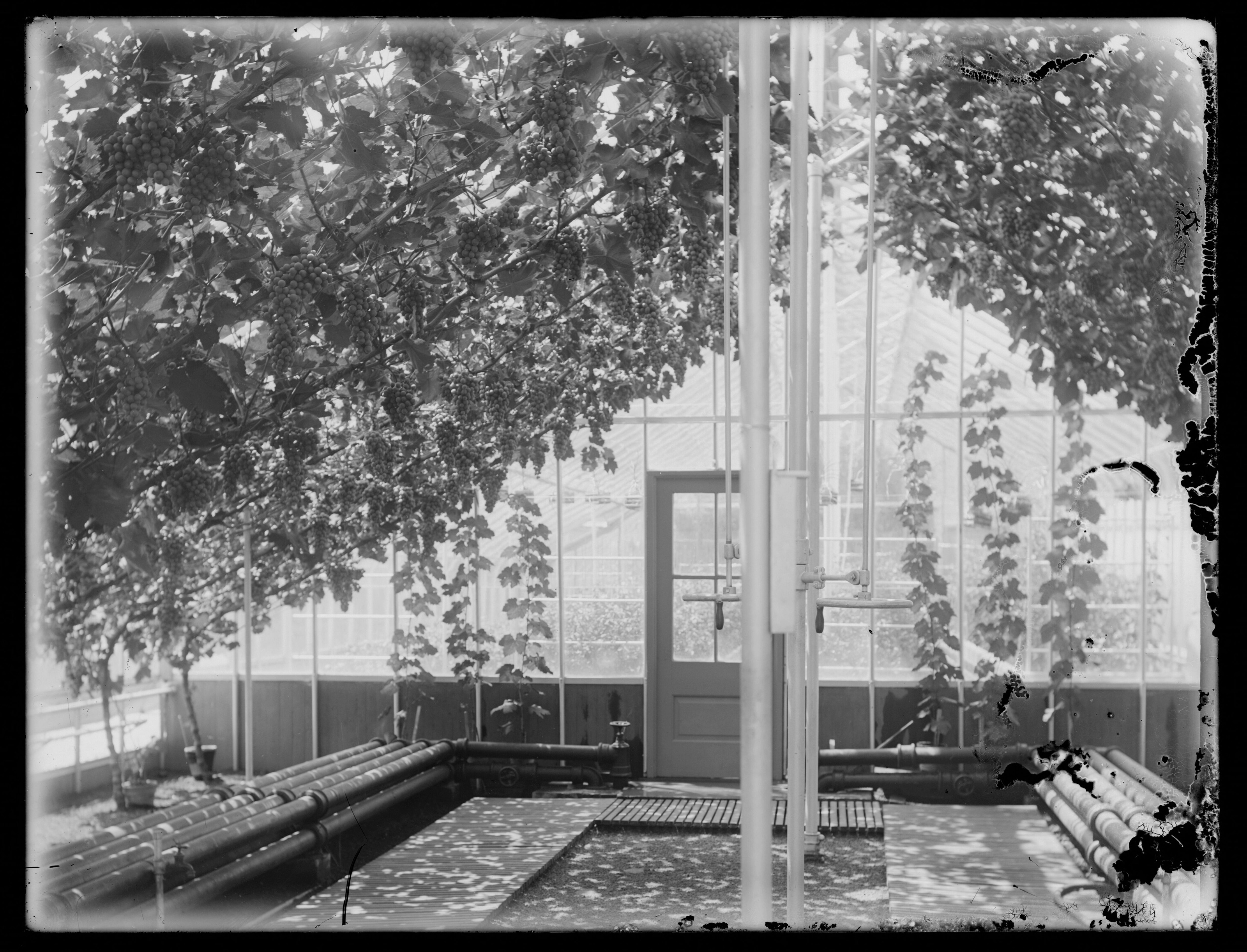
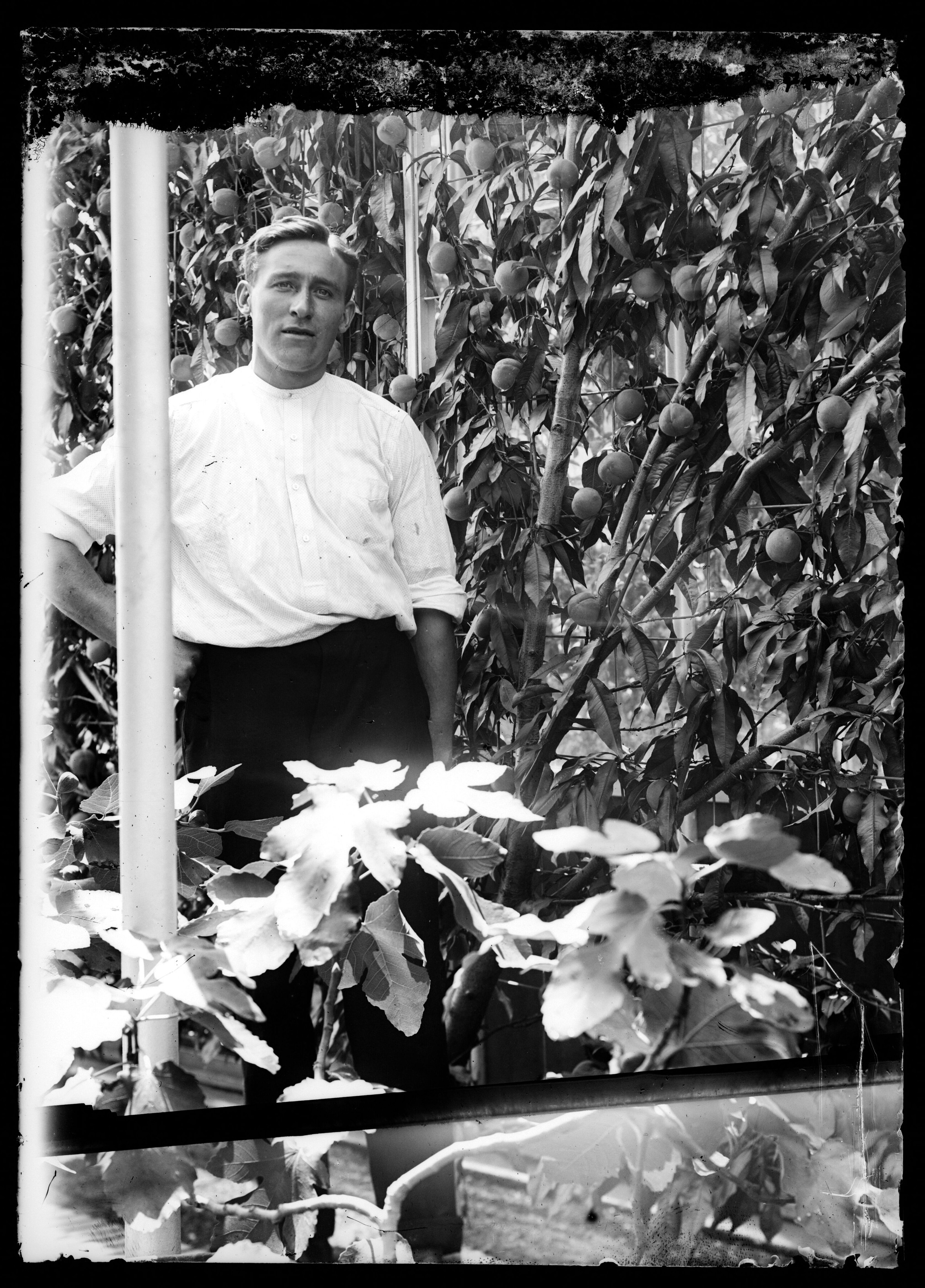
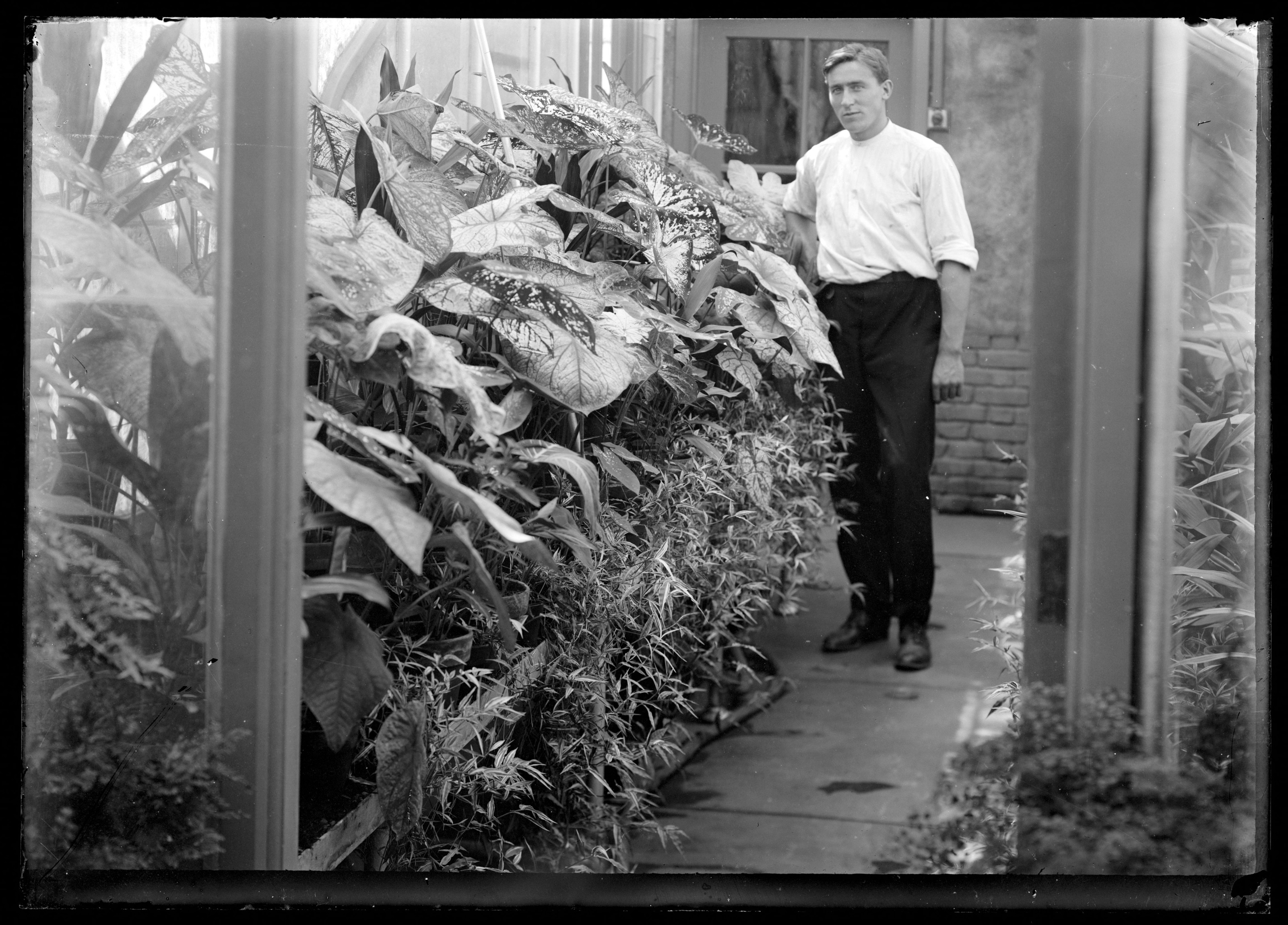
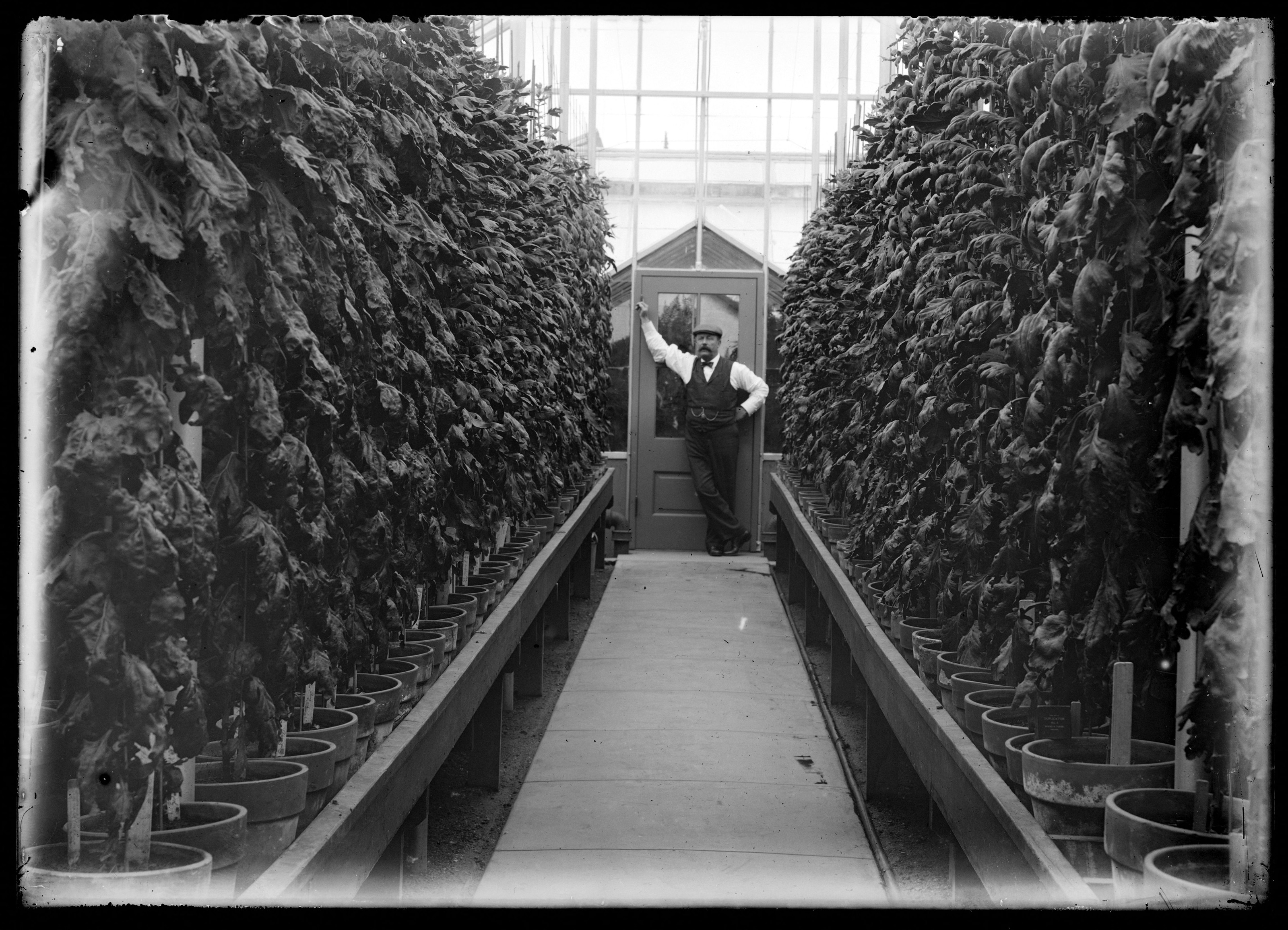
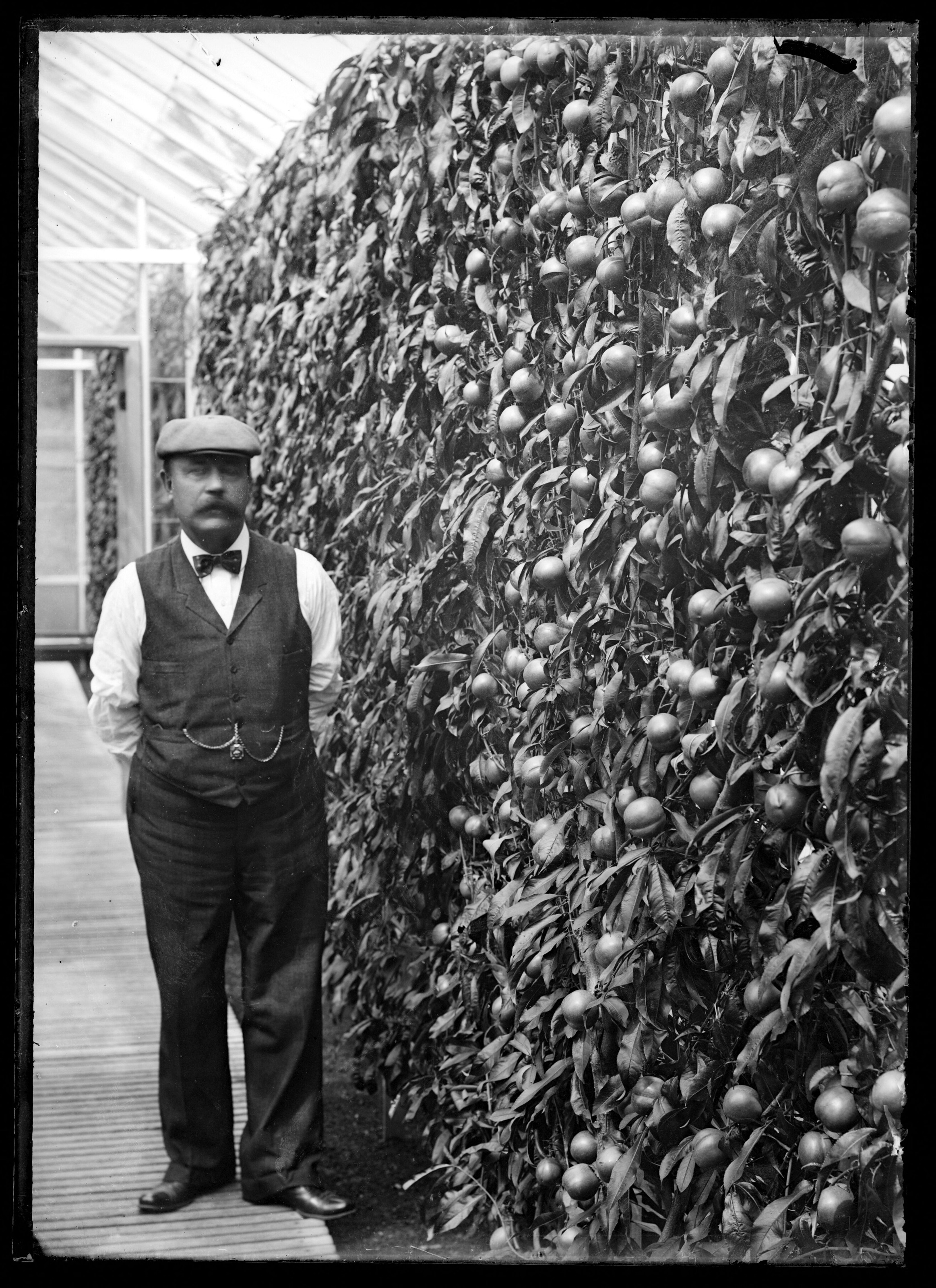
The other run of photographs is the greenhouse range — a vinery with the bunches hanging, benches of pot plants stacked in tiers taller than a man, and the men who grew them. One is named in the catalogue: Thomas Proctor, photographed twice in the greenhouse between about 1903 and 1915. Head gardeners are usually anonymous in this material. This one is not.
V. $135,000 to $25,000
Paterson died in 1917 leaving about a million dollars. His widow sold Blantyre in 1925 — for $25,000, against the $135,000 the house alone had cost her husband twenty years earlier. That is the cottage era’s arithmetic in a single line.
It became a golf clubhouse. D. W. Griffith bought it in 1938. Henry and Babette de Sola Mendes turned it into a hotel in 1944. Jack and Jane Fitzpatrick bought it in 1980 and made it a luxury resort; their daughter JoAnn Fitzpatrick Brown ran it until her death in 2016, and it sold in 2017 for $8 million. It is a hotel still.
Sources
Photographs: Lenox Library Association, eighty-nine items via Digital Commonwealth, titles and dates quoted exactly as catalogued — eighty of them from the Edwin Hale Lincoln Photographs collection, whose rights the Library gives as “No known copyright restrictions,” asking that it be contacted about reuse, and nine licensed CC BY-NC-ND; Library of Congress, Detroit Publishing Company Collection, one plate, LC-D4-72957, no known restrictions on publication — the LOC catalogue records the title’s misspelling of the owner’s name as “Patterson” and corrects it in brackets. Text: The Berkshire Eagle, “The Cottager: Blantyre: A fantasy world from another time,” for Paterson’s Scottish birth and the naval-stores trade, the 1893 marriage to Marie Louise Fahys, Robert H. Robertson and the envelope, work beginning in 1901 and the house opening in 1904, the $135,000 against the reported $300,000–$500,000, the 130 acres beside Wyndhurst and the 100 added in 1904, the gallery wing by 1906, the Hatfield House furniture, the division of the collecting between husband and wife, Paterson’s death in 1917 and the $25,000 sale in 1925; Wikipedia, “Blantyre (estate),” for the 1902 build date, the name’s Scottish origin, the golf clubhouse, D. W. Griffith in 1938, the Mendes hotel of 1944, the Fitzpatricks from 1980, JoAnn Fitzpatrick Brown and the 2017 sale. The two accounts disagree on when the house was built; the Lenox Library’s interiors of 26 October 1903 are offered as evidence and not as a ruling. No Olmsted job for this estate appears in the firm’s Berkshire list.