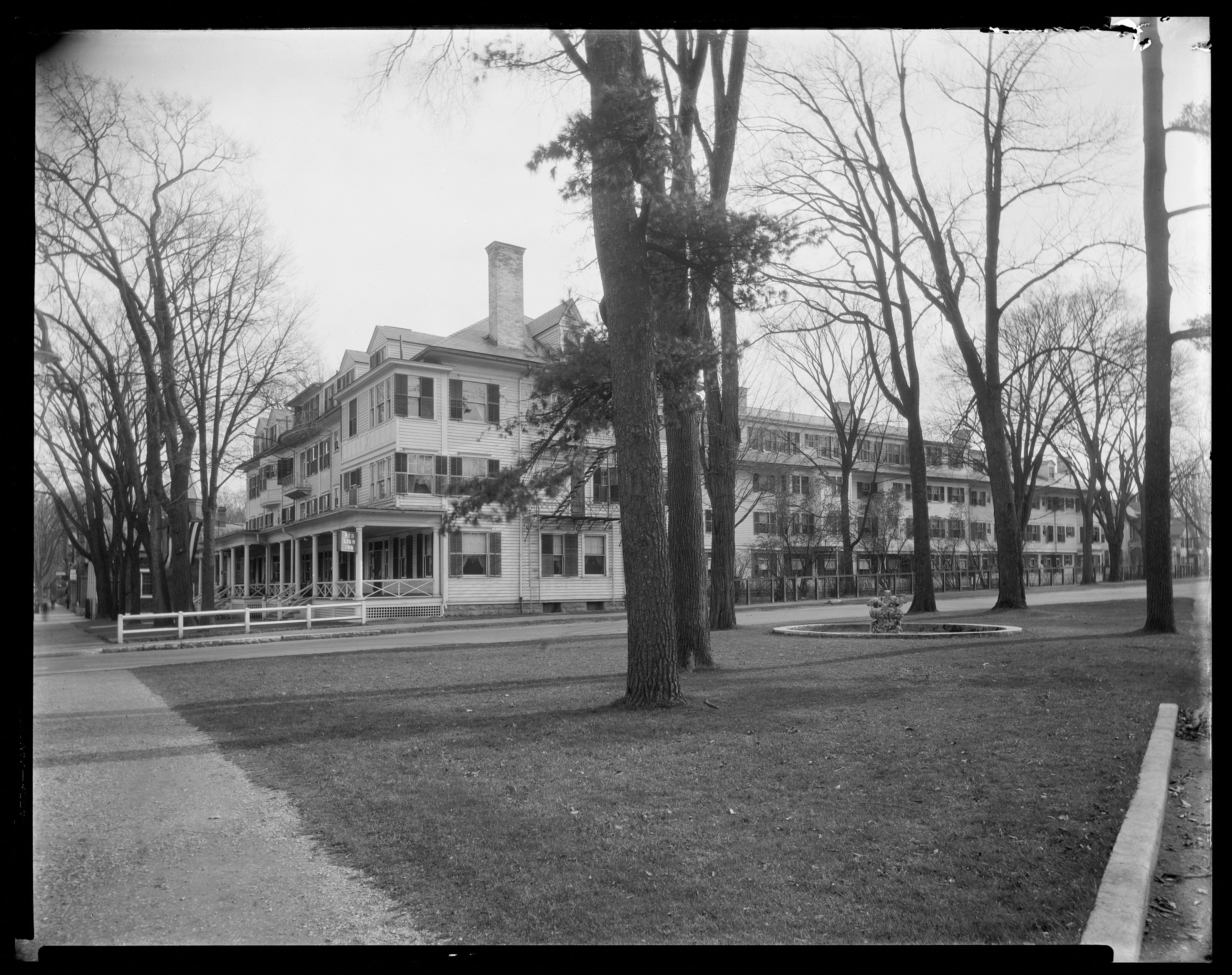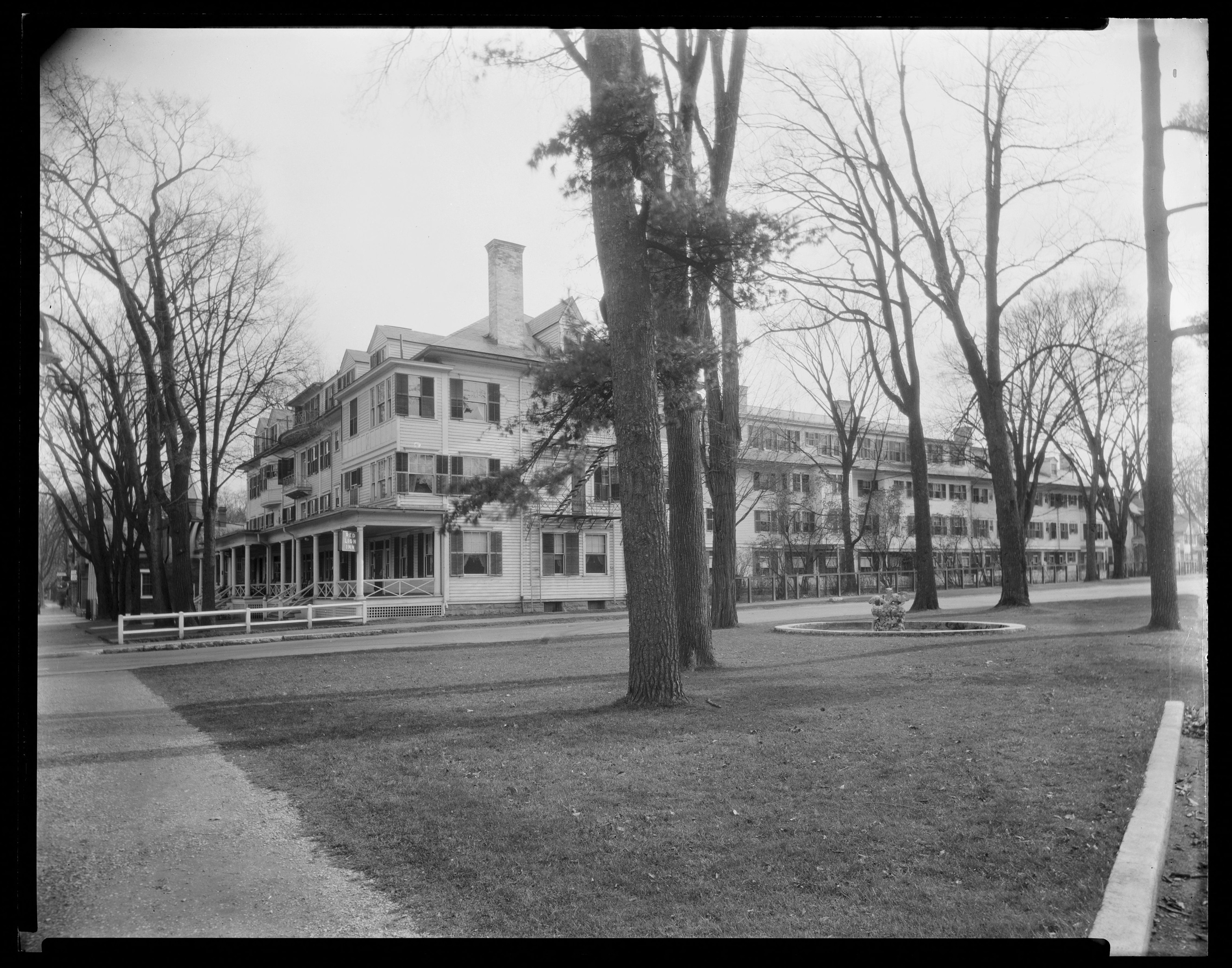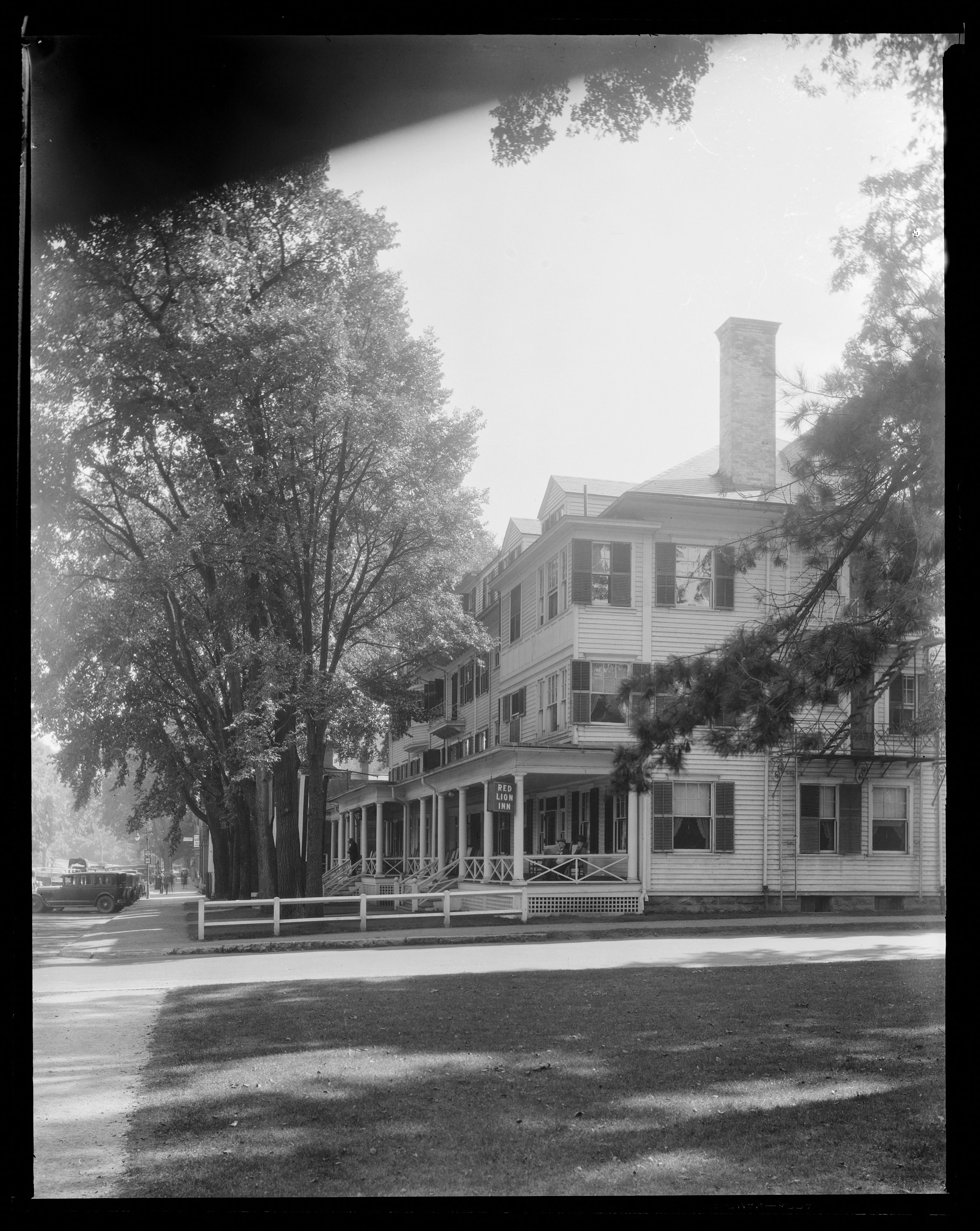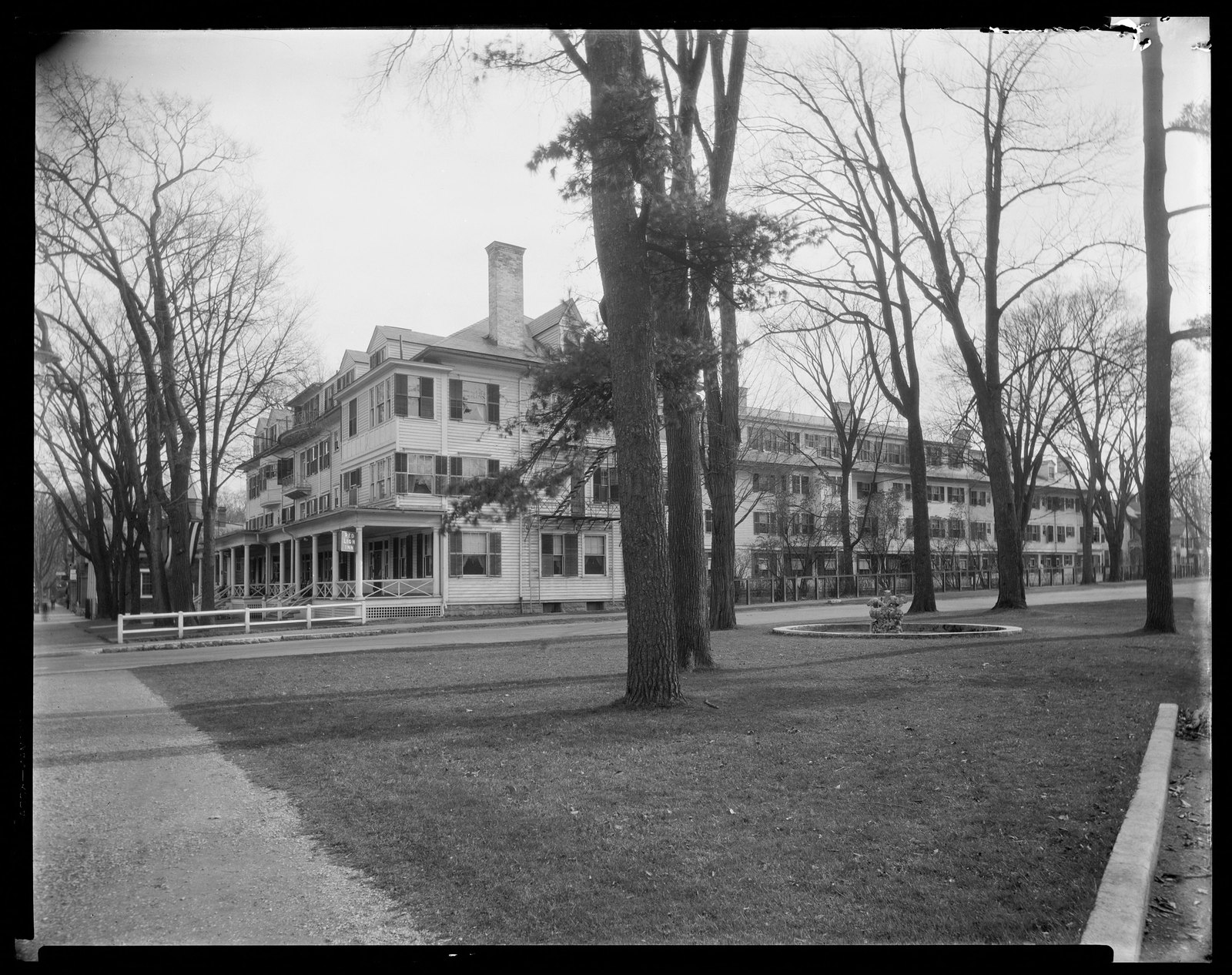
The oldest-looking building on Stockbridge’s Main Street went up in 1897. The inn it replaced burned to the ground early on the morning of 31 August 1896 — at twenty past four, by the New-York Tribune’s account — with about 165 guests asleep in it. The new one was drawn, a New York paper reported that October, “to be as much as possible like the old one.” It worked well enough that most people who stay there now take it for the eighteenth-century tavern it stands in for.
I. The fire
The New-York Tribune ran it on its front page the next day, under a Pittsfield dateline: “The most disastrous fire Stockbridge has ever experienced took place at 4:20 o’clock this morning, when the famous old Stockbridge House was burned to the ground. About 165 guests were asleep in the house, and when warned of the fire by Allen Treadway, they escaped, many of them in their night clothes.” The flames “started from an over-heated range in the pantry kitchen.” Steamers came from Lee and Great Barrington. “By 9 o’clock,” the house “was a heap of smouldering ruins.”
The papers do not agree on much beyond that. The Connecticut Western News of Salisbury had the inn “totally destroyed by fire at about five o’clock Monday morning,” in the pastry kitchen, where “it is believed that the baker was using kerosene to make his fire burn better,” with “about 169” guests. The Bridgeton Pioneer in New Jersey counted 189, and said: “Only the front wall, which dates from 1773, was left standing.” The Tribune gave the insurance as $25,000. The other two gave $20,000 on the building and $5,000 on the contents. The Bridgeton paper also has the church bell rung to call out the firemen, by Mrs. Lizzie M. Dunbar.
The house was full of old things, and they were the story. The Tribune again: “Mrs. Plumb had the most valuable collection of Colonial china in America, much of which was injured in removing it from the burning building.” Two sentences earlier, in the same report: “Many of the things were saved.” A later account quotes the Great Barrington Berkshire Courier as saying the collection was saved; that report has not been found.
II. Built to look old
Seven weeks after the fire the Tribune’s Stockbridge correspondent had the plan. “The new Red Lion Inn, for which H. Neill Wilson is making plans, is to be as much as possible like the old one, and will retain the simple, homelike character which always distinguished that.” Three stories, “old Colonial in design,” the kitchen “absolutely fireproof,” and in the basement “storage rooms for bicycles, and billiard tables.” It would stand “on the same site, only a little further back.” The New-York Tribune expected it ready the following June.
Two other papers of 1896 and 1897 name the same architect: the Springfield Republican, which spells him Niell, and the Connecticut Western News, which gives him as “H Neil Wilson, of Pittsfield” and the building as 125 feet long “with a large ‘L’ running back. There is a broad piazza in front.” It was to be finished by the first of May. One modern account, Buildings of New England (2020), gives the architect as Harry E. Weeks of Pittsfield. Nothing found from the 1890s supports that. Both are recorded here.
How big it was depends on who is counting. Sarah Cabot Sedgwick and Christina Marquand, in Stockbridge 1739–1939, say it was rebuilt “to accommodate two hundred persons.” Clark Bryan’s Book of Berkshire, describing the house before the fire, in 1886, gives the old one “seventy to eighty guests” after an addition of 1884; his 1890 edition says about a hundred.
III. What the old house was
Bryan is the best description of the building that burned. He has the west end “erected in 1774, or thereabouts,” with beams too big for the walls, so “they project into the rooms”; doors “of Dutch fashion”; and, through the halls, “spinning wheels, reels, warming pans, old sleigh bells, an Indian tomahawk found at Ticonderoga, deers’ antlers, old clocks.” About forty years before he wrote, “an addition of thirty-six feet front was built on one side of the old house, and the new addition of 1884 is of about the same size.”
Most accounts date the first house to 1773. Bryan says 1774. The Sedgwick and Marquand history has it owned at the start by Silas Pepoon, “a man of substance,” with “eight bedrooms and a large ballroom upstairs”; two recent accounts give the founding to Anna and Silas Bingham and have Pepoon buying in 1807. The same history says the name changed to the Stockbridge House about 1812. A paper of 1896 says 1846. The 1896 reports call the house by both names at once.
IV. Who owned it
Stockbridge 1739–1939 gives it plainly: “Henry L. Plumb bought it in 1862, and since then it has remained almost entirely in the Plumb family.”
Forty-two years after that purchase someone else claimed it. On 27 June 1904, two days after Heaton Hall opened on the hill above the village, a letter to the Springfield Republican signed “H. Heaton” told the story of three generations of a hotel family. The family kept the United States Hotel in Pittsfield from 1852. Then: “Forty-two years ago the writer bought the old Stockbridge house in Stockbridge, and the great success of that enterprise was due entirely to this little woman” — his mother. And: “The old Stockbridge house became the property of Mrs Plumb.” Two accounts of the same year, 1862, with two different buyers. Neither cites a deed.
The 1874 directory has the hotel in one Plumb’s hands and a second Plumb behind the desk: Plumb C. H., hotel and Plumb H. L., clerk (image 509). It also has a Heaton Hiram, Jr. in Stockbridge (image 507). The Tribune of 1896 gives C. H. Plumb as proprietor “since 1873.”
V. Mrs. Plumb
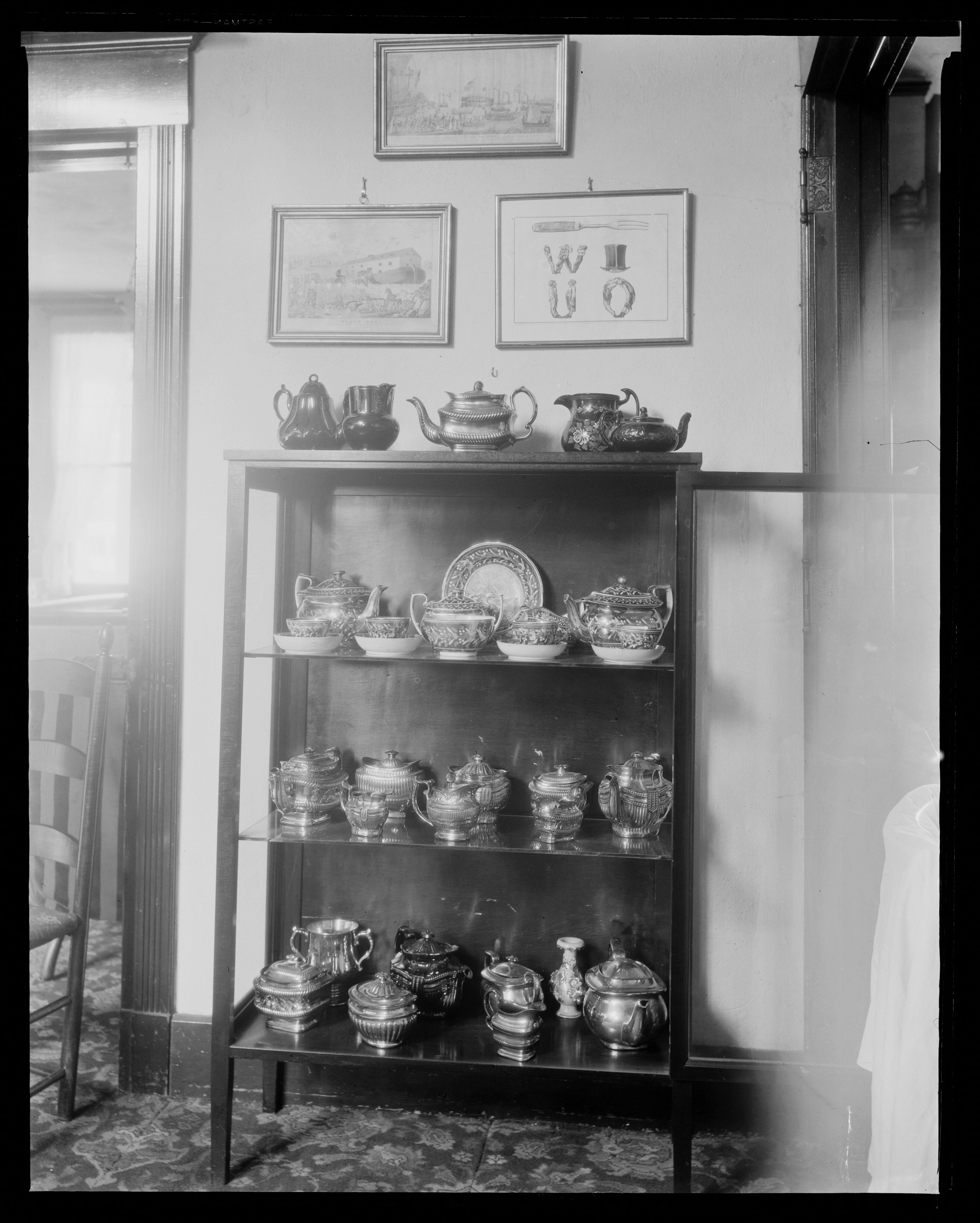
She is the person every account turns to and none names fully. Her will, as the Springfield Republican printed it in March 1916, calls her “Mrs Mert H. Plumb.” The same paper’s obituary, a week earlier, ran under “Death of Mrs M. H. Plumb, Owner of Red Lion Inn.” She had died suddenly at DeLand, Florida, “about 85 years of age.” Her husband, “Charles Hempsted Plumb,” had died in September 1900, and with his death she “came into the possession of the valuable property of the Red Lion inn. In which is housed the much prized collection of antiques and many rare pieces of copper luster, of which Mrs Plumb was an enthusiastic connoisseur throughout her life.”
The will names the family. A sister, “Mrs Harriet H. Treadway, mother of Congressman A. T. Treadway.” A great-nephew, Heaton I. Treadway. And a niece: “Mary Heaton Vorse O’Brien, daughter of Mrs Plumb’s brother” — the labor journalist Mary Heaton Vorse, whom the obituary calls “the well known writer.” The middle initial, the niece’s name, Heaton Hall and the H. Heaton who said he bought the house in 1862 point the same way, toward a Plumb who was born a Heaton. No record found says so outright, and this page does not.
The will also names the staff. $500 to James H. Punderson, the manager; $250 each to Patrick Coyle and James O’Brien; $100 to Mary A. King. “The last four have been employes at the Red Lion inn for many years.” Seven years later the 1923–25 directory still has Coyle Patrick emp Red Lion Inn h Shamrock (image 314) and O’Brien … James (Nellie A) emp Red Lion h South (image 331). The residue, about $50,000 by the paper’s estimate, went to Congressman Treadway, who was named executor.
VI. The Treadways
Allen T. Treadway raised the alarm in 1896, and he was already running the place. The Tribune said that Mr. Plumb would not rebuild, and that “Treadway [&] Punderson, who have been the active managers of the hotel for the last three years,” might. Stockbridge 1739–1939 calls him “Mrs. Charles Plumb’s nephew,” which the 1916 obituary confirms: “Mrs Plumb is survived by her nephew, Congressman Allen T. Treadway.” At least one modern account calls him Mr. Plumb’s nephew and another the Plumbs’ great-nephew.
He owned Heaton Hall from its opening in 1904. In the 1923–25 directory he is Red Lion Inn (Allen T Treadway propr) hotel Main (image 334), his son Heaton Hall (Heaton I Treadway prop) hotel Prospect Hill (image 321), and Punderson James H (Clara H) manager Red Lion Inn (image 333). In 1926, Treadway Allen T., (Sylvia S.) Congressman, also prop. Red Lion Inn (image 310). There was a Red Lion Garage by then, with the son as proprietor.
The Congressman did not live at the inn. Stockbridge 1739–1939 says the elm William Edwards planted in front of his house in the eighteenth century stood in front of what was, in 1939, “the house of Mr. Allen T. Treadway” — the house called The Elms, now part of the Austen Riggs Center across the street.
VII. The block in 1904
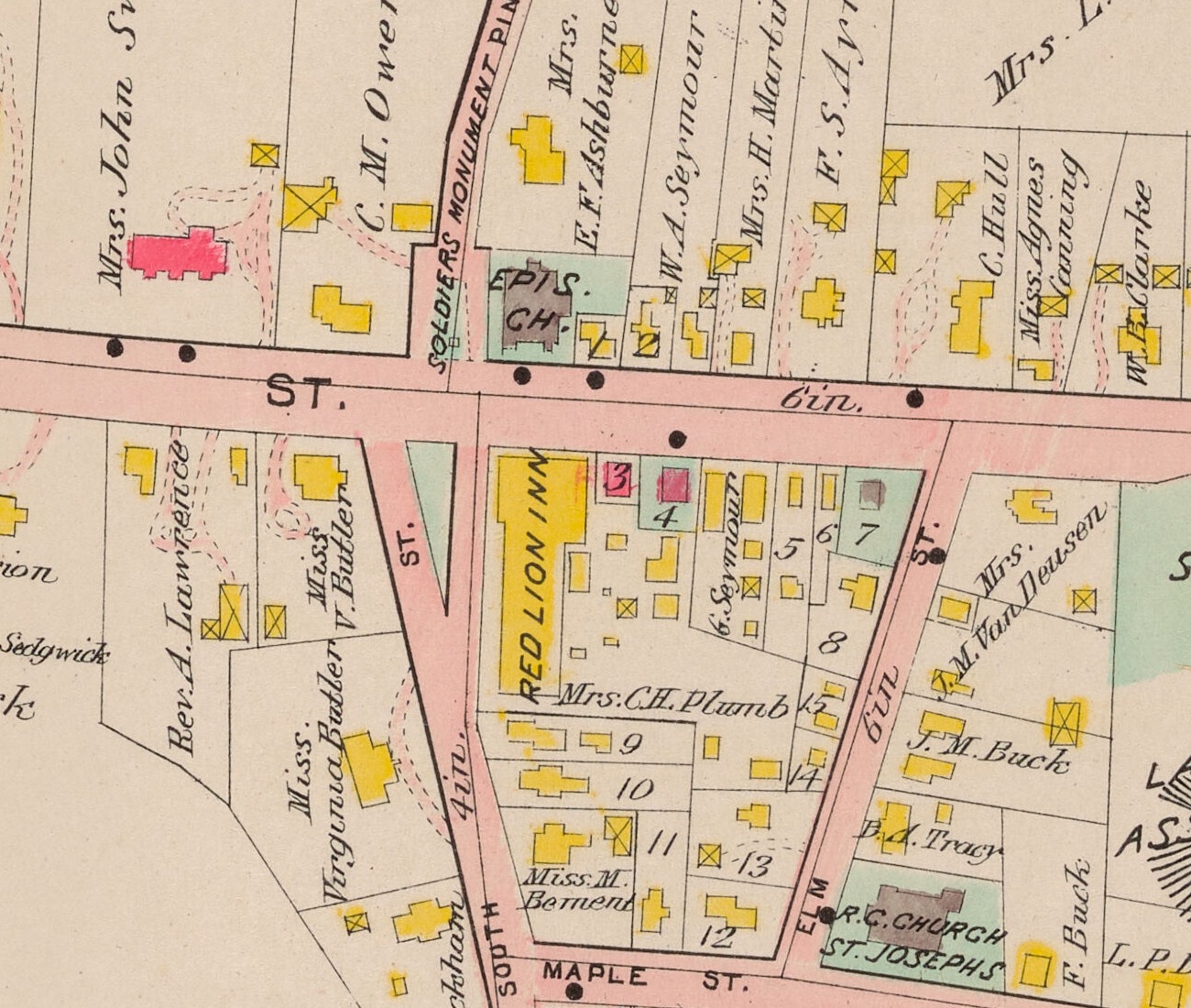
The county atlas of 1904 caught the new inn seven years old. plate 28 letters RED LION INN along a long building colored yellow — the atlas’s color for wood, which squares with the “frame structure” one paper reported in 1896 — with Mrs. C. H. Plumb lettered on the land behind it. The small pink building at its corner, numbered 3, is the Housatonic National Bank. Up the hill, the plate letters HEATON HALL with Allen T. Treadway under it.
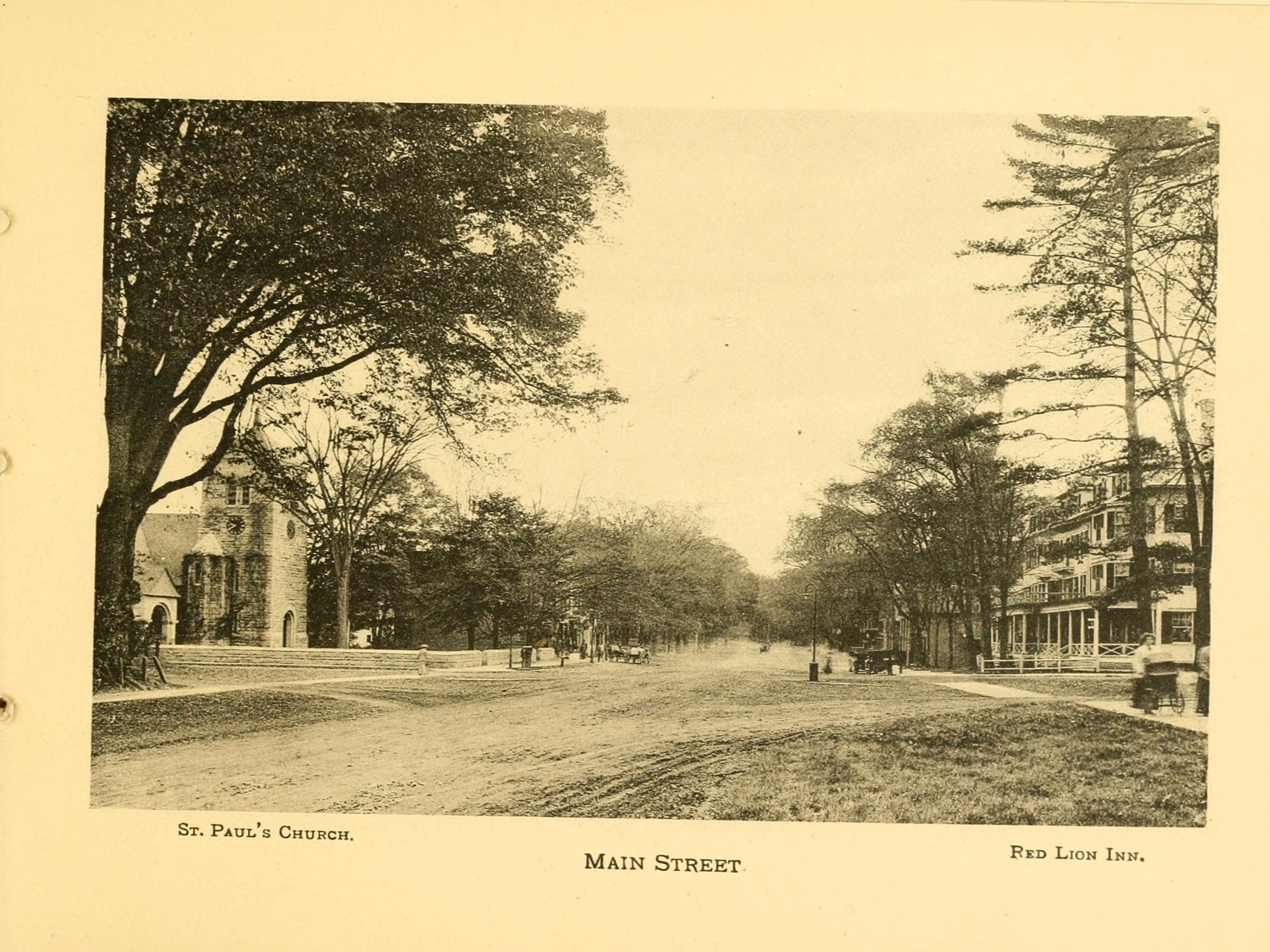
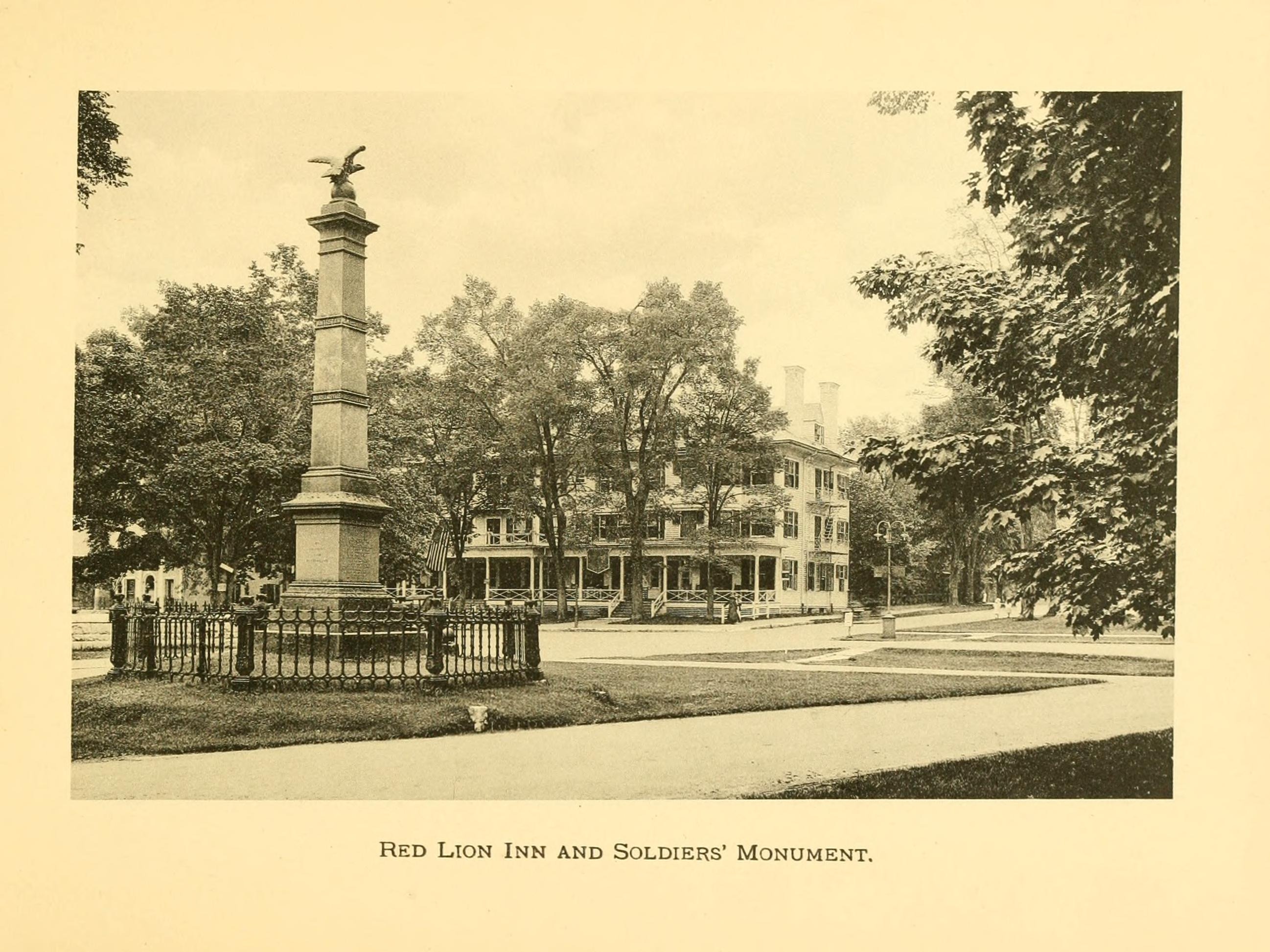
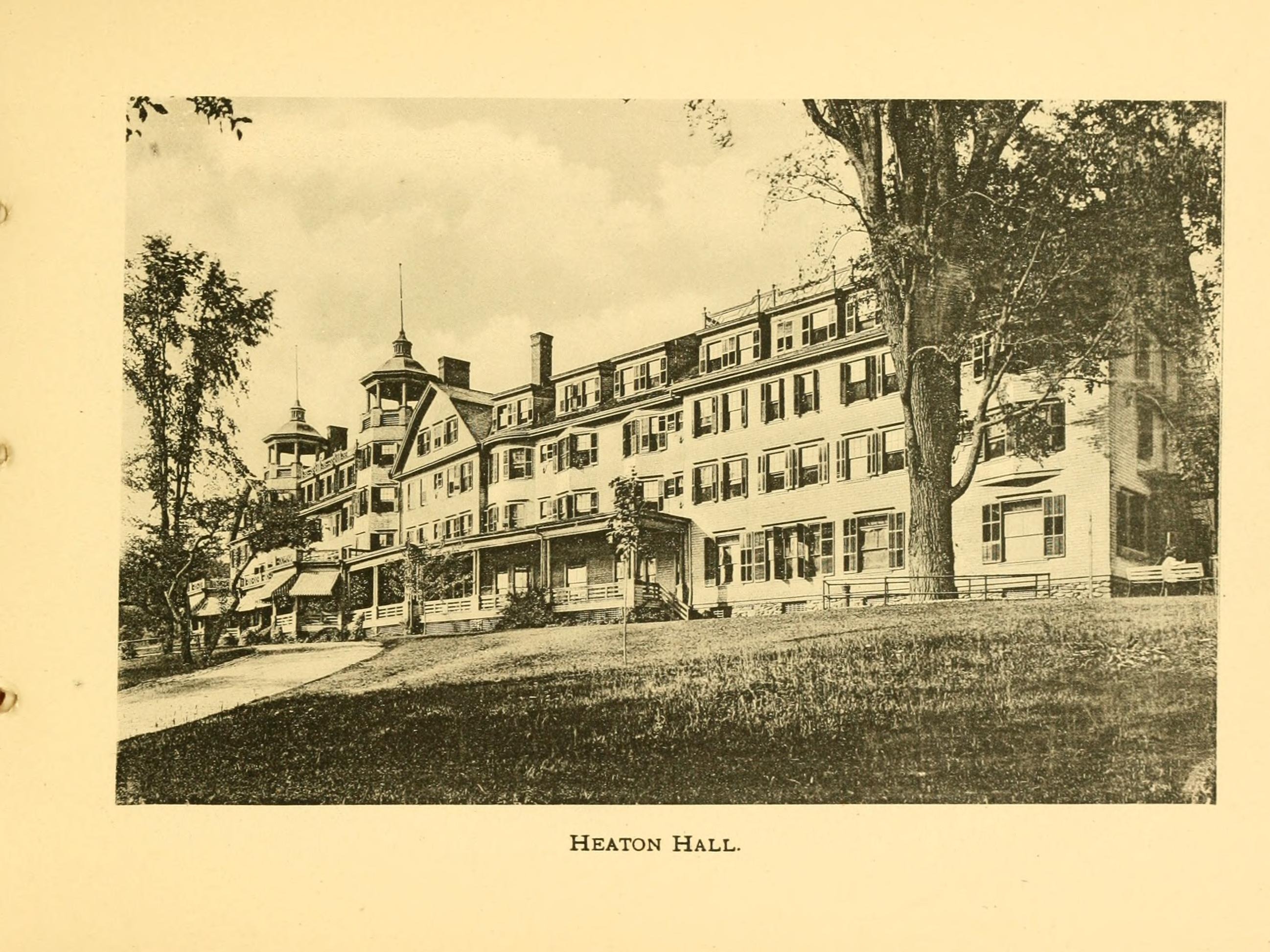
The little picture book Glimpses of Stockbridge and Vicinity, published in Stockbridge by E. A. Benjamin, has the inn twice and says it plainly: “The Red Lion Inn, on Main Street, and Heaton Hall, on Prospect Hill, are both famous hotels.” The Internet Archive catalogs the book as 1900. The book itself speaks of “the late Hon. Joseph H. Choate” and gives Shadow Brook as the residence of Andrew Carnegie, which puts it well after 1900.
VIII. The rooms, a generation later
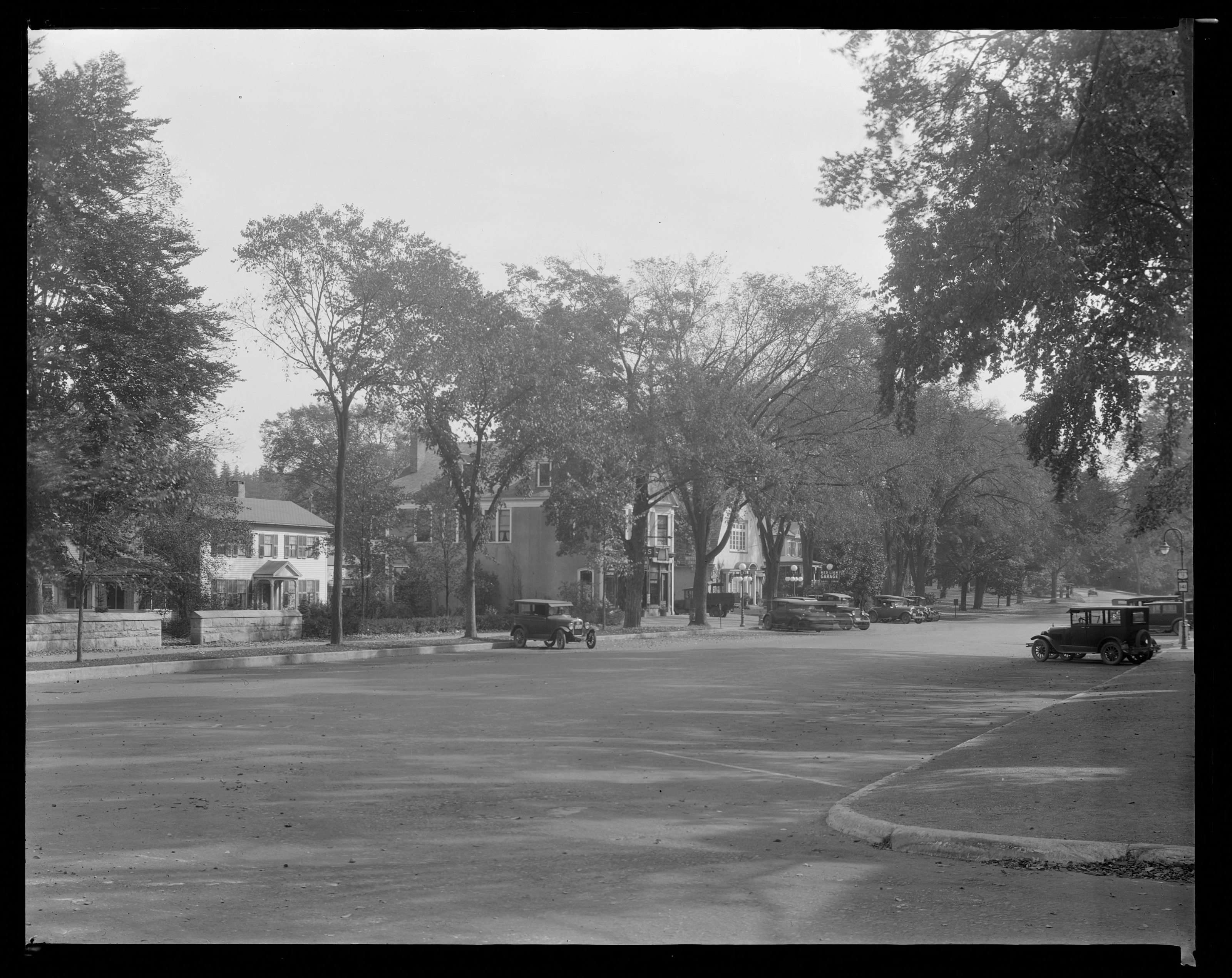
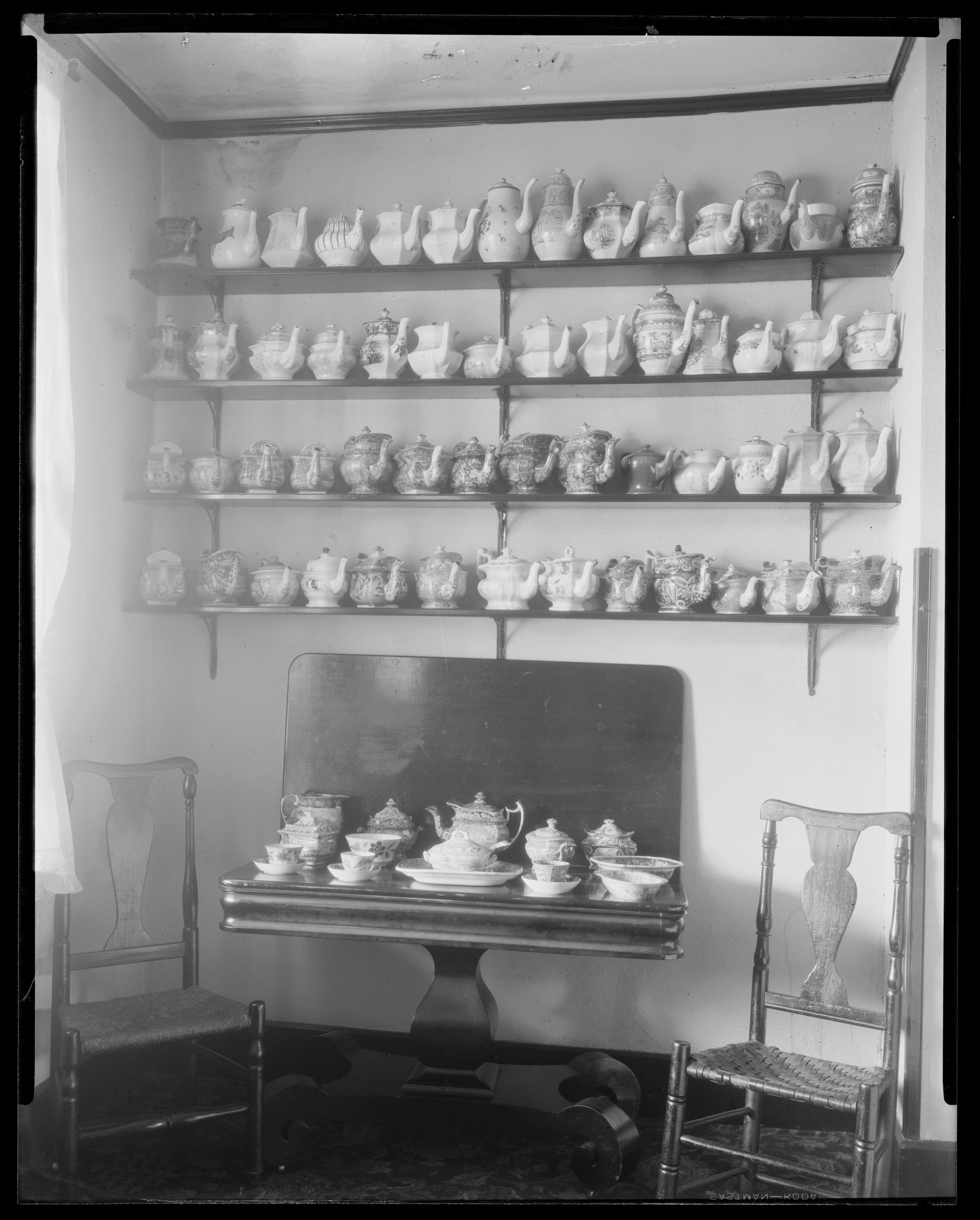
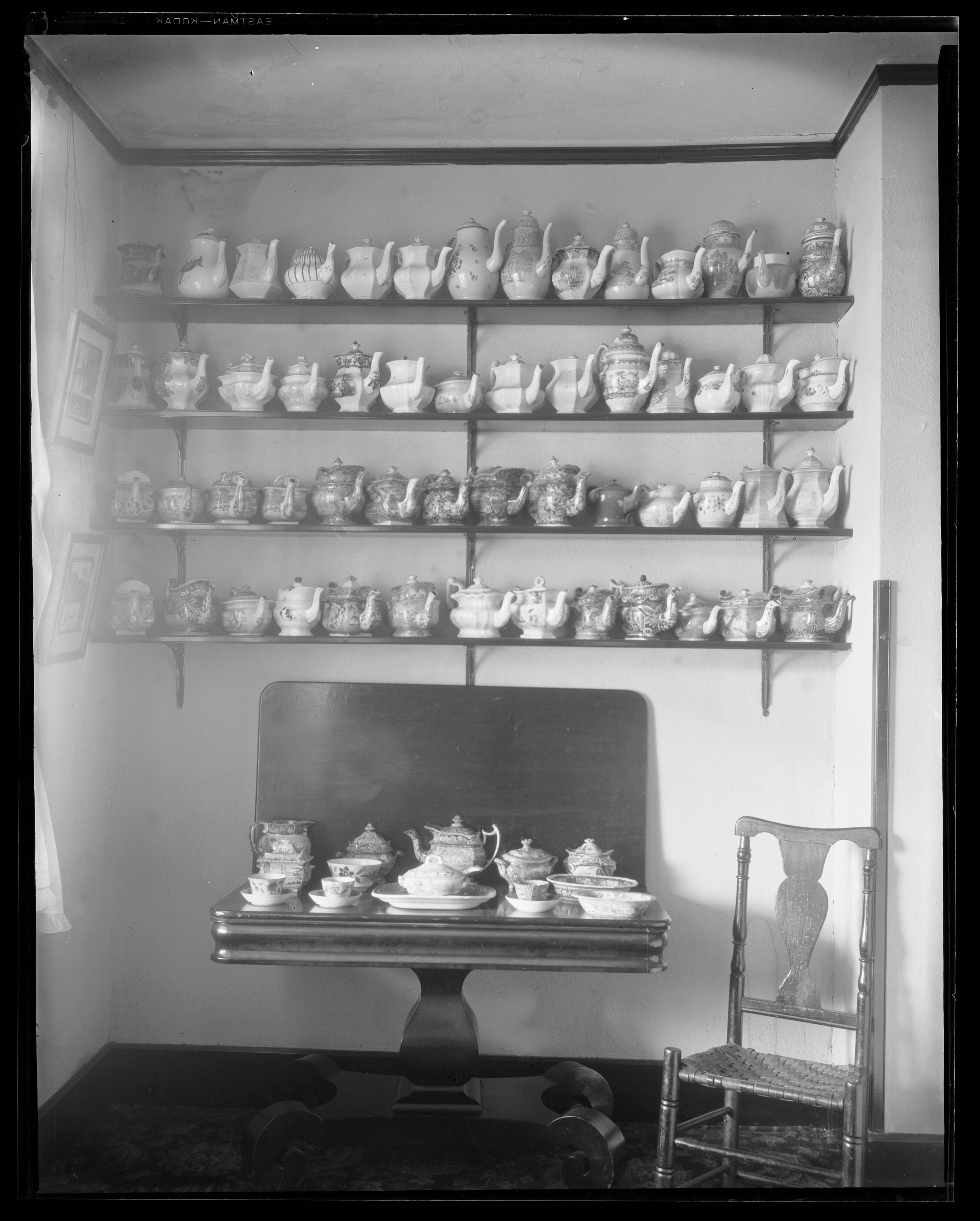
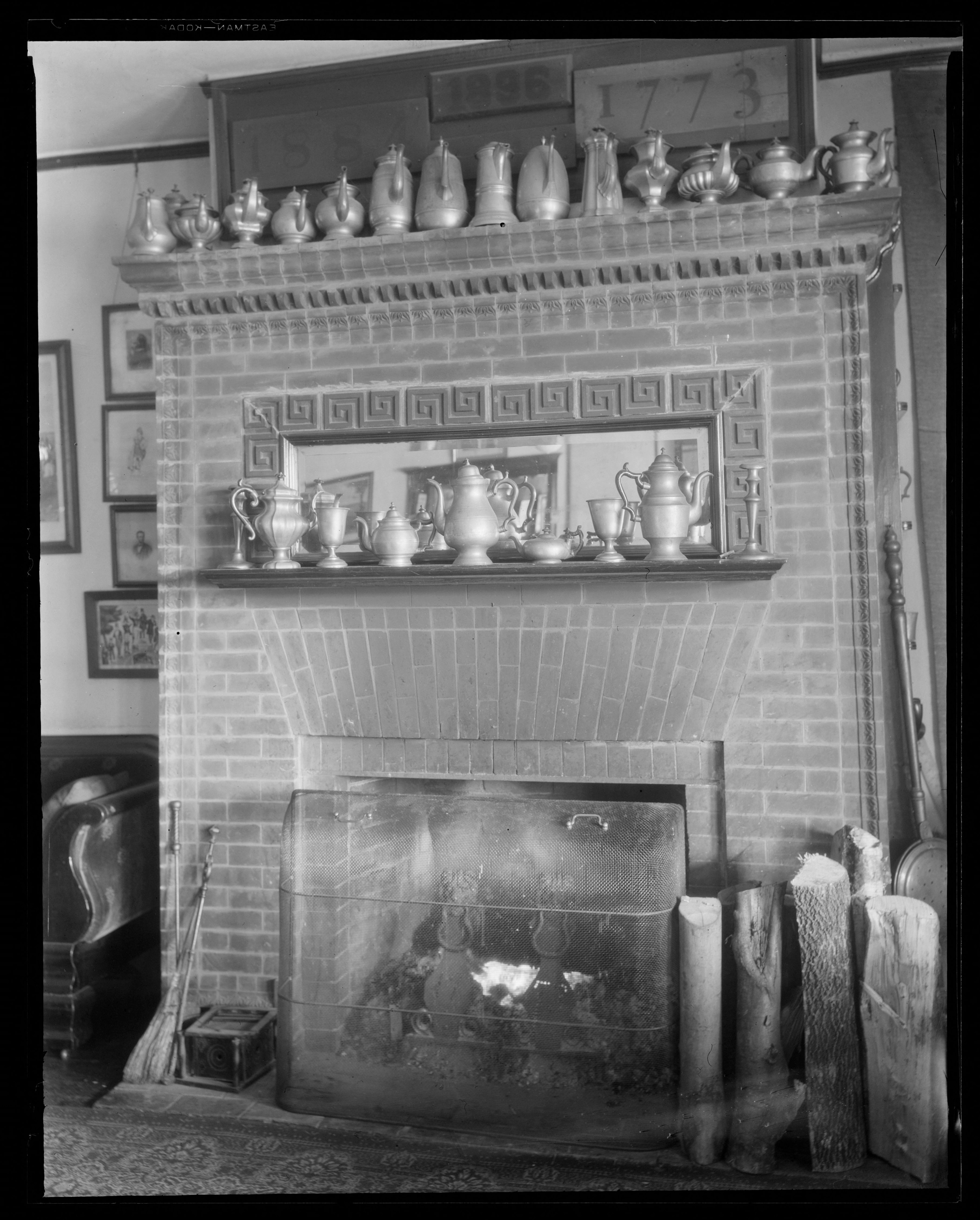
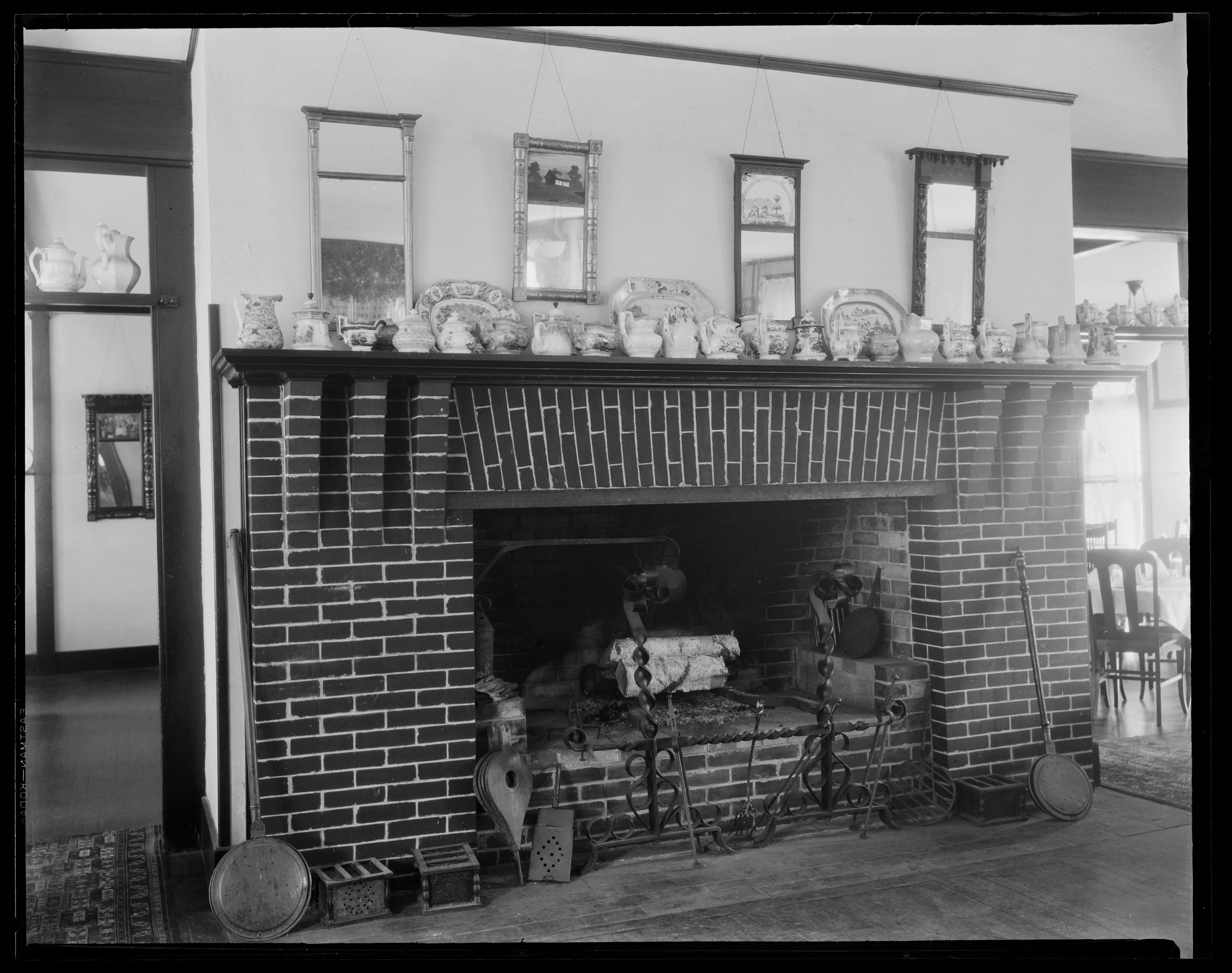
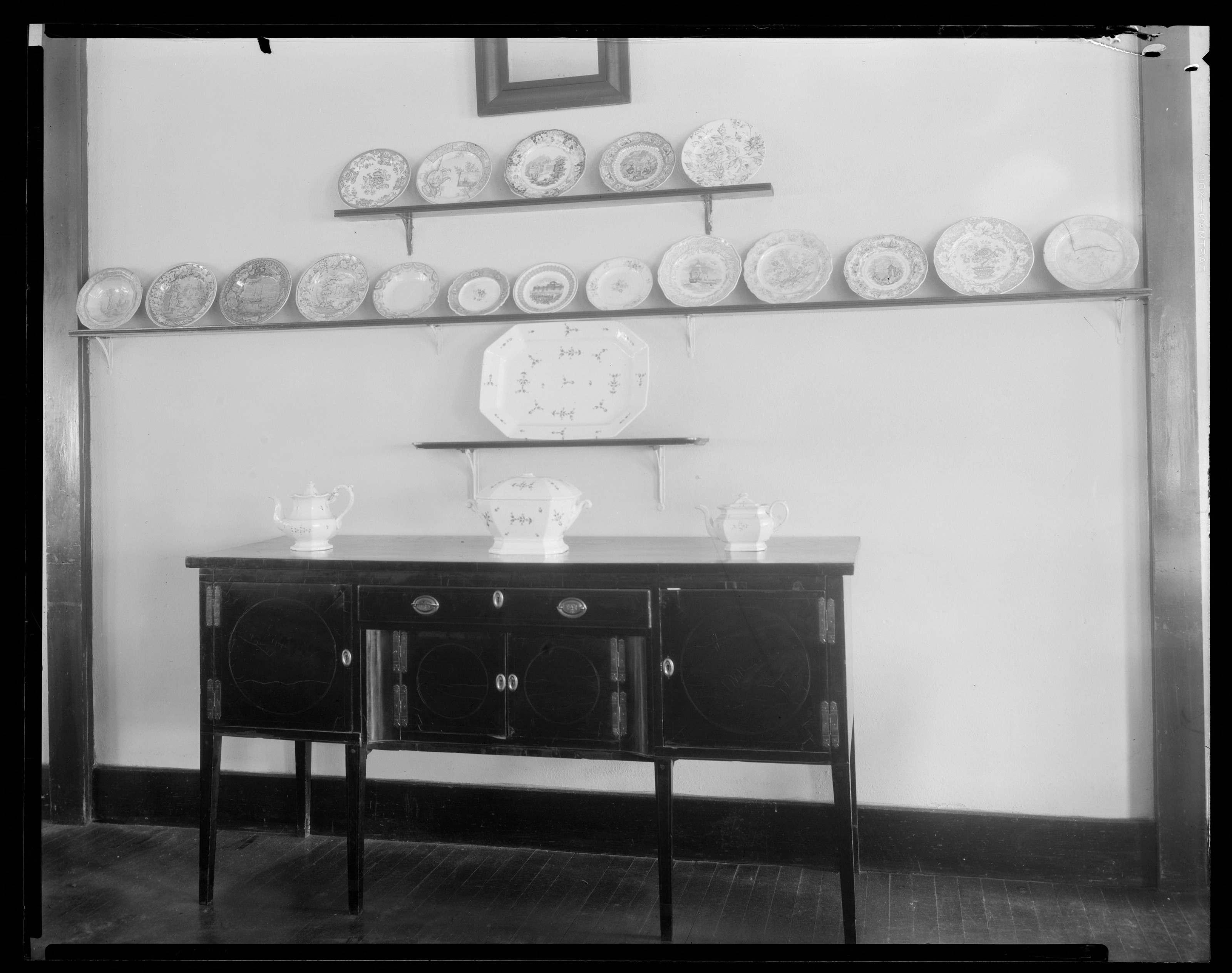
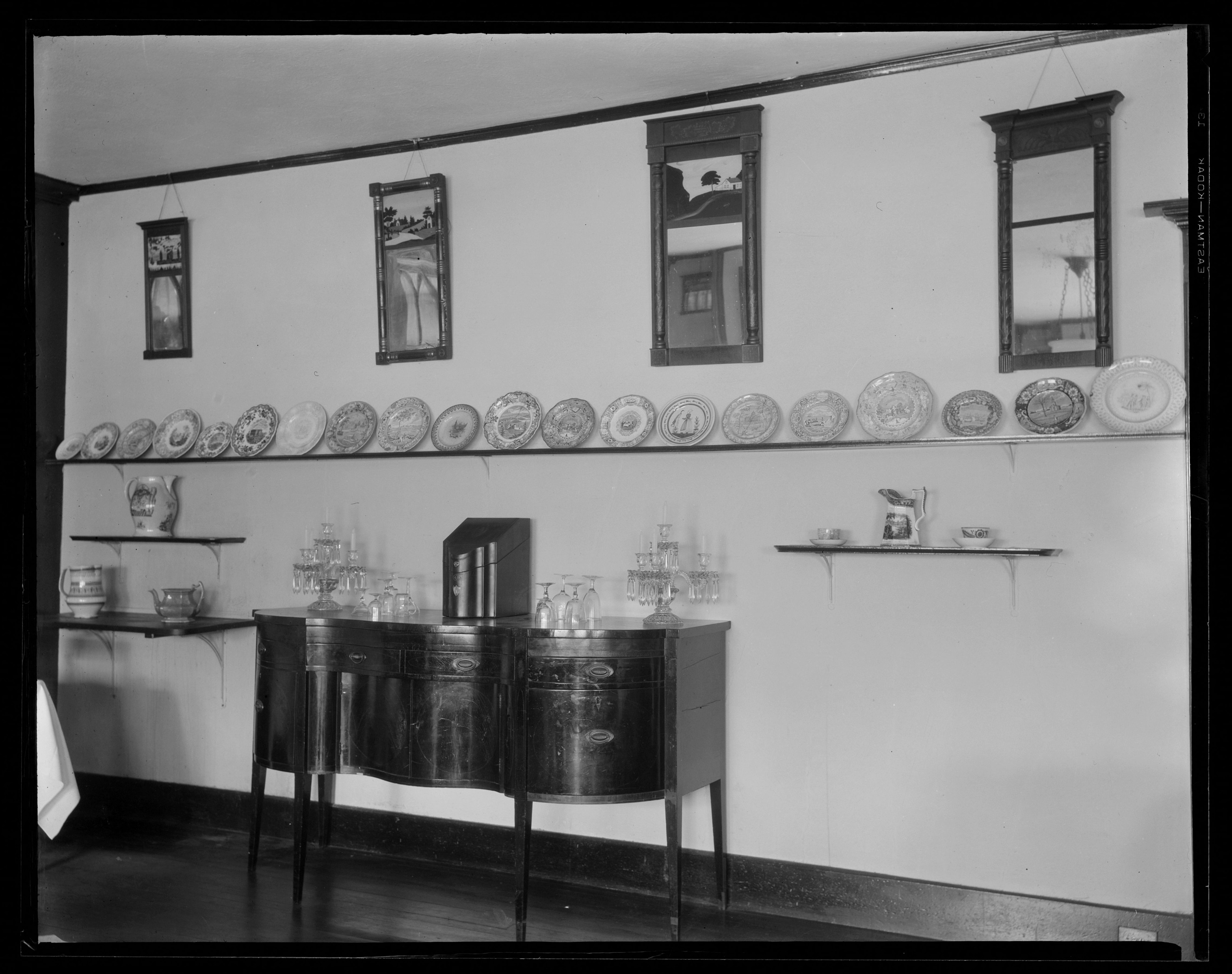
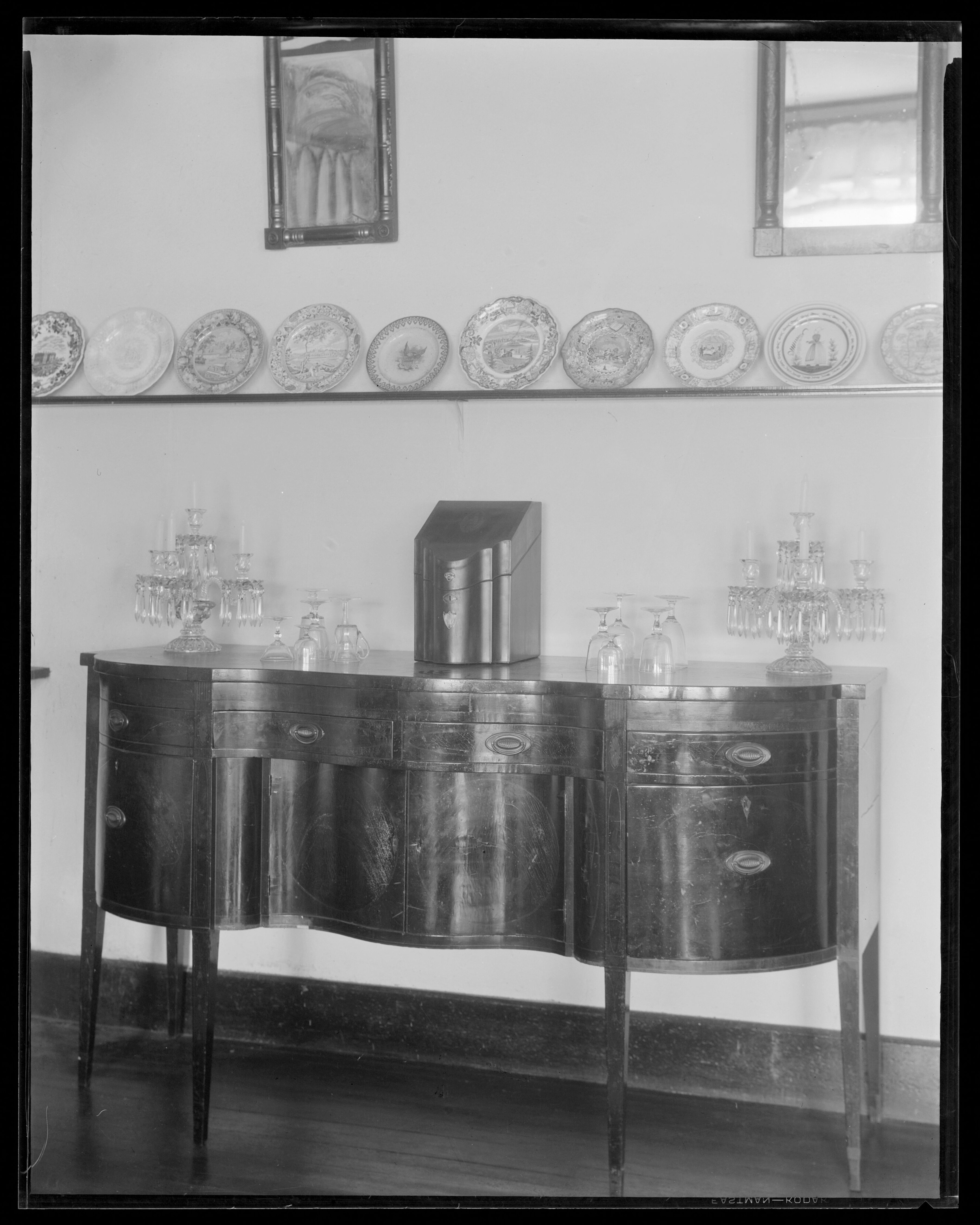
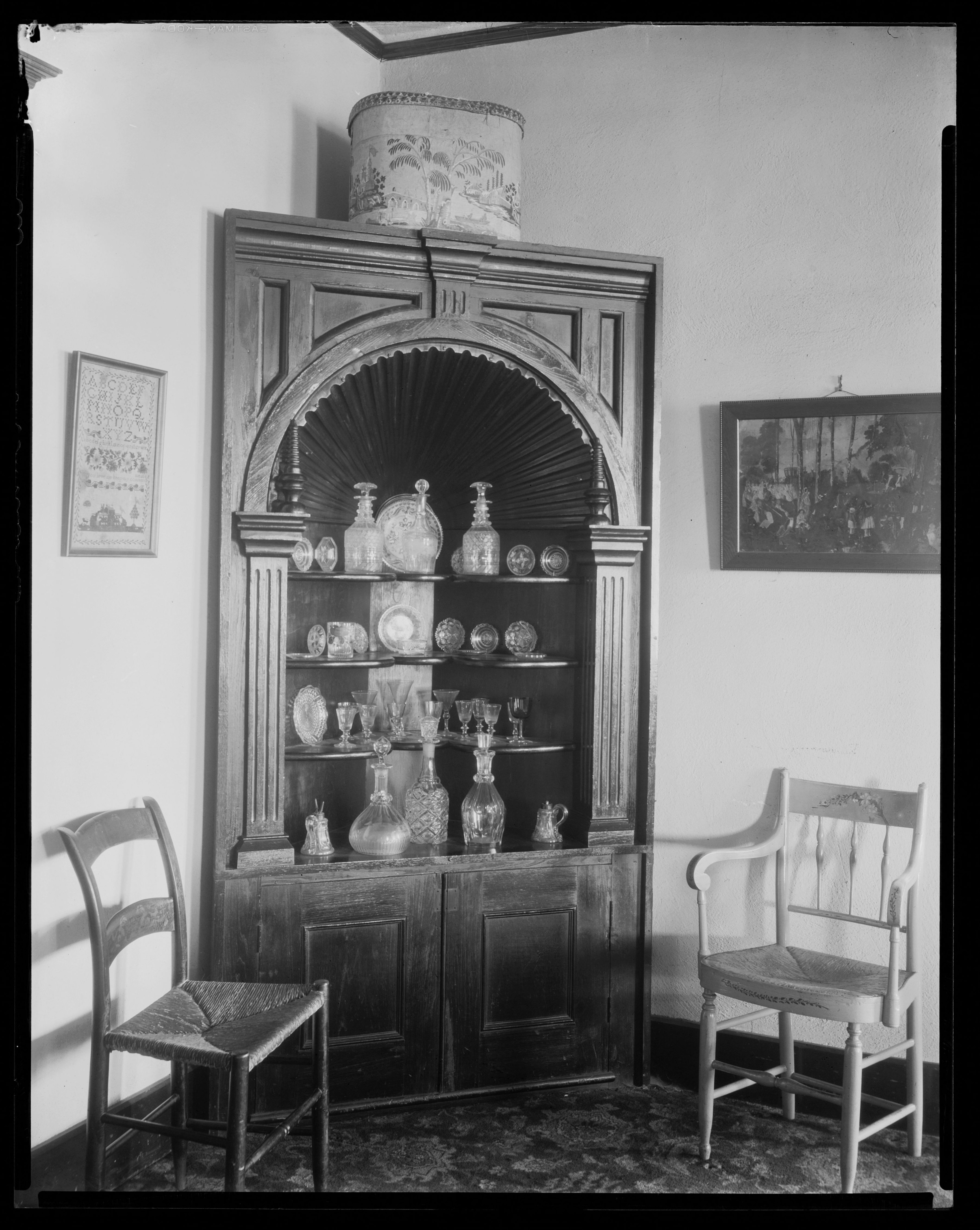
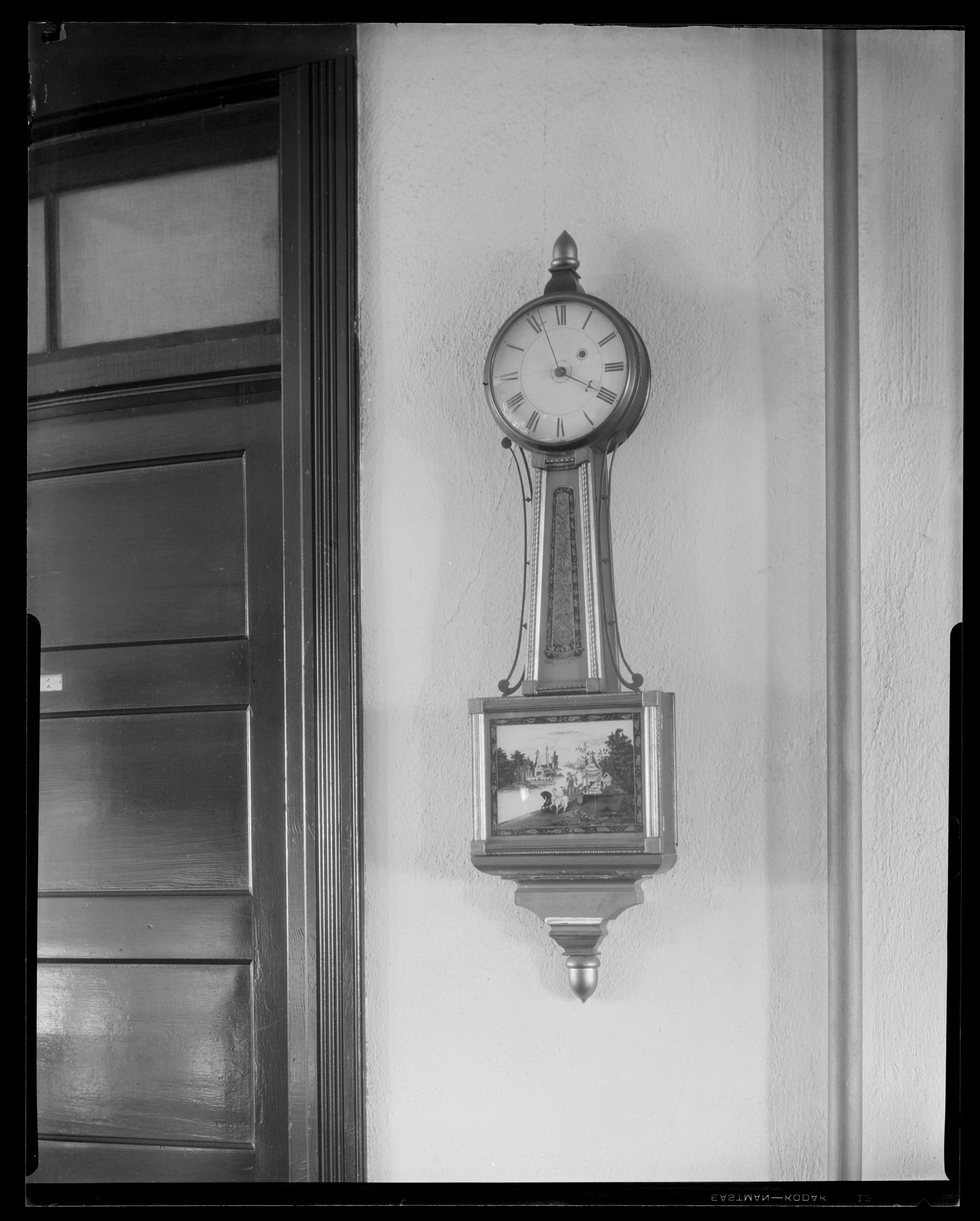
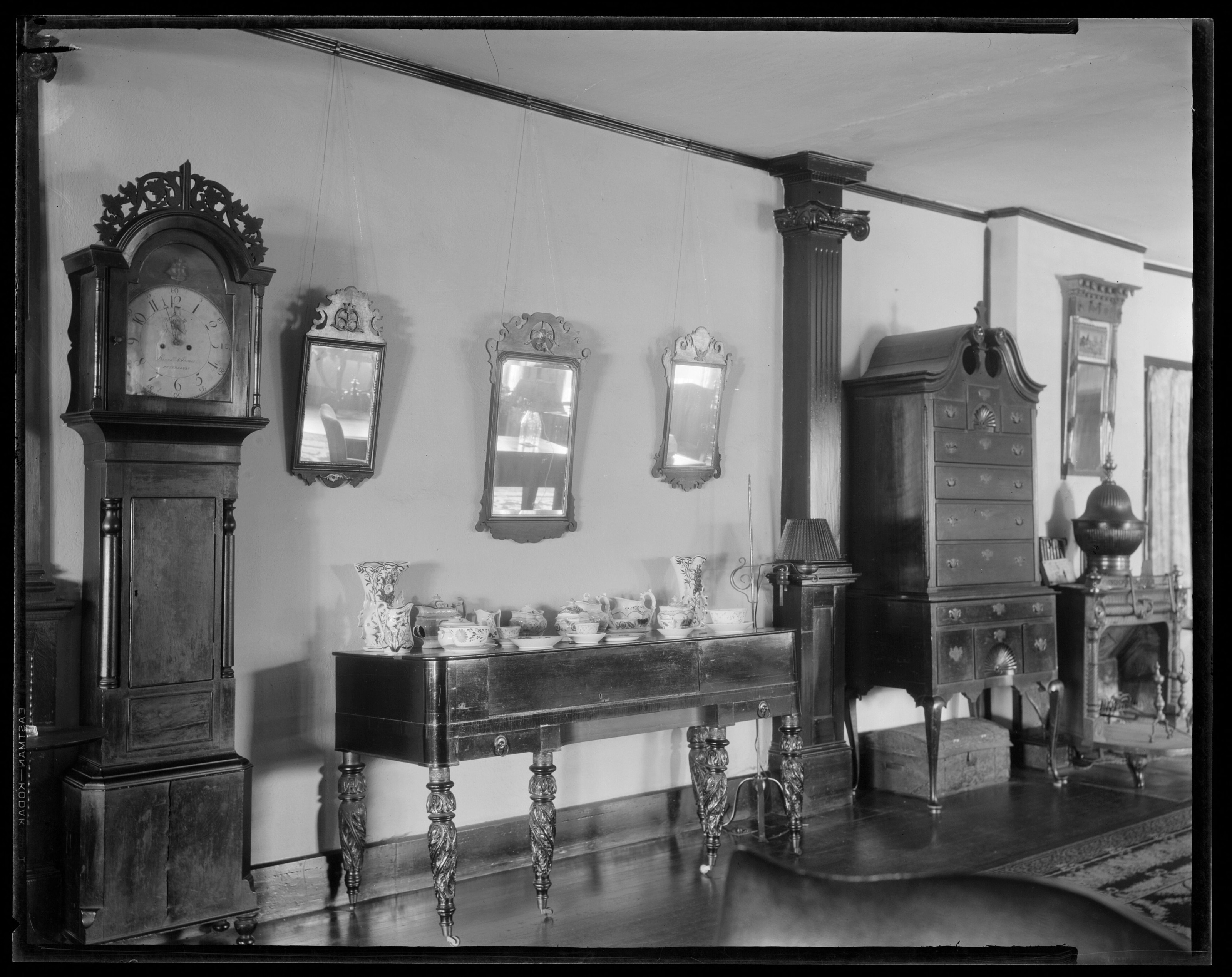
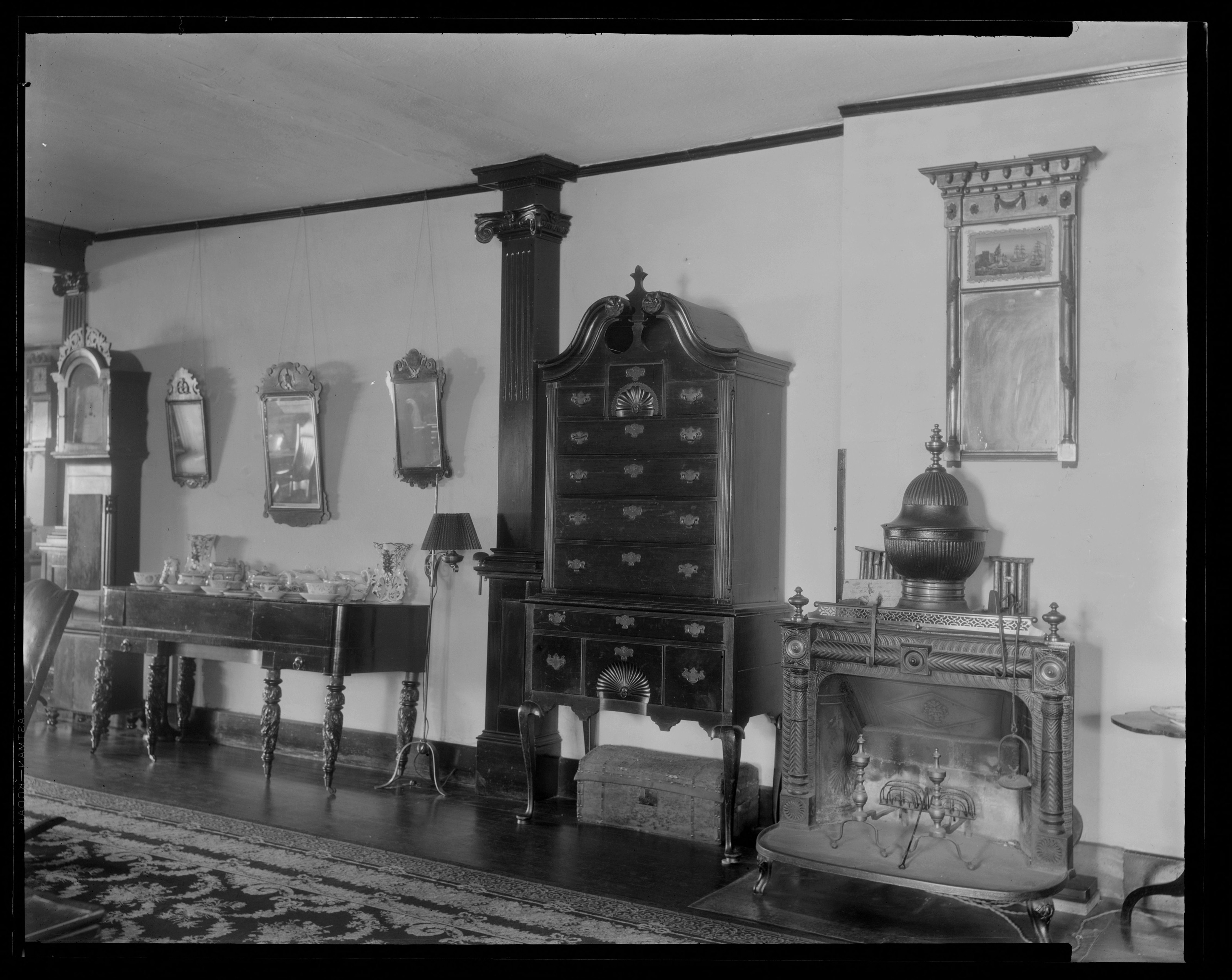
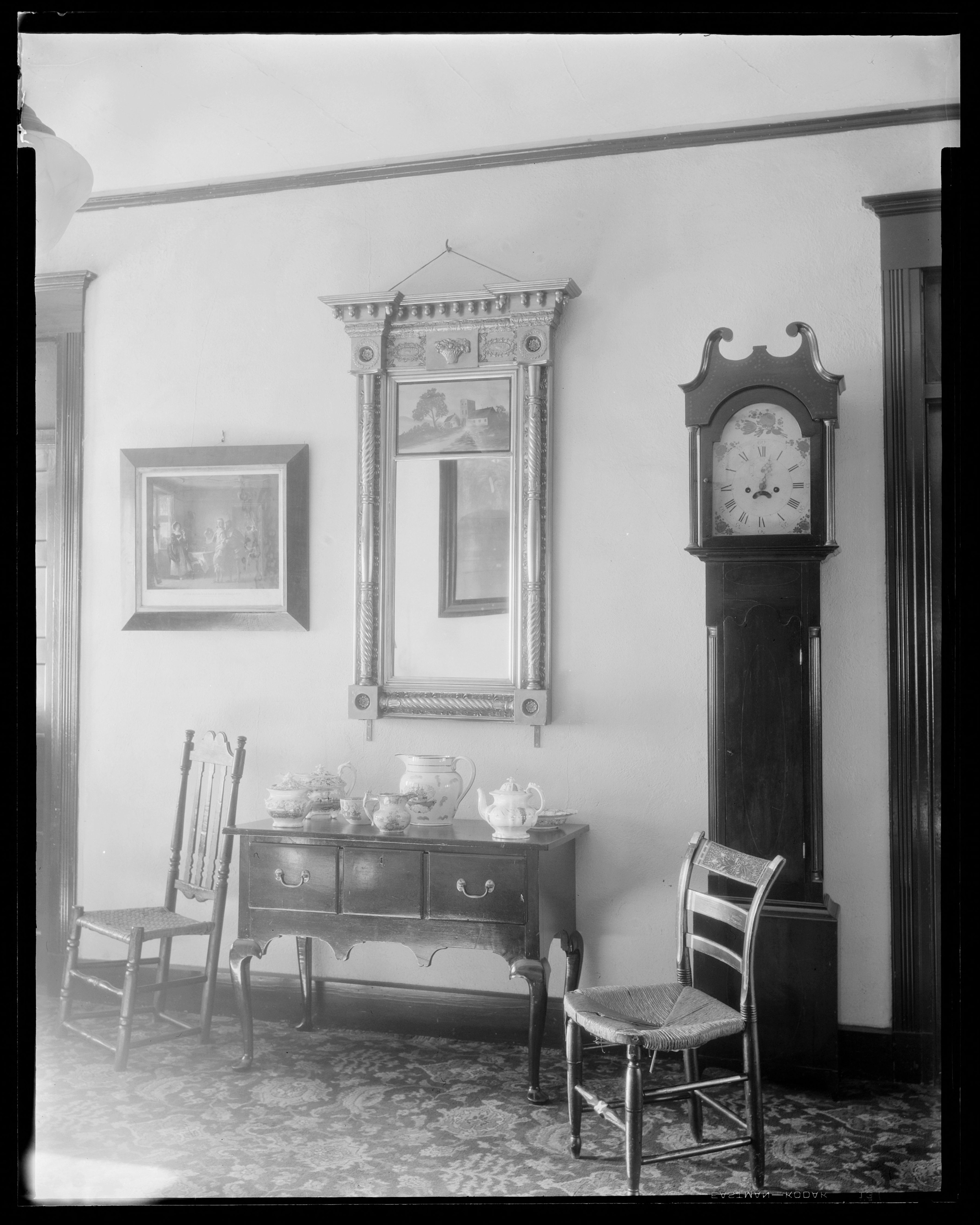
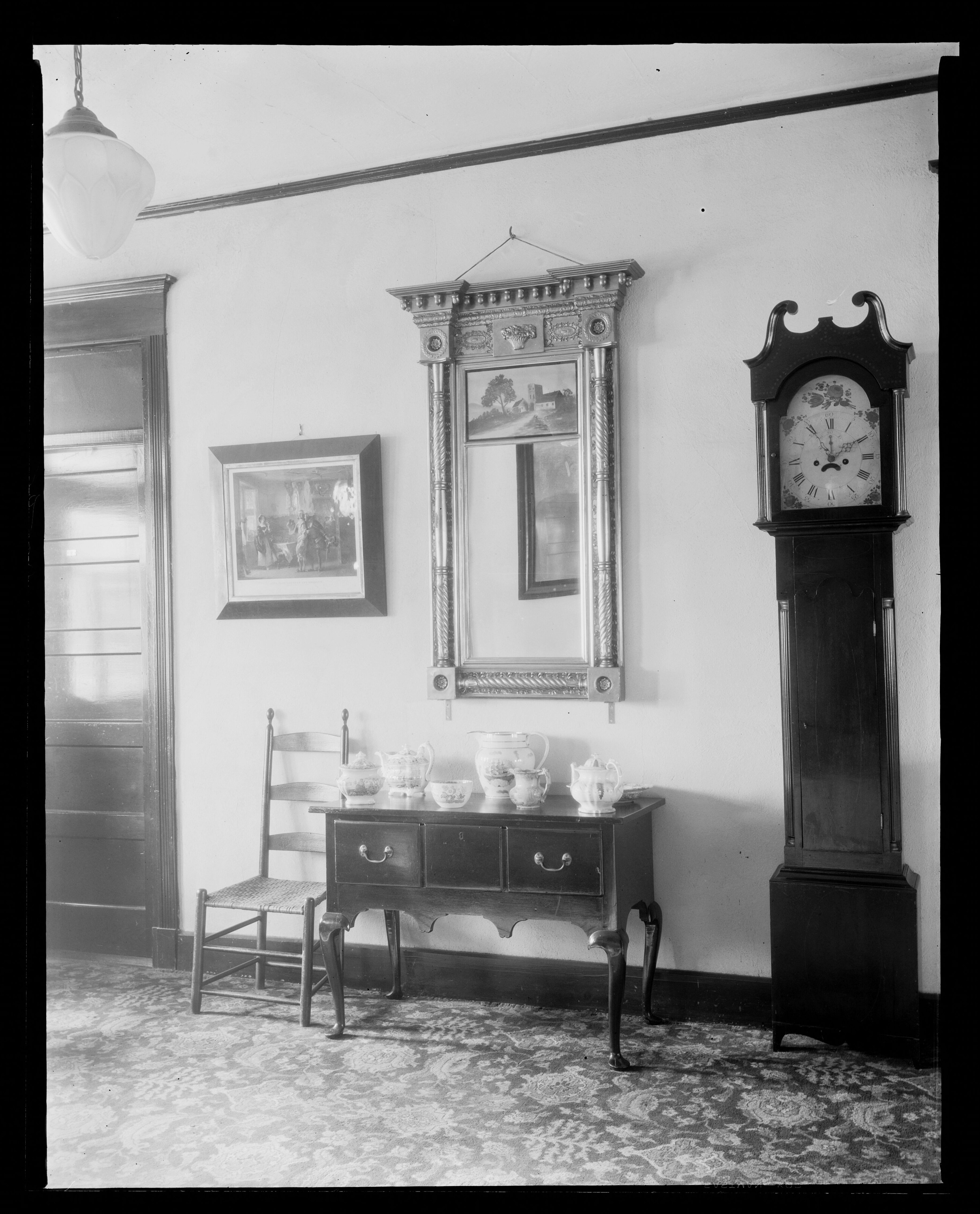
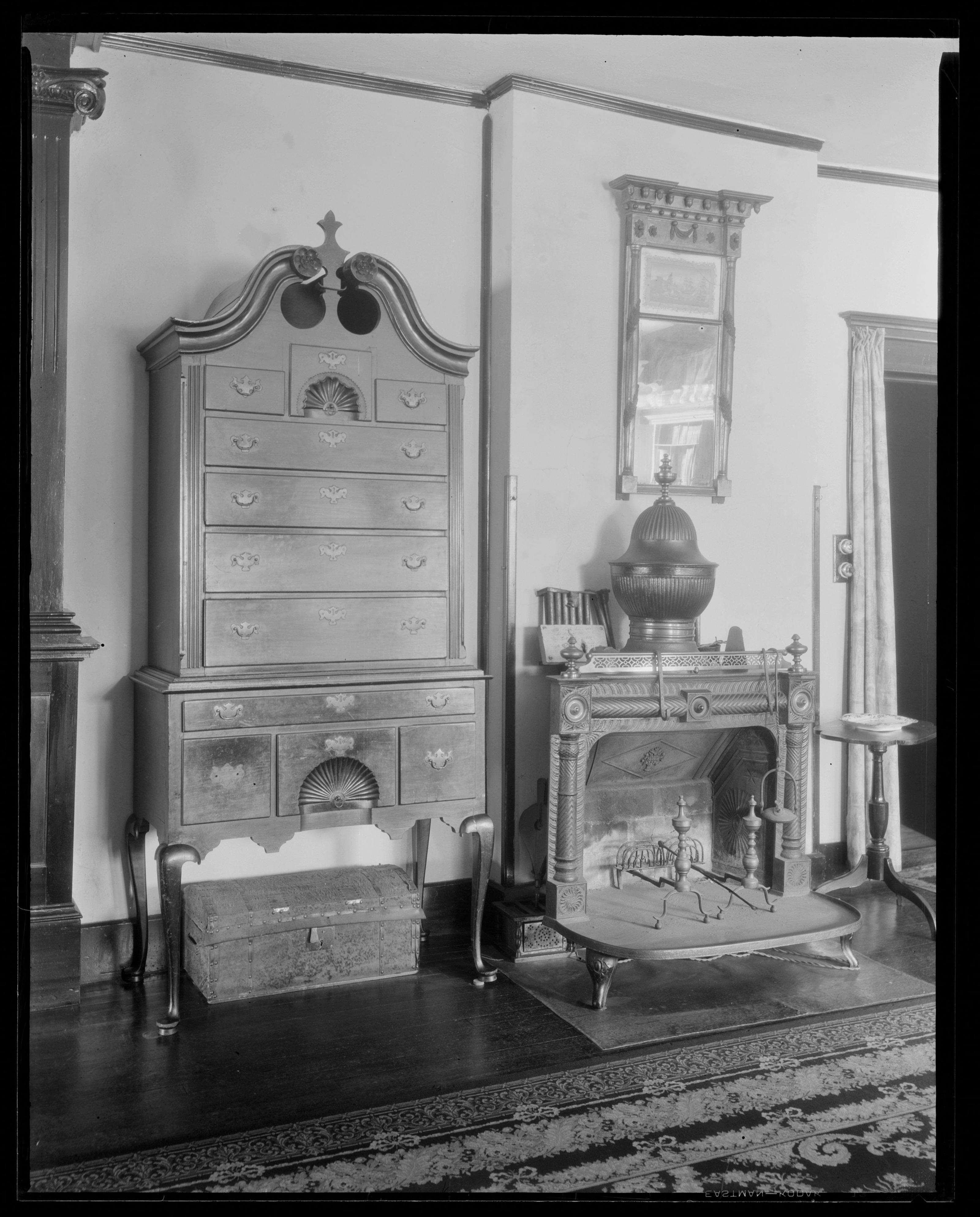
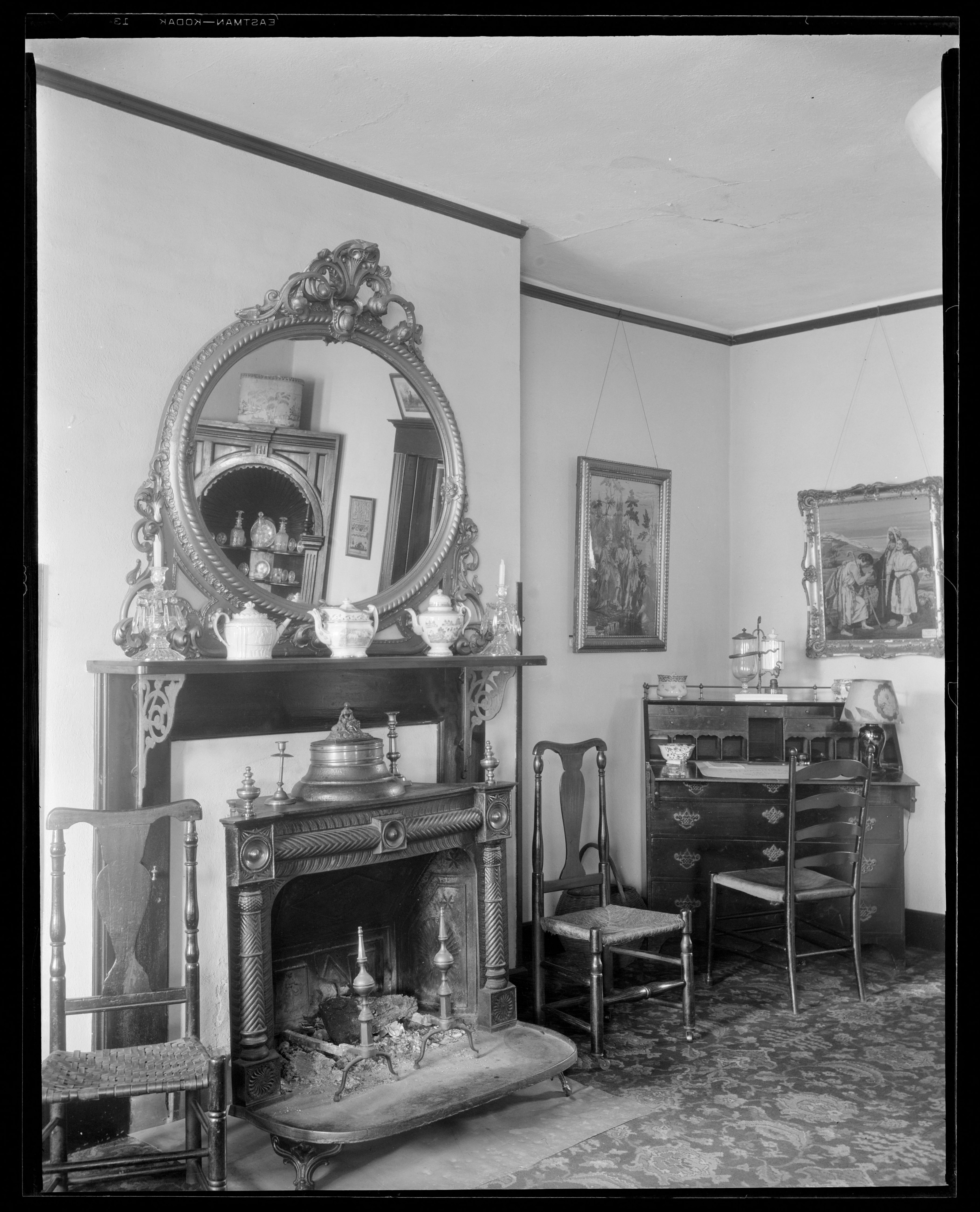
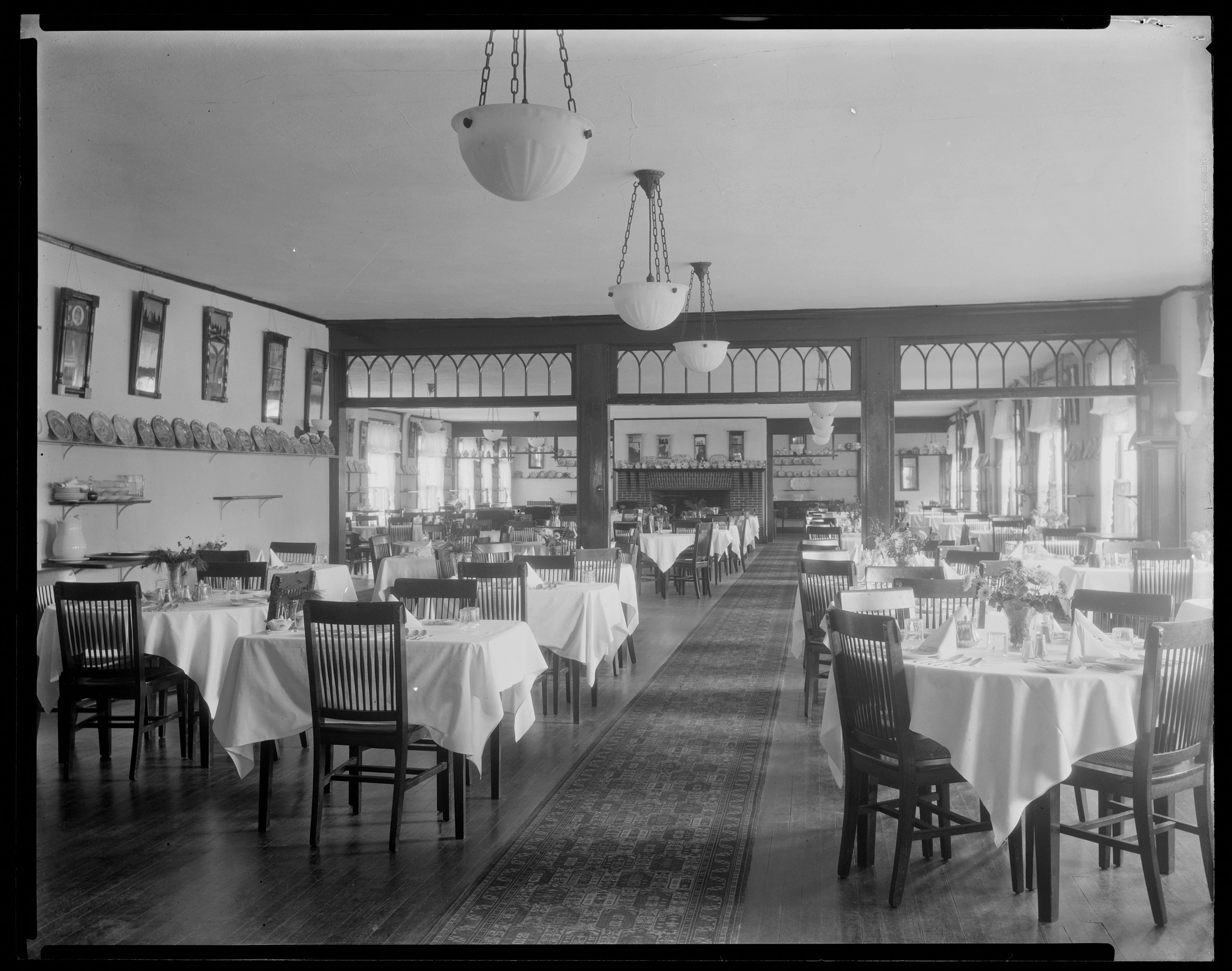
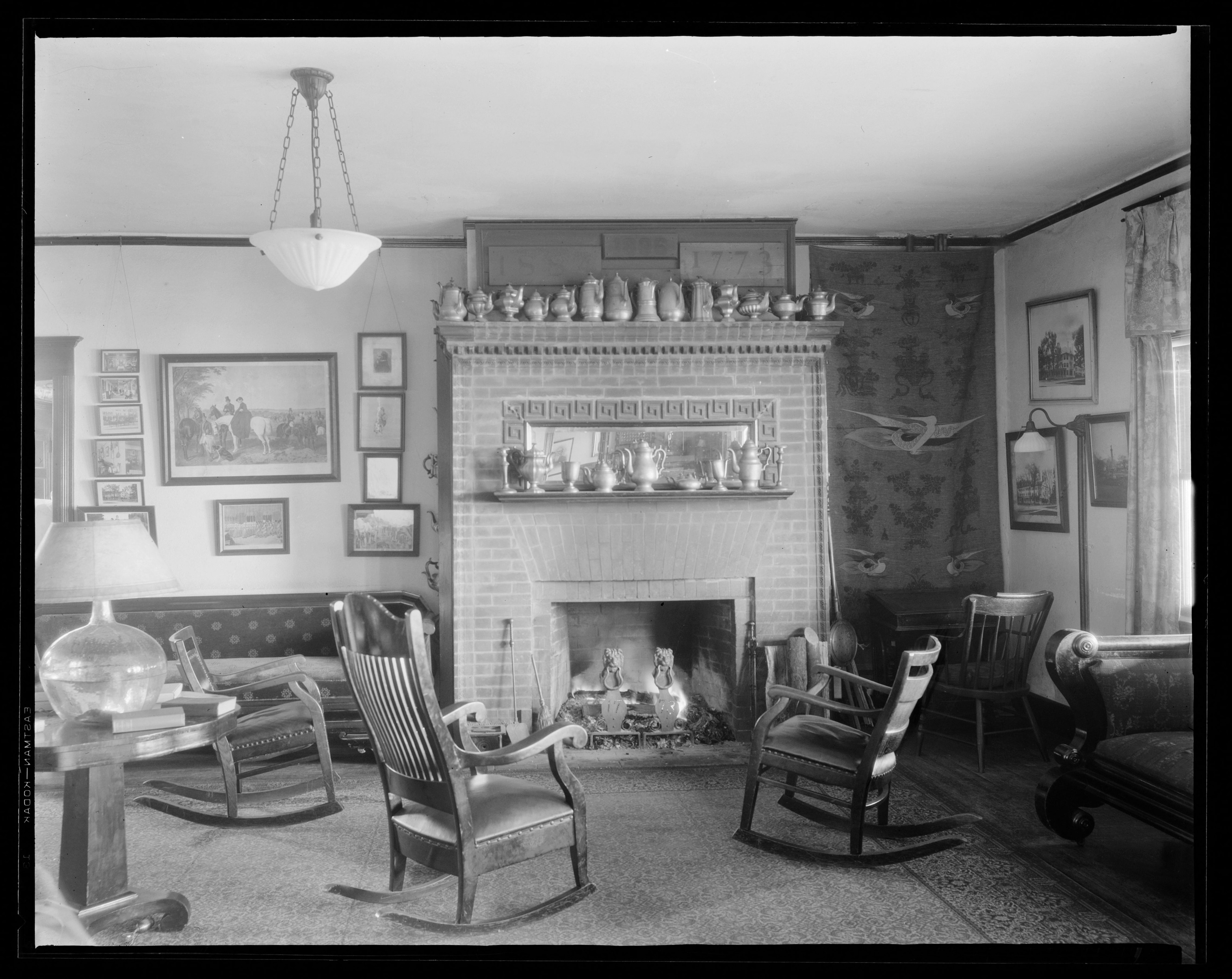
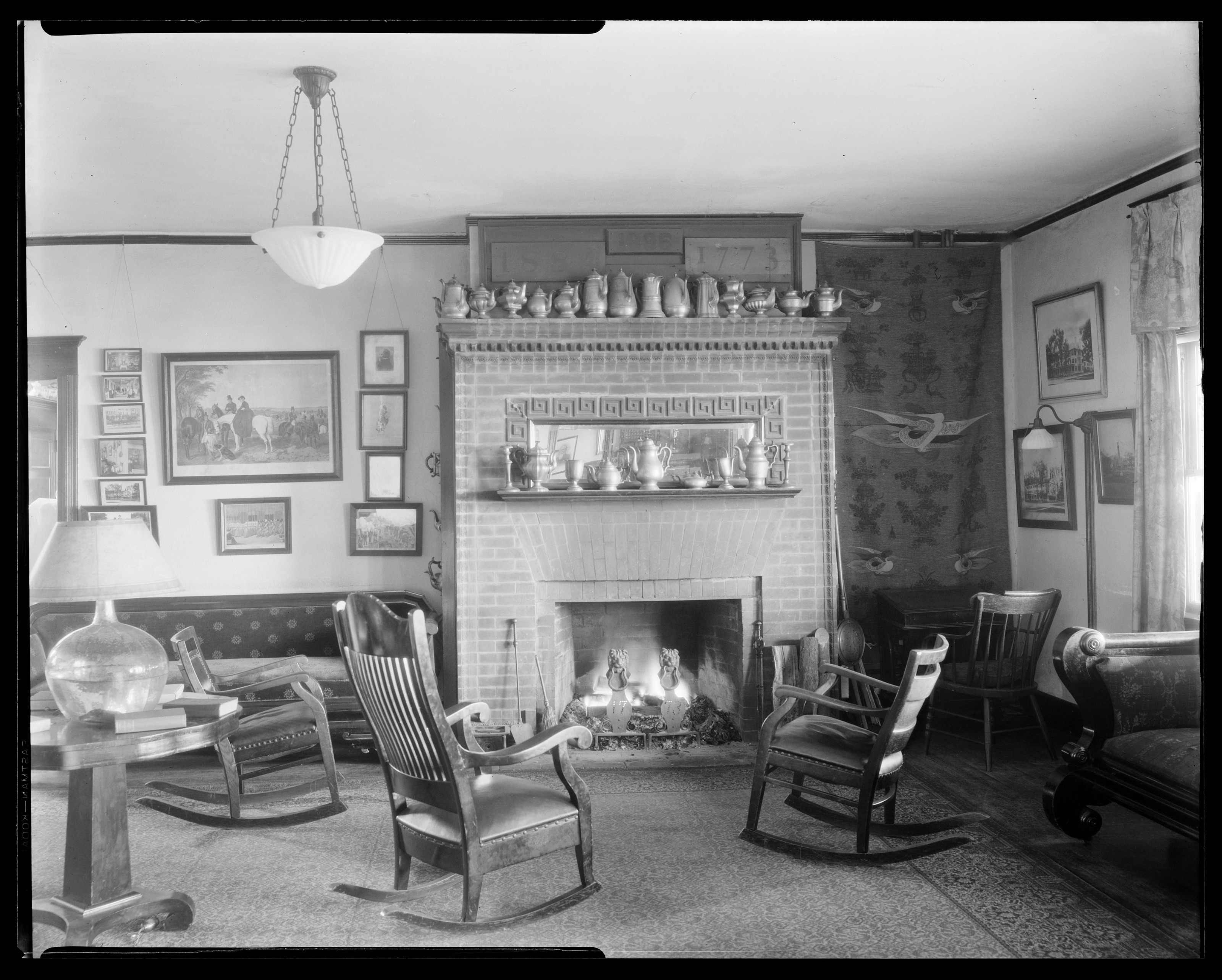
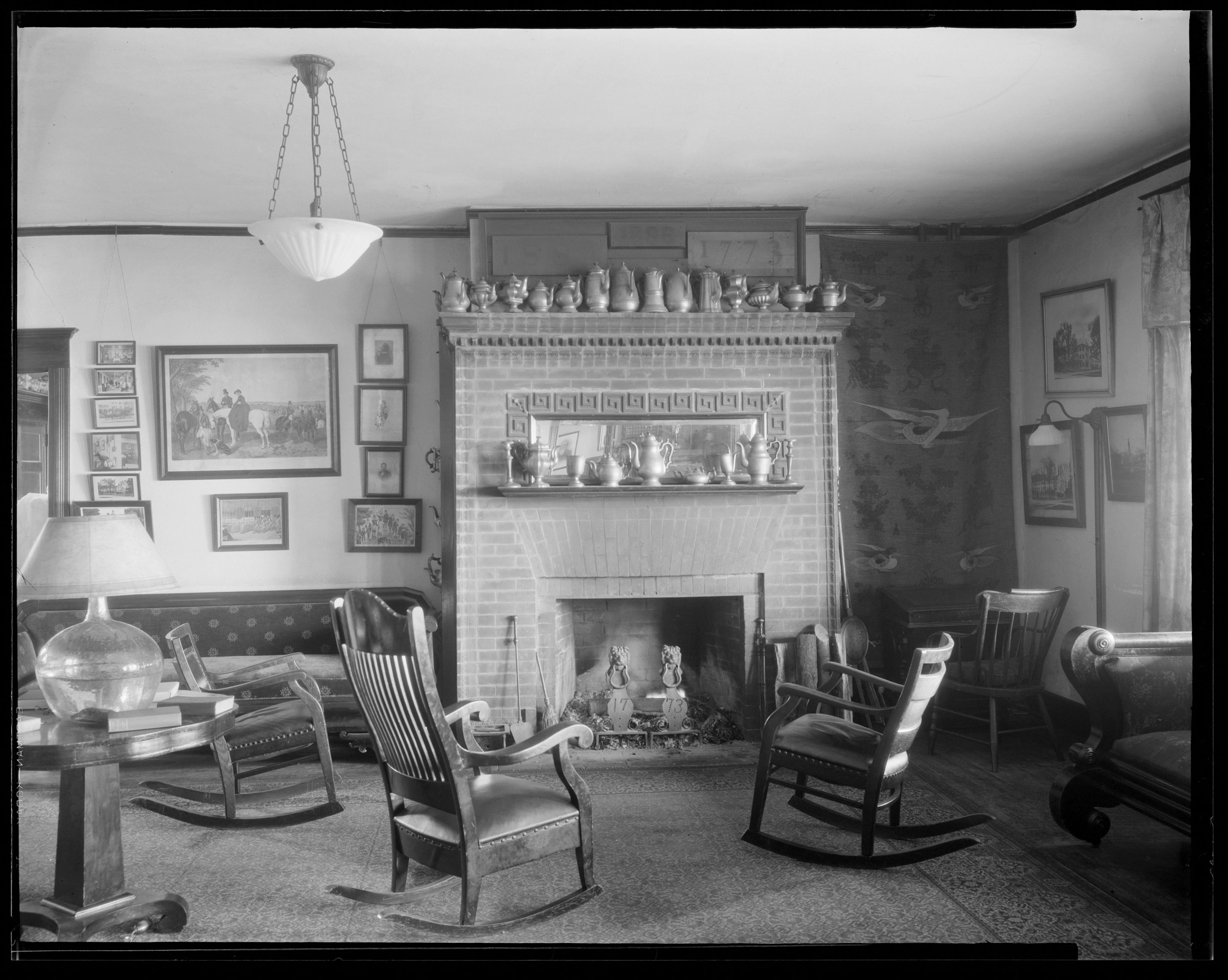
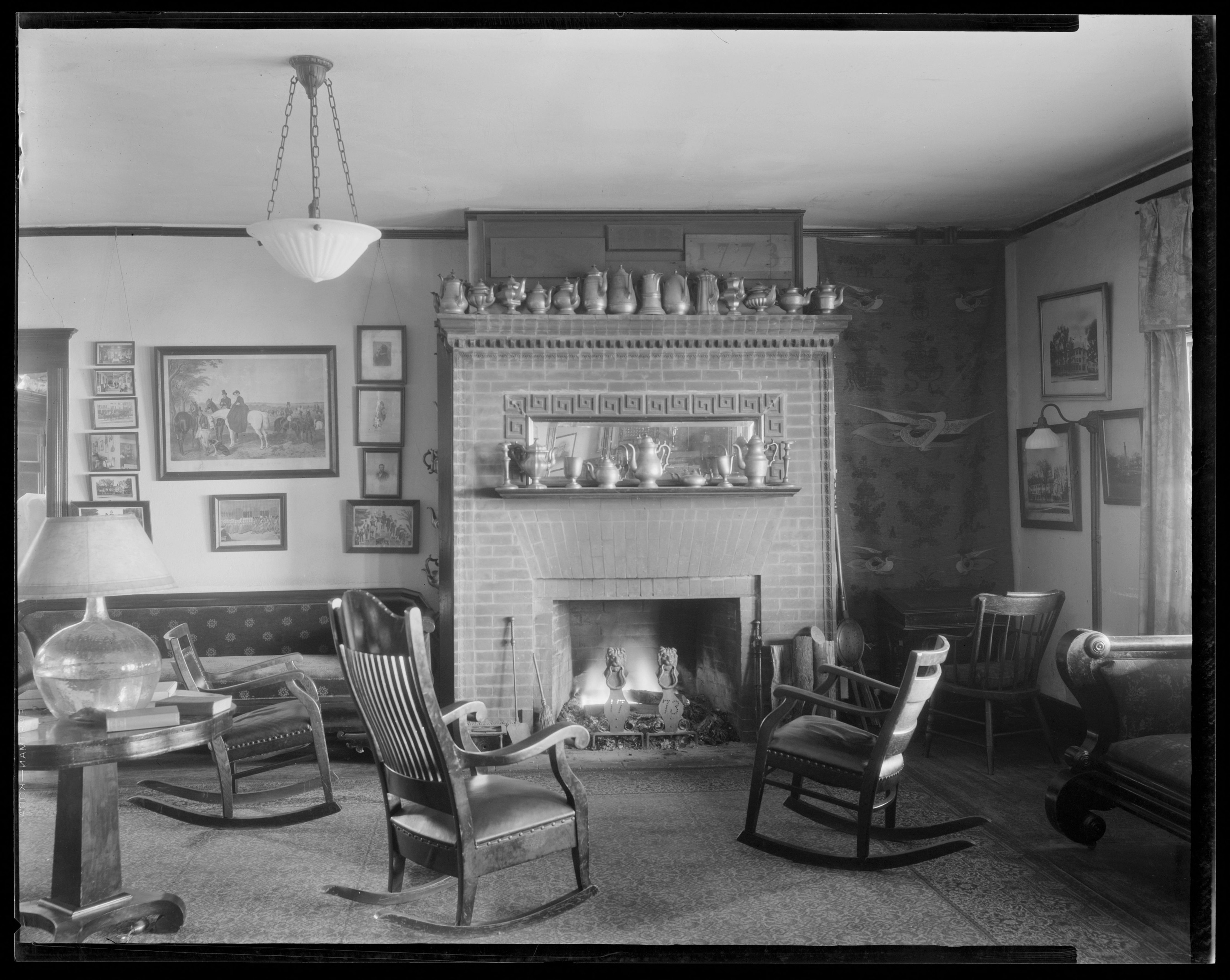
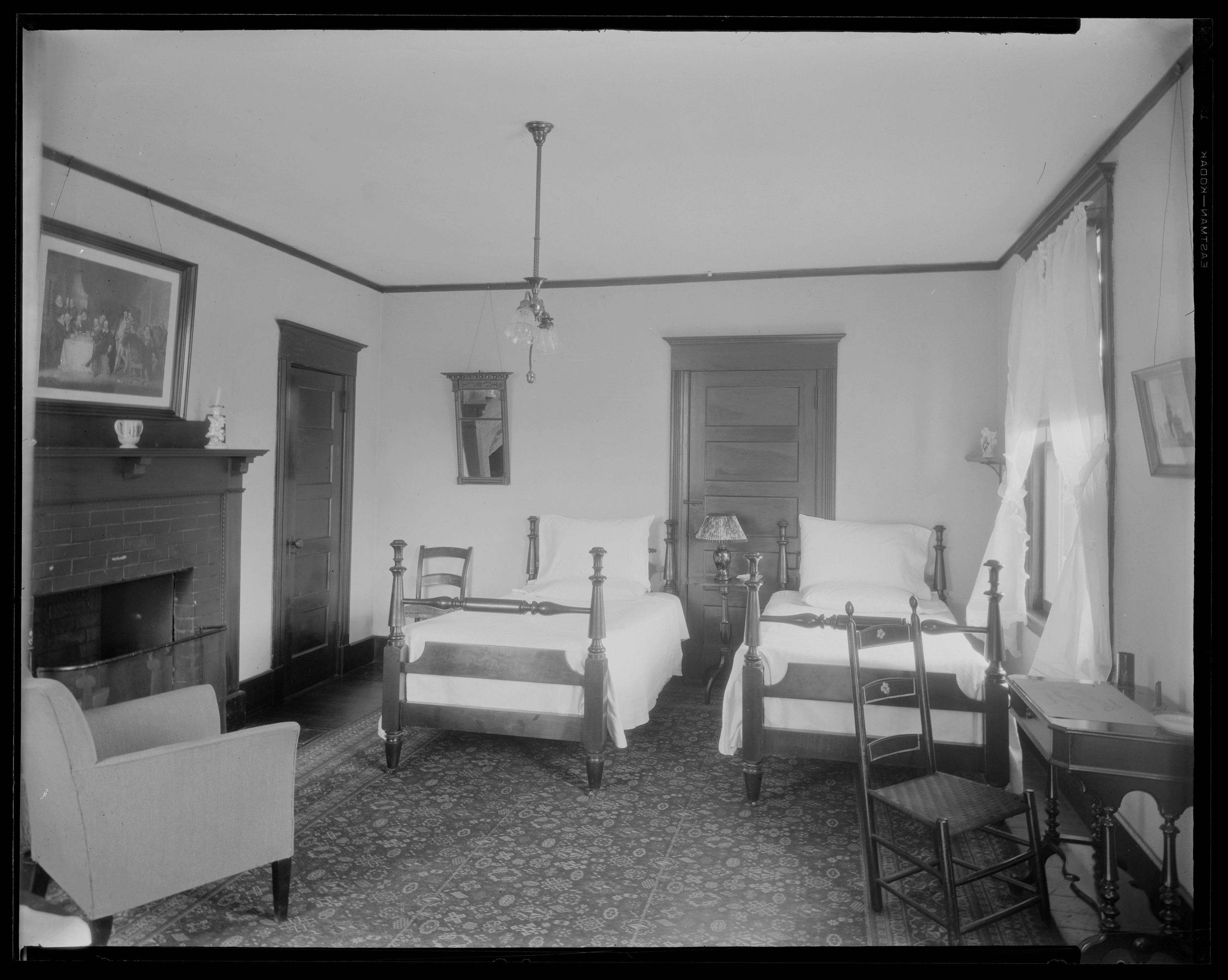
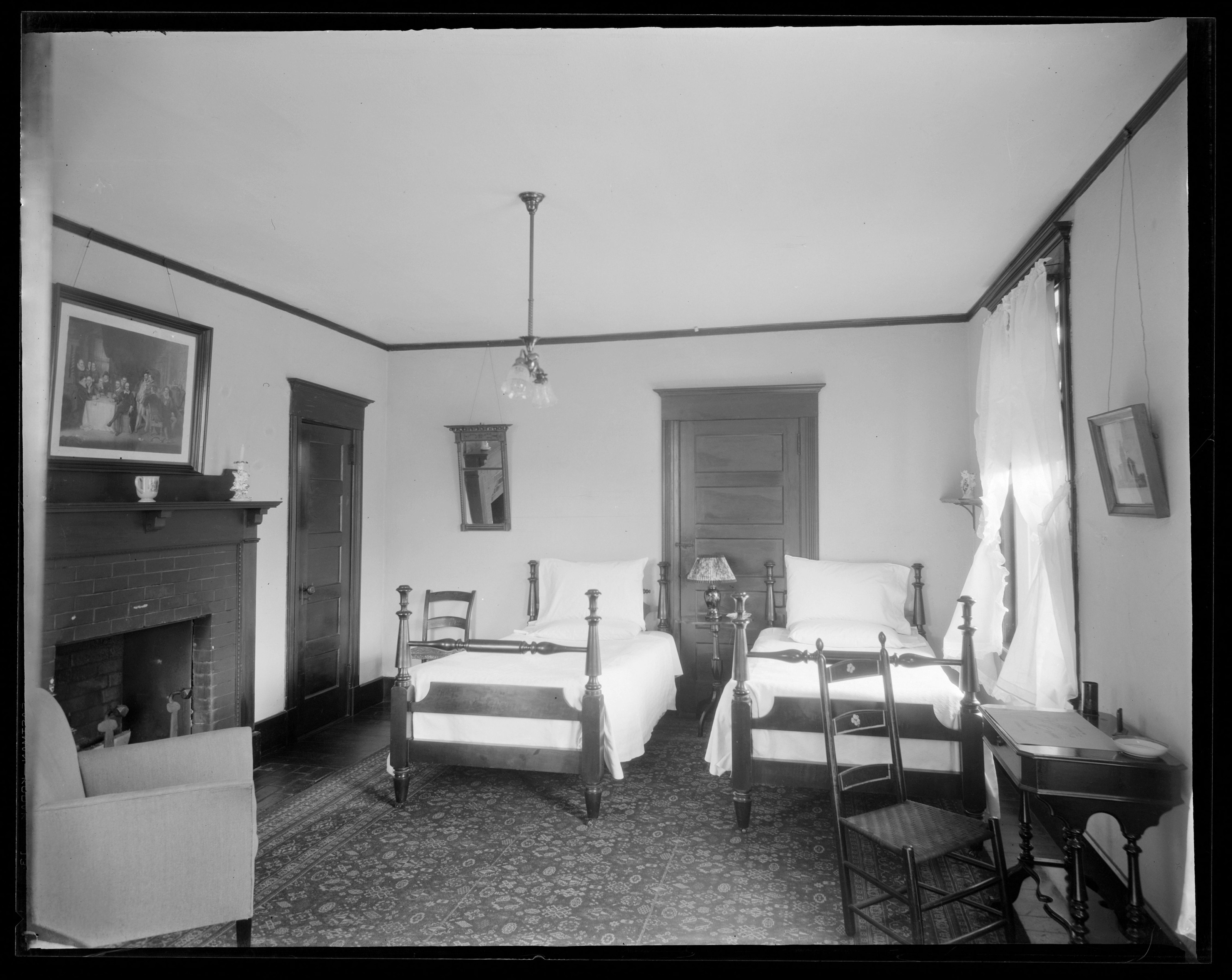
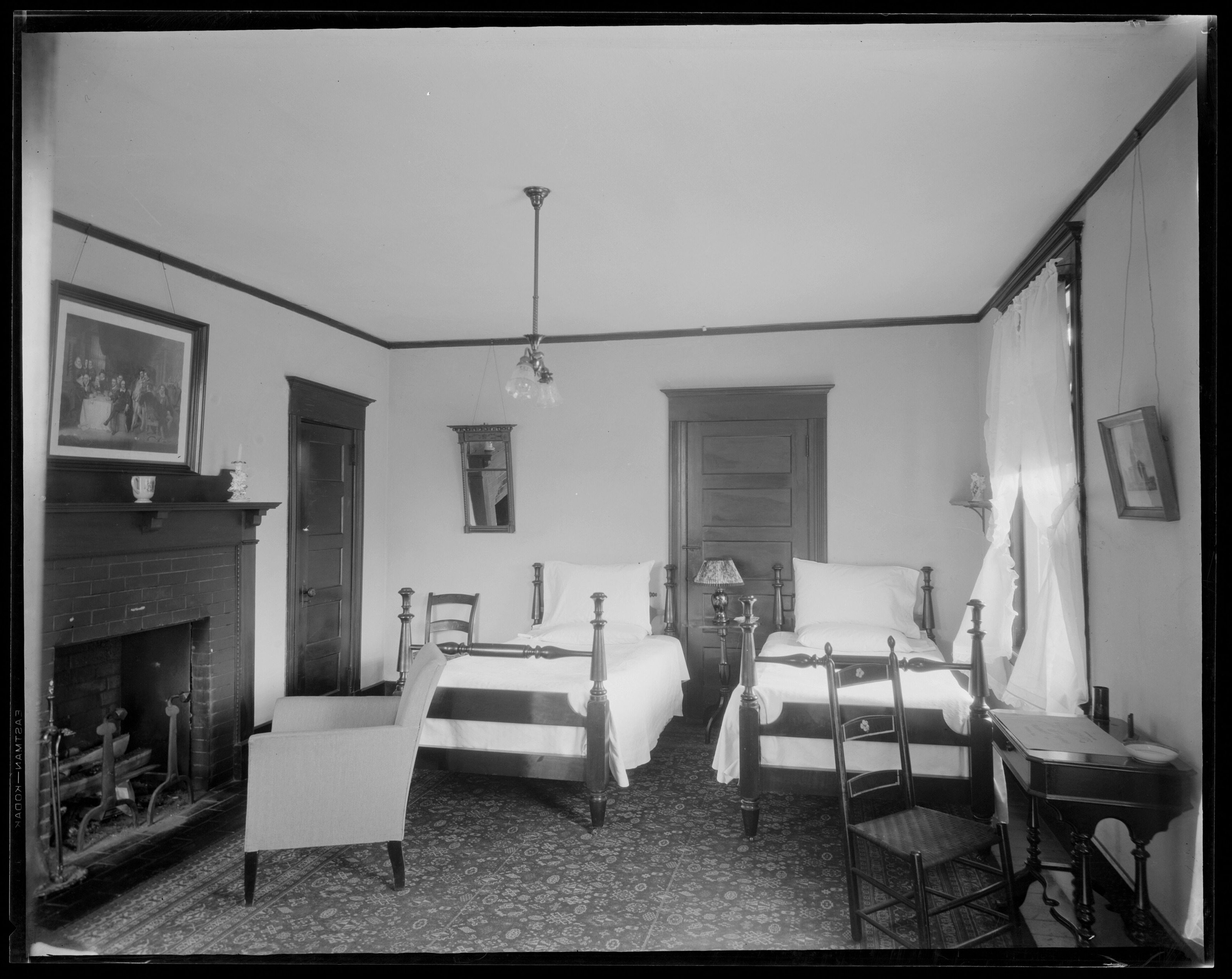
Between about 1925 and 1933 Edwin Hale Lincoln photographed the inn inside and out: three exteriors and twenty-four rooms, every title supplied by the Lenox Library’s cataloguer. They are all below. They are the rooms Mrs. Plumb’s obituary describes — a house in which a collection “is housed” — shelves of teapots and tea kettles floor to ceiling, rows of plates along every wall, tall clocks, decanters, mirrors. Whether the pieces in the photographs are hers, a decade after her death, is not recorded.
Sources
The fire and the rebuilding, all read in the Library of Congress’s Chronicling America: New-York Tribune, 1 September 1896, page 1, and 18 October 1896, page 18; Connecticut Western News, 3 September 1896, page 3, 17 September 1896, page 3, and 11 February 1897, page 2; Bridgeton Pioneer, 3 September 1896, page 7; Springfield Weekly Republican, 23 October 1896, page 12. Quotations are from the newspapers’ machine-read text, with obvious misreadings corrected. Mrs. Plumb’s death, estate and will: Springfield Weekly Republican, 2 March 1916, page 11, and 9 March 1916, page 14. The H. Heaton letter: Springfield Weekly Republican, 1 July 1904, page 1. The early inn: Clark W. Bryan, The Book of Berkshire (1886), pages 59–60, and the 1890 edition; Sarah Cabot Sedgwick and Christina Sedgwick Marquand, Stockbridge 1739–1939: A Chronicle (1939), pages 100, 258 and 290, and its note on page 156 for the Treadway house. Directory lines are quoted as printed from the 1874, 1923–25 and 1926 volumes reproduced on this site. Atlas of Berkshire County, Massachusetts, Barnes & Farnham, 1904. Boston Public Library copy, via Digital Commonwealth. No known copyright restrictions. Glimpses of Stockbridge and Vicinity, E. A. Benjamin, Stockbridge, undated; University of Massachusetts Amherst copy at the Internet Archive, catalogued as 1900. Edwin Hale Lincoln. Lenox Library Association, via Digital Commonwealth. No known copyright restrictions. Titles are quoted as catalogued. Disagreements left standing: the founder (Silas Pepoon, or Anna and Silas Bingham); the year of the first house (1773 or 1774); when the name became the Stockbridge House (about 1812, or 1846); who bought in 1862 (Henry L. Plumb, or H. Heaton); the hour, cause and extent of the fire, the number of guests and the insurance; whether Mrs. Plumb’s collection was saved or injured; the architect of 1897 (H. Neill Wilson in three papers of 1896–97, Harry E. Weeks in one account of 2020); and whose nephew Allen T. Treadway was. Stanley Turkel’s history of the inn (Hotel-Online, 2019) gives Mrs. Plumb as “Mert,” which her will confirms. No Olmsted job is recorded for the inn. One item in the Olmsted file for the Stockbridge village improvements is a tourist map issued “Compliments of Red Lion Inn–Heaton Hall, Allen Treadway, Prop.”